In many dioceses today, faithful lay Catholics see real needs. Parish life is stretched thin. Vocations are fewer. Administrative burdens grow heavier. Cultural pressures intensify. It is natural, especially for competent professionals, to see problems and immediately think of solutions. The temptation then arises to approach the bishop with advice, critiques, or strong opinions about what should be done. But there is a better way. One that is rooted in humility, communion, and authentic co-responsibility. Do not tell your bishop what to do. Offer to help.
Understanding the Bishop’s Burden
A bishop carries a weight few truly grasp. He is responsible for teaching, sanctifying, and governing an entire local Church (The burden is even greater for the Bishop of Rome). He must be pastor, father, judge, administrator, and evangelist at the same time. He answers not only to the faithful but ultimately to God Himself.
From a Catholic perspective, this matters deeply. The bishop is not a CEO hired to execute our ideas. He is a successor of the Apostles. When we approach him as if he were a manager who needs our direction, we subtly undermine the nature of episcopal authority and communion within the Church. Respecting that office does not mean passive silence. It means choosing the right posture.
From Criticism to Communion
Many lay leaders unintentionally approach bishops from a stance of frustration. They lead with what is wrong. What is missing. What should change. Even when concerns are valid, this approach often closes doors rather than opens them.
A different posture changes everything. Instead of beginning with demands or directives, begin with availability. Instead of saying, You should do this, say, I see this need and I am willing to help carry it. This shift reflects a Catholic understanding of the Church as a body. Each member has a role. The laity are not spectators. But neither are they rivals to clerical leadership. We are collaborators in the same mission.
The Lay Vocation Is Real Authority
Lay professionals often underestimate the authority they already possess. Not sacramental authority, but moral and practical authority born of competence, credibility, and faithful witness in the world.
Your experience in leadership, finance, communications, education, law, or healthcare is not incidental to your baptism. It is part of your vocation. When offered humbly, these gifts become a genuine service to the bishop and the diocese. Offering to help says, I trust your discernment. I respect your office. I am here to serve the mission entrusted to you. That is far more powerful than unsolicited advice.
What Offering Help Actually Looks Like
Offering help is concrete. It is not vague enthusiasm or abstract ideas. It is specific and accountable. It may look like volunteering expertise for a diocesan initiative. Assisting a struggling parish with systems or training. Supporting seminarians through mentorship. Helping build networks of faithful lay leaders who can execute a vision once it is articulated.
Most importantly, it looks like patience. Bishops move at a different pace because they must. Trust grows over time. When a bishop sees lay people who are faithful, discreet, competent, and obedient to the Church, he begins to rely on them. That trust is earned, not demanded.
A Spiritual Act of Humility
At its core, offering to help rather than telling what to do is a spiritual discipline. It requires dying to ego. It requires accepting that our ideas may not be chosen. It requires obedience, even when we believe we could do things better.
This is deeply Catholic. Christ Himself did not seize authority but poured Himself out in service. Lay leadership in the Church must reflect that same logic of the Cross. The Church does not need more armchair bishops. She needs mature lay Catholics who are ready to serve quietly, faithfully, and effectively.
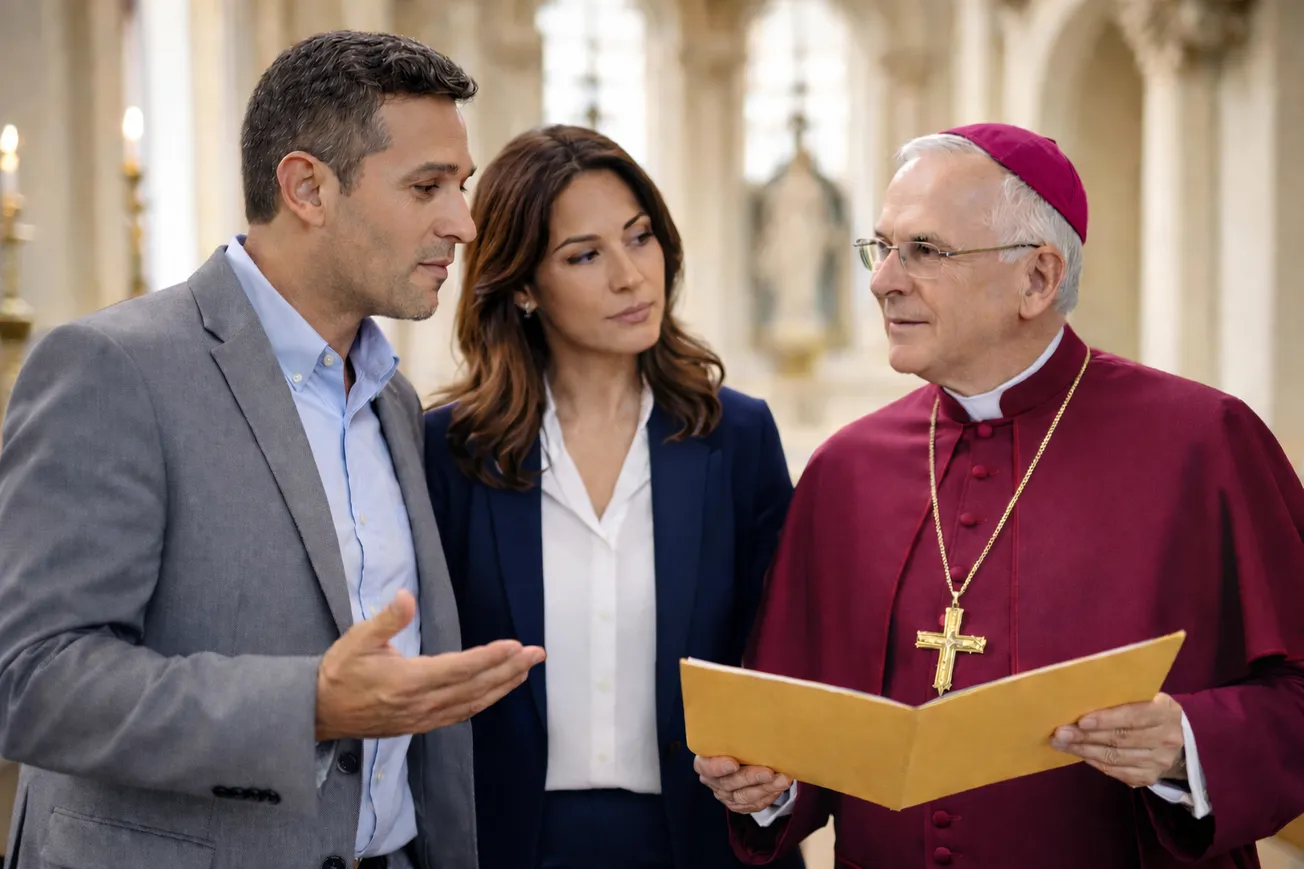
So the next time you see a need in your diocese, pause. Pray. Then approach your bishop not as a consultant with answers, but as a son or daughter ready to help carry the load. That posture may do more for the renewal of the Church than any brilliant strategy ever could.
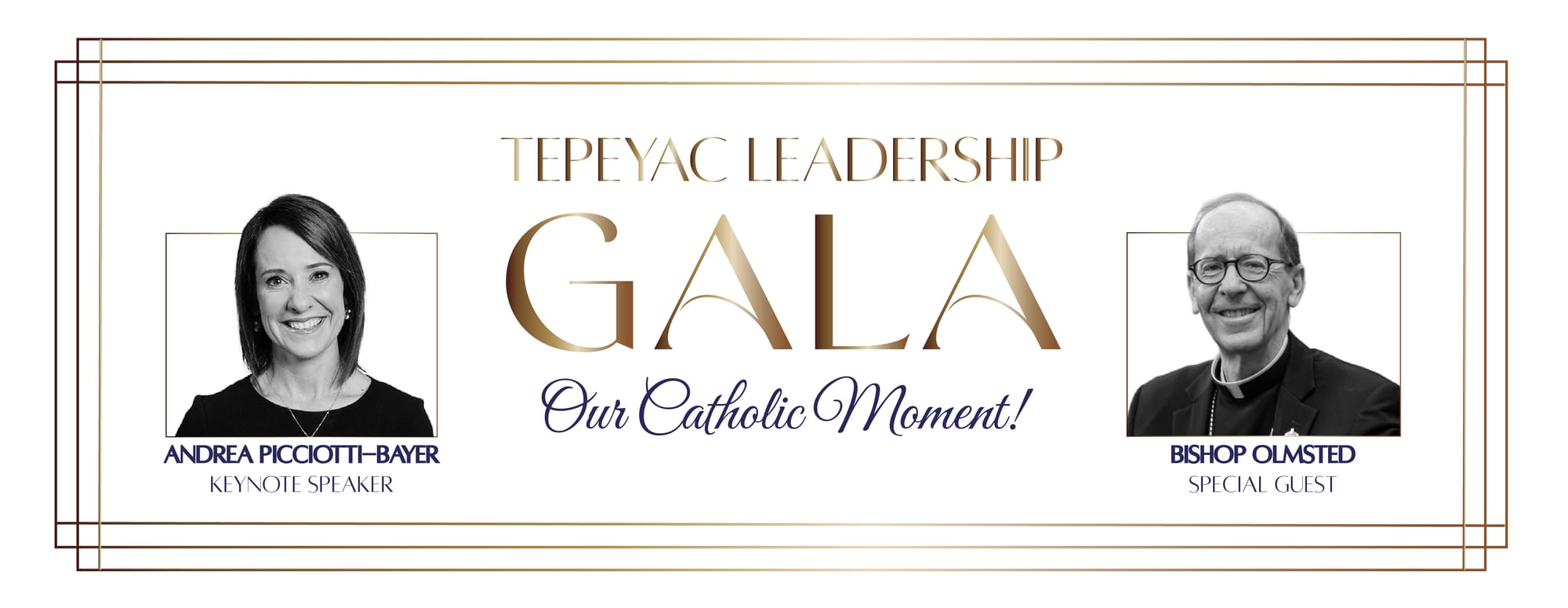
P.S. The countdown is on for the 2nd Tepeyac Leadership Gala, secure your tickets today by clicking below!