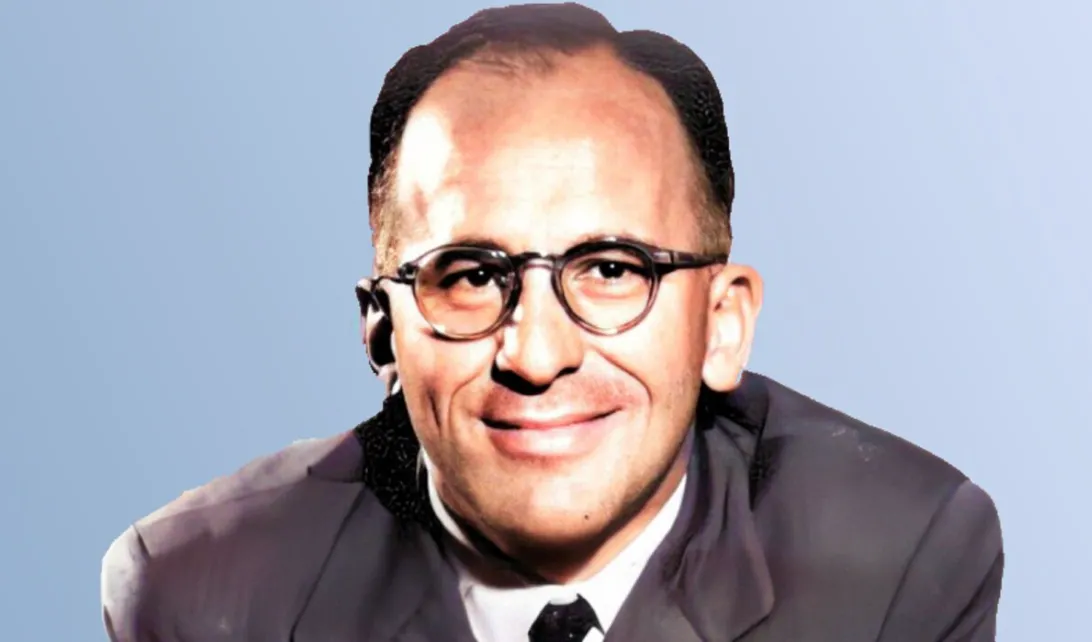
Enrique Shaw, an Argentine businessman whose cause for canonization is steadily advancing, is increasingly recognized as a powerful example of how faith can be integrated into the world of business and professional life. A devout Catholic, Shaw’s life and work exemplified a deep commitment to ethical business practices, social responsibility, and personal holiness, offering a timeless model for Catholic professionals seeking to navigate the complex intersection of faith and work.
Born in Buenos Aires in 1921, Enrique Shaw came from a family with a strong Catholic tradition. He was educated at the prestigious Colegio San José and later pursued a career in business. Shaw quickly rose through the ranks in the corporate world, eventually becoming the general manager of the family-owned textile company, Sociedad Anónima de la Industria Argentina (S.A.I.A.). Under his leadership, the company thrived, but Shaw’s vision extended far beyond profit margins. He was driven by a profound sense of Christian duty to those he worked with, treating employees as brothers and sisters in Christ rather than mere economic units.
Shaw’s business philosophy was deeply influenced by the teachings of the Church, particularly those of Pope Leo XIII in Rerum Novarum (1891), which emphasized the dignity of the worker and the moral obligations of employers. Shaw understood that business success was not an end in itself but a means to serve others. His model of management emphasized fairness, mutual respect, and a sense of community. He championed workers' rights, implemented social programs for employees, and cared for their well-being both inside and outside the workplace. In doing so, Shaw exemplified the idea that the workplace should be a place where profits, faith and human dignity can coexist.
Perhaps one of the most compelling aspects of Shaw’s legacy is his dedication to integrating his Catholic faith into his daily work life. In addition to being an active participant in the corporate world, Shaw also devoted himself to various charitable and spiritual endeavors. He worked tirelessly to promote Christian values in the business community. He was particularly committed to helping young professionals form a solid Christian foundation in their careers, offering mentorship and guidance to those seeking to live out their faith in the marketplace.
Shaw's cause for canonization, initiated in 2016, highlights the profound impact he had not only on the business world but also on the spiritual lives of those who knew him. His holiness was evident in his consistent efforts to balance success in business with a commitment to the greater good. Shaw died at the age of 42 from cancer, leaving behind a legacy of unwavering dedication to Christ and his fellow man. His example calls Catholic professionals to adopt a holistic view of success—one that integrates faith, family, and work as part of a unified Christian vocation.
For modern Catholic professionals, Enrique Shaw’s life is a testament to the possibility of living out one’s faith in the workplace. He demonstrates that it is not enough to compartmentalize one’s religious life from one’s professional life. Instead, his life urges businesspeople and professionals to bring their full selves to their work—infusing it with charity, justice, and respect for human dignity. In doing so, they not only contribute to the flourishing of those around them but also advance the Kingdom of God in the world of work.
Shaw’s advancing canonization process reminds Catholic professionals that they are called to be saints in the workplace, pursuing excellence not for personal glory, but for the greater glory of God and the good of others. As his cause continues to move forward, his example stands as a beacon for Catholics in all professions, showing that faith and work can go hand in hand in the pursuit of holiness.