Table of Contents
Excellence is a word that resonates deeply with professionals. It speaks of mastery, discipline, and the desire to offer one’s very best. Yet, in today’s fast paced and highly competitive culture, excellence is often confused with something far less healthy, perfectionism. For the Catholic professional, understanding the difference is not only helpful for personal well-being, but essential for living out one’s vocation with freedom and purpose.
The Desire to Do Things Well
At its core, excellence is rooted in a good and noble desire. It reflects a commitment to use one’s talents responsibly and to honor the work entrusted to us. In a Christian sense, excellence is closely tied to stewardship. Each task, whether significant or routine, becomes an opportunity to give glory to God through diligence, care, and attention.
Excellence does not demand flawlessness. Rather, it calls for faithfulness. A professional pursuing excellence asks, “Have I given my best effort with the time, resources, and knowledge I have?” This mindset allows for growth, learning, and even failure, without losing peace. It recognizes that human limitations are not obstacles to holiness, but the very place where grace can operate.
The Trap of Perfectionism
Perfectionism, by contrast, is often driven by fear. Fear of failure, fear of judgment, and sometimes fear of not being in control. It creates an interior pressure that turns work into a burden rather than a gift. While it may produce outwardly impressive results, it frequently comes at the cost of anxiety, rigidity, and dissatisfaction.
Unlike excellence, perfectionism is self-centered. It focuses excessively on outcomes, appearances, and recognition. Even small mistakes can feel catastrophic, leading to discouragement or paralysis. Over time, this mindset can erode both professional effectiveness and spiritual life, as it leaves little room for humility or trust in God.
Perfectionism also tends to distort priorities. When everything must be flawless, the relative importance of tasks becomes blurred. A minor detail can consume disproportionate energy, while more meaningful responsibilities are neglected. This not only reduces productivity but also undermines the broader mission of one’s work.
A Freedom Rooted in Truth
The Catholic tradition offers a liberating perspective. We are called to be faithful, not flawless. This distinction allows professionals to pursue excellence with joy rather than tension. It encourages a healthy detachment from results, recognizing that outcomes are not entirely within our control.
True excellence is marked by peace. It involves working diligently, but also knowing when to stop, when to delegate, and when to accept that something is “good enough.” This is not mediocrity. It is prudence. It reflects a clear understanding of limits and a trust that God can work even through our imperfections.
This freedom also fosters creativity and courage. When one is no longer paralyzed by the need to be perfect, it becomes easier to take initiative, to innovate, and to learn from mistakes. In this way, excellence becomes dynamic and life giving, rather than rigid and exhausting.
Practical Habits for the Professional
Cultivating excellence over perfectionism requires intentional habits. Setting clear priorities is essential. Not every task deserves the same level of attention, and discerning what matters most is a key professional skill.
Regular reflection can also help. Taking a few moments at the end of the day to review one’s work, not with harsh judgment but with honesty, allows for continuous improvement without falling into discouragement.
Finally, embracing humility is crucial. Acknowledging that we are not the ultimate authors of our success frees us from the need to control every detail. It opens the door to collaboration, growth, and reliance on God’s grace.
In a culture that often equates worth with performance, the Catholic professional is called to a different standard. Excellence, rightly understood, is not about achieving perfection, but about offering one’s best with integrity and trust. It is a path that leads not only to professional success, but to a deeper and more enduring peace.
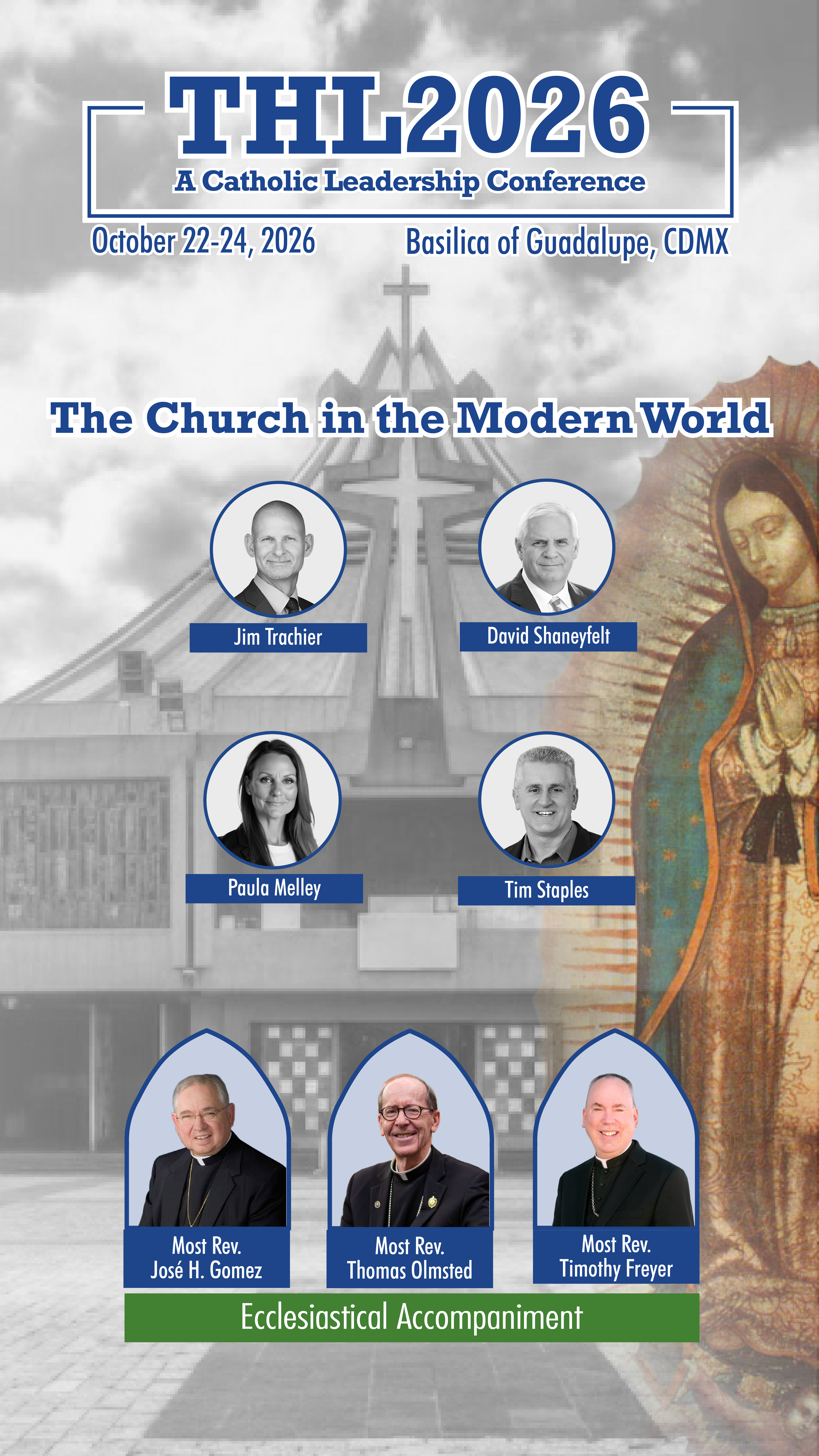
P.S. Discover the place where Our Lady of Guadalupe appeared to St. Juan Diego. See her image. And join Archbishop José Gómez , Bishop Thomas Olmsted and Bishop Timothy Freyer for The Hour of the Laity 2026 in Mexico City.