Table of Contents
For centuries, the Catholic Church has stood at the center of the most important cultural conversations, not as a passive observer, but as a moral guide. From the fall of empires to the rise of industrial society, Catholics have understood that faith does not withdraw from the world. It engages it, elevates it, and orders it toward the good. In our own time, as artificial intelligence reshapes the foundations of human life, it is not only natural that Catholics take a leading role in this conversation. It is necessary.
The Christian Duty to Shape Culture
The Christian ethos has never been one of retreat. It is incarnational. It enters the realities of the world and transforms them from within. This is precisely why Catholics must be present wherever the future of humanity is being decided. Technology is not neutral. It reflects the values of its creators, and if those values are not grounded in truth, the consequences can be profound.
The Church has already recognized this moment. The 2025 Vatican document Antiqua et nova warns against allowing artificial intelligence to become a substitute for human intelligence or even a substitute for God, insisting that technology must remain ordered toward the human person and his dignity. Antiqua et nova It highlights the risks of surveillance, manipulation, and the erosion of human freedom, while also acknowledging the potential of AI to serve authentic human development.
This is not merely theoretical. It is a call to action.
Catholics at the Heart of AI Ethics
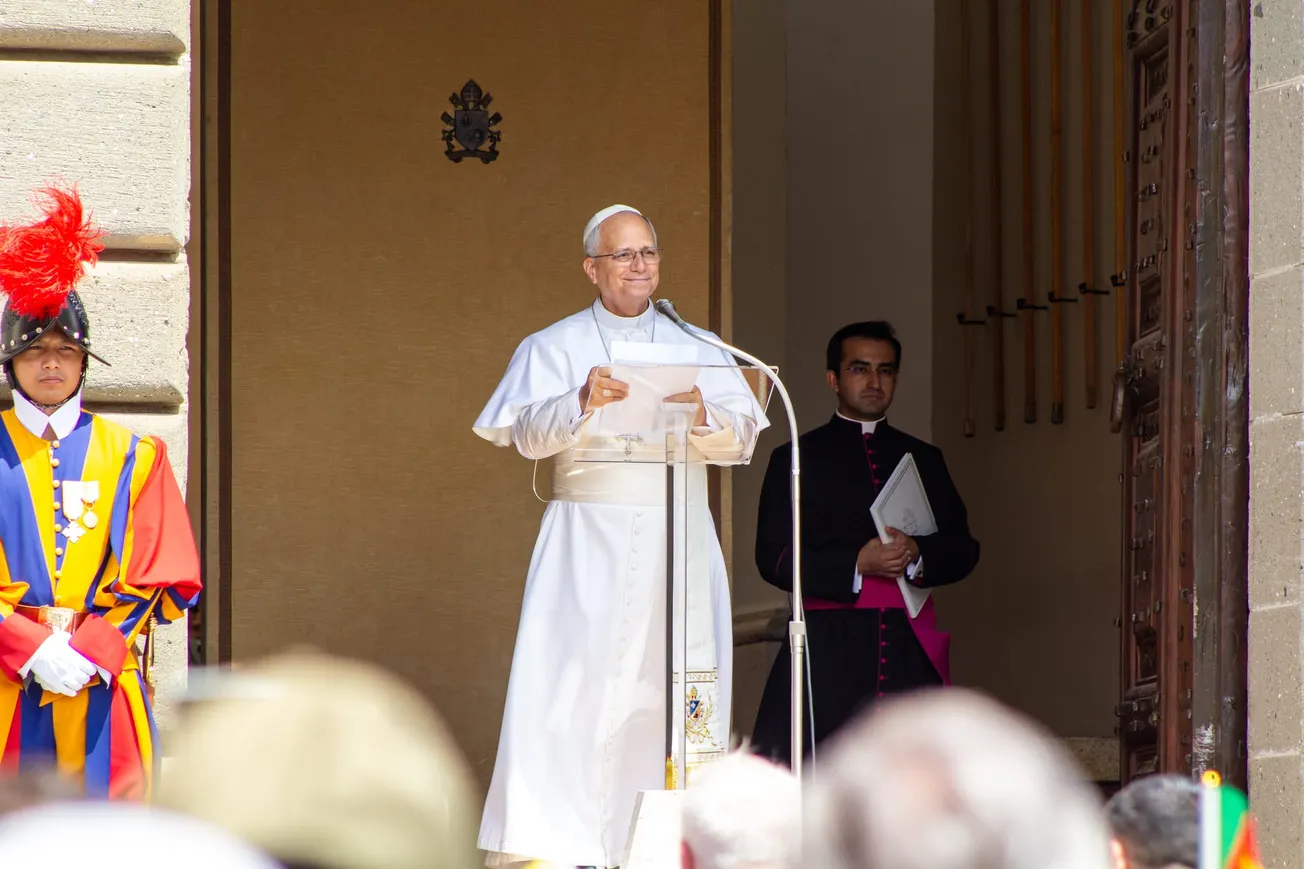
One of the clearest signs that Catholics are stepping into this responsibility is the surprising collaboration between the Church and leading AI companies. In a striking example, Father Brendan McGuire, a Catholic priest with a background in Silicon Valley, helped shape the ethical framework behind Anthropic’s AI system, known as the Claude Constitution.
This is not symbolic participation. It is substantive leadership.
McGuire brought theological insight into how artificial intelligence might be guided toward what he described as a form of “discernment.” His contribution reflects a deeply Catholic intuition. Human beings are formed morally through experience, correction, and grace. In an analogous way, AI systems can be shaped, though imperfectly, to reflect moral priorities rather than merely mirror human chaos.
At the same time, Catholic ethicists have taken public stands on the most pressing AI debates. When Anthropic refused to allow its systems to be used for autonomous weapons or mass surveillance, Catholic theologians supported the decision, arguing that such uses violate human dignity and remove essential moral responsibility from human hands.
This is precisely what Catholic leadership looks like. Not domination, but illumination. Not control, but conscience.
A Moral Framework for the Age of Machines
Artificial intelligence forces humanity to confront fundamental questions. What is a person. What is intelligence. What is freedom. These are not merely technical questions. They are theological ones.
Catholic thinkers such as Paolo Benanti have emerged as key voices in this space, advising the Vatican and engaging global institutions on how to ensure that algorithms respect human dignity. His work reflects a broader movement within the Church to ensure that technological progress remains anchored in moral truth.
The danger is clear. If AI development is guided solely by efficiency, profit, or power, it risks becoming a force that diminishes the human person. The Church insists on a different path. Technology must serve the person, never replace him. It must enhance freedom, not erode it.
This is why Catholic participation is not optional. It is essential.
Building Catholic AI for the Future
Beyond influencing existing systems, Catholics are also building new ones. One notable example is Magisterium AI, a platform designed to provide answers grounded in Scripture, Tradition, and the teaching authority of the Church. Drawing from tens of thousands of official Church documents, it aims to offer clarity, fidelity, and charity in a digital age often marked by confusion.
Unlike many AI systems designed to maximize engagement, Magisterium AI is intentionally oriented toward truth and human flourishing. Its goal is not to keep users endlessly interacting, but to provide reliable answers that lead them back to real life, real relationships, and ultimately, to God.
This represents a profound shift. Catholics are no longer merely reacting to technology. They are shaping it.
The Path Forward
The rise of artificial intelligence is often described as a new industrial revolution. If that is true, then Catholics must respond as they have in every age, by bringing the light of the Gospel into the heart of the transformation.
This means more Catholic engineers, more Catholic entrepreneurs, more Catholic ethicists, and more Catholic leaders willing to step into spaces that may seem unfamiliar or even uncomfortable. It means refusing to concede the future to purely secular visions of humanity.
Above all, it means remembering that the question at the center of AI is not what machines can do, but what human beings are for.
The Church has always answered that question with clarity. The human person is made for truth, for love, and for communion with God. Any technology worthy of humanity must serve that destiny. Today, Catholic leadership in artificial intelligence is not an intrusion into the cultural conversation. It is the fulfillment of a responsibility that has always belonged to the Church.
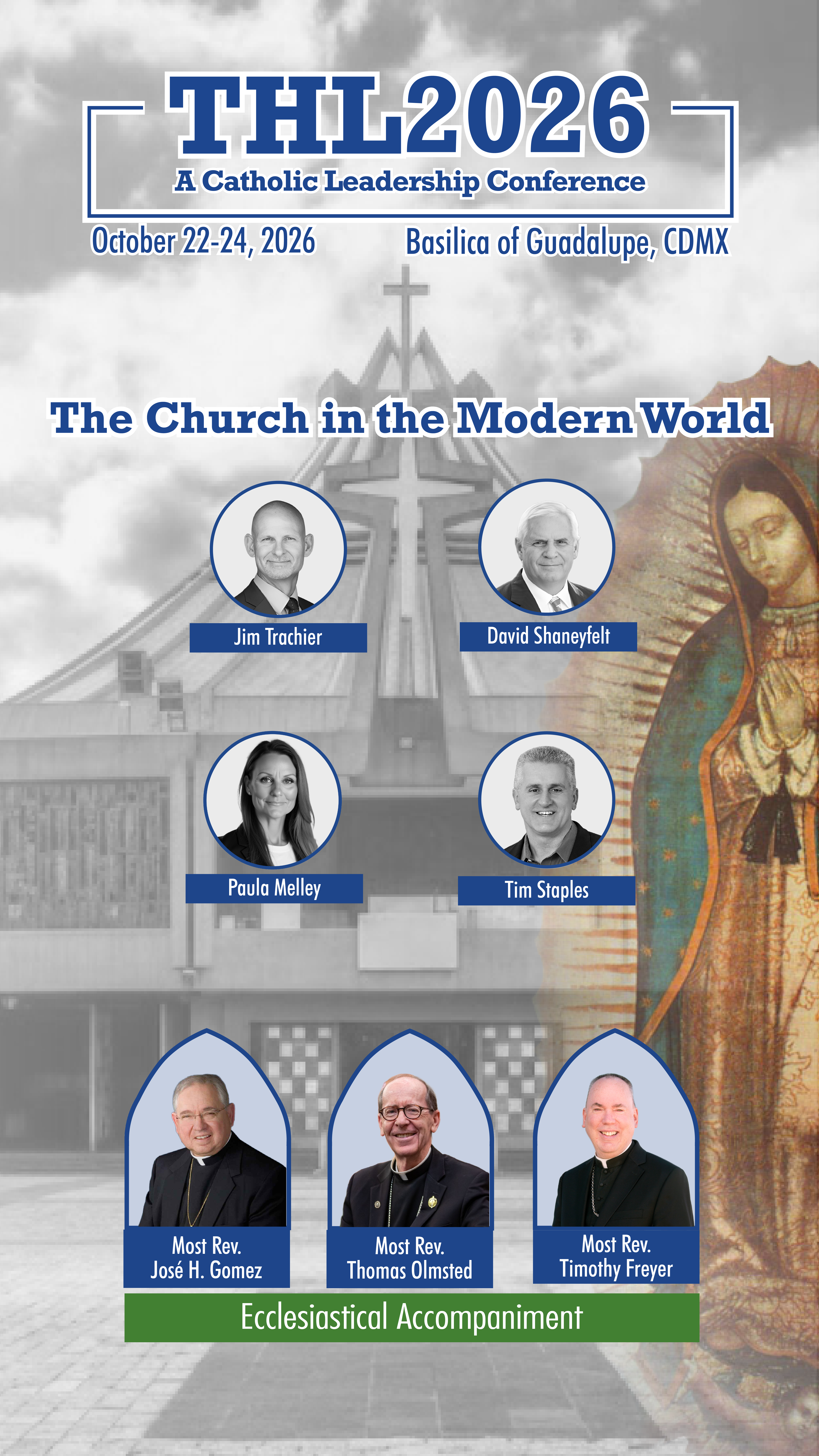
P.S. Discover the place where Our Lady of Guadalupe appeared to St. Juan Diego. See her image. And join Archbishop José Gómez , Bishop Thomas Olmsted and Bishop Timothy Freyer for The Hour of the Laity 2026 in Mexico City.