In a culture of constant consumption, the Catholic tradition of fasting stands as a quiet but powerful witness. It reminds us that we are not ruled by our appetites, that the body and soul are intimately connected, and that love often requires sacrifice. Far from being a mere dietary restriction, fasting in the Catholic Church is a spiritual discipline rooted in Scripture, shaped by centuries of practice, and ordered toward deeper union with God.
Biblical and Historical Roots
Fasting is woven throughout salvation history. In the Old Testament, Moses fasted before receiving the Law, and the prophets called the people to fast in repentance. Most importantly, Our Lord Himself fasted for forty days in the desert before beginning His public ministry, as recounted in the Gospels. The Church has always seen this as the model for Christian fasting.
From the earliest centuries, Christians fasted regularly. The Didache, a first century Christian text, speaks of set days of fasting. By the fourth century, Lent was firmly established as a forty day period of preparation for Easter, marked by prayer, almsgiving, and fasting. In the Middle Ages, fasting regulations were rigorous, often excluding not only meat but also dairy and eggs for extended periods. Over time, disciplines were adjusted, but the underlying purpose remained unchanged: conversion of heart.
The current norms of fasting and abstinence in the Latin Church are outlined in the Code of Canon Law and by local episcopal conferences. Ash Wednesday and Good Friday are universal days of fasting and abstinence. Fridays throughout the year remain penitential, with abstinence from meat required on the Fridays of Lent.
What the Church Asks Today
The Church defines fasting as limiting oneself to one full meal and two smaller meals that together do not equal a full meal. It binds Catholics from ages eighteen to fifty nine, with appropriate exceptions for health or serious reasons. Abstinence from meat binds those fourteen and older.
While these minimum requirements are modest compared to earlier centuries, they are not meant to be ceilings but foundations. Many faithful Catholics freely choose additional forms of fasting during Lent or other seasons, such as giving up particular foods, beverages, or habits. The goal is not self punishment but intentional self denial for love of God.
The Spiritual Meaning of Fasting
Fasting is a bodily prayer. It expresses sorrow for sin, solidarity with the poor, and longing for God. It teaches us that we do not live by bread alone. By voluntarily accepting hunger, we train the will and strengthen virtue. We learn to say no to ourselves in small matters, so that we may say yes to God in greater ones.
The Catechism of the Catholic Church links fasting closely with conversion and interior penance. True fasting is not merely external but must be accompanied by charity and justice. The prophet Isaiah warned against fasting that ignores the needs of others. Thus, the Church always pairs fasting with almsgiving. What we save through self denial can become a gift for someone in need.
Fasting also has a profound Eucharistic dimension. Physical hunger can sharpen our spiritual hunger for Christ in the Blessed Sacrament. The Eucharistic fast, observed before receiving Holy Communion, reminds us that this Bread is unlike any other.
Personal and Communal Benefits
Spiritually, fasting fosters humility, clarity, and detachment. It reveals our hidden dependencies and invites us to place our trust more fully in God. Many Catholics testify that fasting deepens their prayer and heightens their awareness of God’s presence.
There are also human benefits. Moderate fasting can cultivate discipline and gratitude. It helps us appreciate the gift of food rather than taking it for granted. For professionals accustomed to control and productivity, fasting can be a school of surrender. It teaches that fruitfulness ultimately depends on grace, not effort alone.
Communally, shared days of fasting unite the faithful across the world. When Catholics fast on Ash Wednesday, whether in Rome, Lagos, Manila, or Chicago, they participate in a common act of repentance and hope. This shared discipline strengthens the bonds of the Body of Christ.
Fasting, then, is not an outdated burden but a living tradition. It is a path of freedom, a means of purification, and an act of love. In embracing the Church’s call to fast, the Catholic professional discovers that true strength is found not in constant indulgence, but in self mastery ordered toward God.
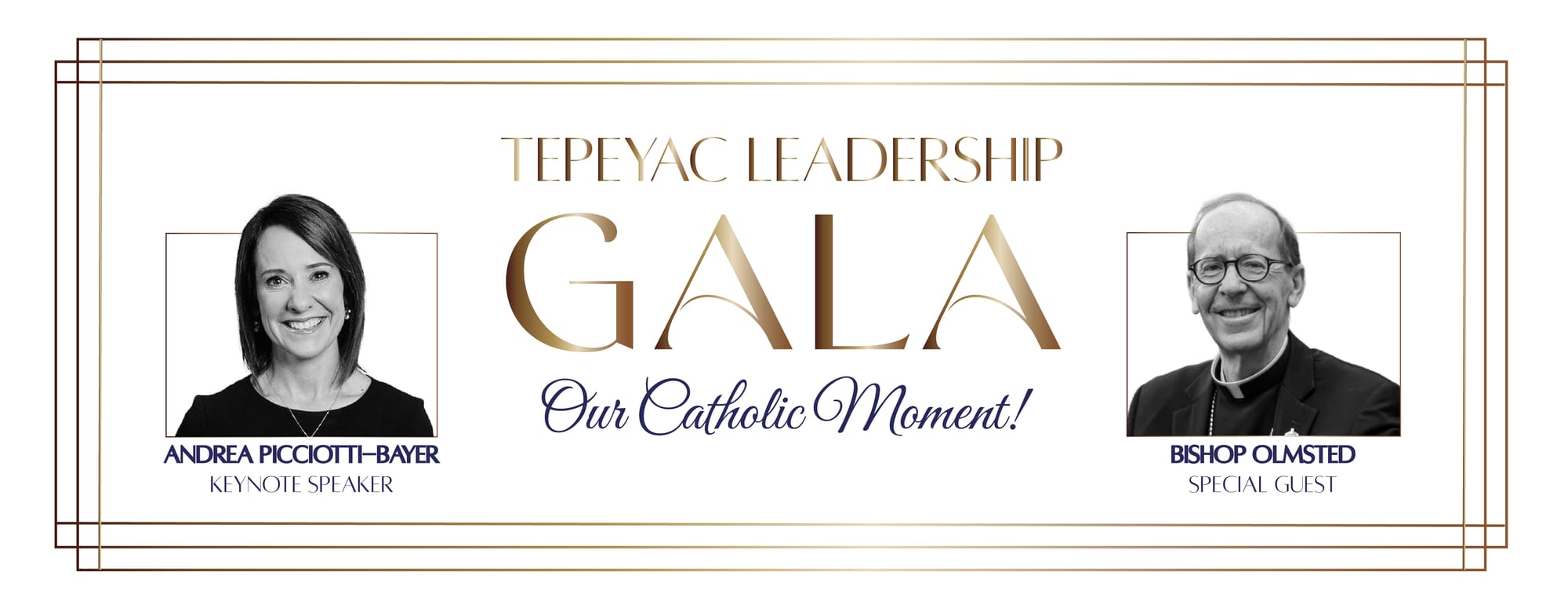
P.S. Last year, as guests arrived at the venue for the Tepeyac Leadership Gala, we asked them a simple but important question. Their answers were thoughtful, candid, and deeply hopeful for the future of our Church and our society. In the video below, you will see a compilation of their responses.