Table of Contents
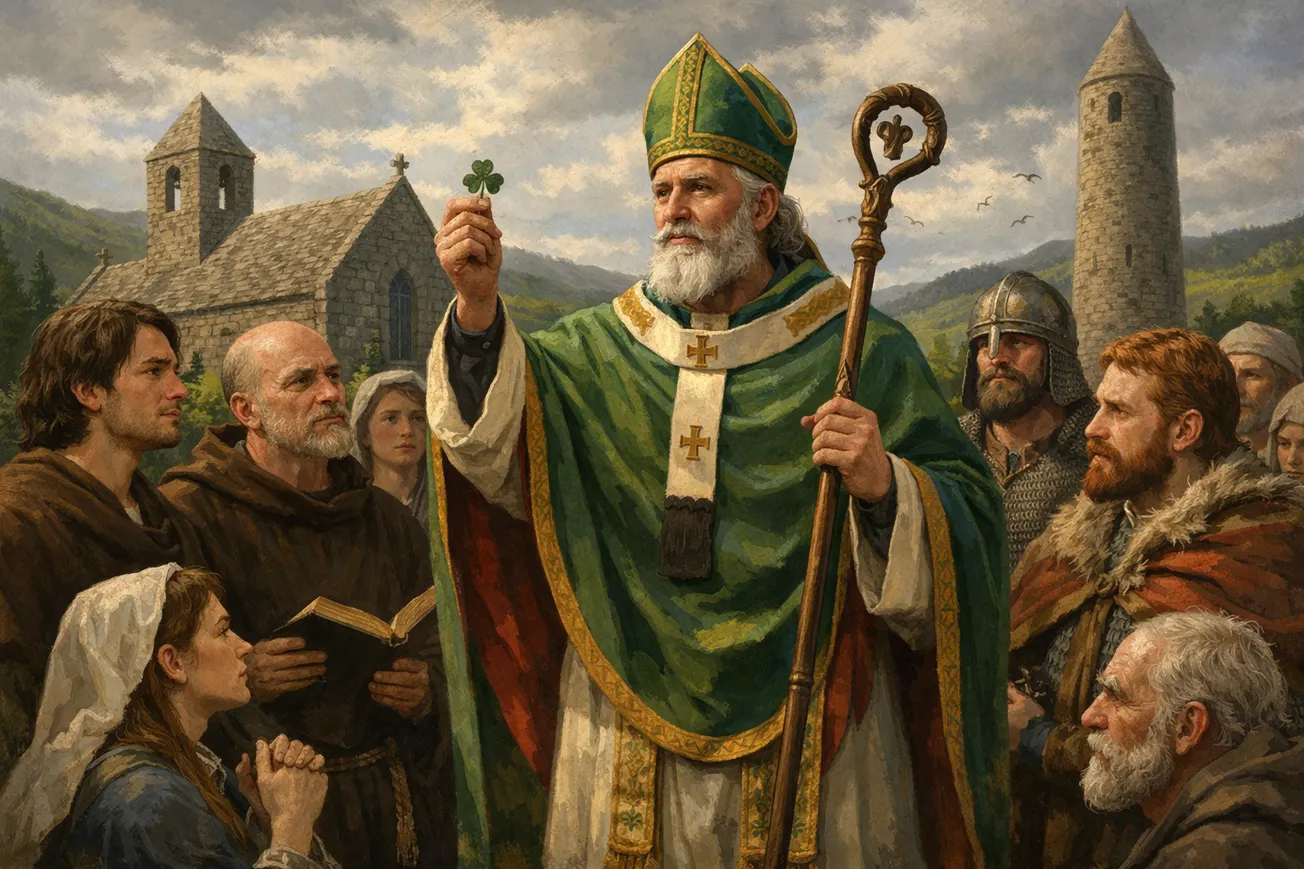
Saint Patrick is often remembered as the missionary who brought the light of Christ to Ireland. Yet beyond the stories of snakes driven from the land and shamrocks teaching the Trinity, his life offers profound lessons in leadership that remain relevant for Catholic professionals today. His example shows that authentic leadership is rooted in courage, service, and unwavering faith.
Courage to Answer the Call
Patrick’s journey began in adversity. Kidnapped as a teenager and taken into slavery in Ireland, he endured years of hardship before escaping and returning to his family. Yet when he later felt called to return to Ireland as a missionary, he embraced that call despite the dangers and uncertainties. Leaders in every field encounter challenges that demand courage. Like Patrick, they must respond to opportunities for service, even when the path is difficult or unfamiliar. True leadership begins when one steps forward with faith and confidence, trusting God to guide each decision.
Vision Rooted in Faith
Patrick’s mission was clear: to share the Gospel with a people unfamiliar with Christ. He understood not only what needed to be done but why it mattered. Leadership without vision risks aimlessness; Patrick’s clarity of purpose allowed him to inspire and guide those around him. Catholic professionals can learn from his example by ensuring that their own work is anchored in values that transcend profit, recognition, or personal gain. A vision grounded in faith provides direction, cultivates trust, and fosters a sense of mission in others.
Persistence in the Face of Resistance
Patrick’s work was not without obstacles. Cultural resistance, linguistic barriers, and entrenched beliefs could have discouraged him. Yet he persevered, adapting his methods while staying true to his goal. Leaders encounter resistance in many forms, organizational inertia, skepticism, or opposition from colleagues. Patrick teaches that perseverance, patience, and adaptability are crucial. Leadership is not merely about issuing directives; it is about navigating challenges thoughtfully and consistently, always with an eye toward the greater good.
Empowering Others
One of Patrick’s most remarkable leadership qualities was his ability to empower those he served. He trained local communities in the faith, nurtured future leaders, and encouraged the Irish to take ownership of their spiritual growth. In professional settings, empowering others means mentoring, delegating responsibly, and creating opportunities for colleagues to grow. Leadership is not about personal accolades but about building a culture where others are equipped to flourish. Patrick’s model reminds Catholic professionals that true influence is measured by the success and development of those we lead.
Humility and Service
Patrick’s leadership was inseparable from his humility. He lived simply, served diligently, and placed the needs of others above his own. Humility is often overlooked in discussions of leadership, yet it is essential for credibility and respect. Leaders who prioritize service over status create environments of trust and collaboration. Patrick’s example challenges Catholic professionals to embrace servant leadership, leading not for prestige but to make a meaningful difference in the lives of others.
Living the Legacy
The life of Saint Patrick demonstrates that leadership is more than managing tasks or achieving goals. It is a vocation that blends courage, vision, persistence, empowerment, and humility, all rooted in faith. Catholic professionals can draw inspiration from his example by striving to lead with integrity, always keeping service to others and faith in God at the center of their decisions. Like Patrick, they can transform challenges into opportunities, leaving a lasting impact in their workplaces, communities, and beyond.
In reflecting on Saint Patrick, we are reminded that leadership is not just a skill but a calling. His life challenges every professional to consider how they can serve others with courage, inspire with vision, persevere through resistance, empower colleagues, and remain humble in all achievements. Following his example, Catholic leaders can not only guide effectively but also leave a legacy of faith and virtue for generations to come.
P.S. Last year, as guests arrived at the venue for the Tepeyac Leadership Gala, we asked them a simple but important question. Their answers were thoughtful, candid, and deeply hopeful for the future of our Church and our society. In the video below, you will see a compilation of their responses.