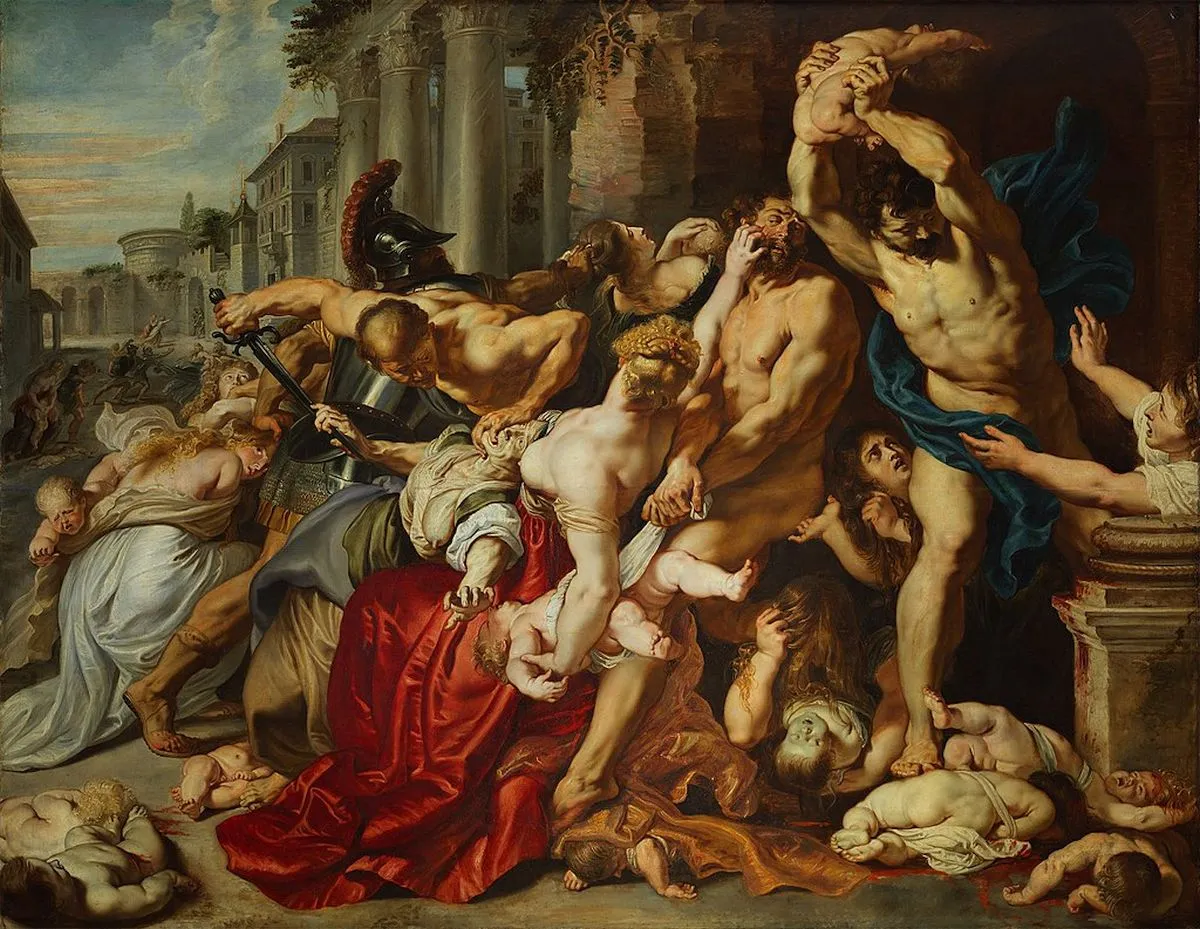
The Feast of the Holy Innocents, martyrs, is a day that can feel jarring within the joy of Christmastide. While the Church still sings of the Word made flesh, she asks us to contemplate the children of Bethlehem who were slain by order of King Herod. For Catholic professionals, this feast offers a profound meditation on power, vulnerability, and the cost of fidelity to Christ in a world that often resists Him.
The Gospel Account of Herod’s Violence
The Gospel of Matthew recounts the event with stark simplicity. Threatened by the birth of a king he did not choose, Herod unleashed violence against the most defenseless. These children did not speak Christ’s name, did not consciously choose martyrdom, and yet the Church venerates them as martyrs. Saint Augustine famously called them flowers cut down at the very dawn of life, witnesses not by words but by blood. Their deaths proclaim a truth that echoes through history: the presence of Christ exposes injustice and provokes opposition.
A Reminder of the True Cost of the Incarnation
Within the Octave of Christmas, the Feast of the Holy Innocents reminds us that the Incarnation is not sentimental. God entering the world does not immediately silence cruelty or ambition. Instead, the Light shines in the darkness, and the darkness resists. This feast teaches Catholic professionals that following Christ does not mean escaping conflict. It means remaining faithful when truth challenges entrenched interests, comfortable lies, or systems built on fear.
Reflections on Power and Responsibility
Herod’s violence was rooted in insecurity and the misuse of authority. He feared losing control and responded by sacrificing others to preserve his power. This dynamic is not confined to ancient history. In modern professional life, Catholics often witness subtle versions of the same temptation. Decisions that prioritize profit over people, efficiency over dignity, or reputation over truth can quietly harm the innocent. The Holy Innocents call us to examine how power is exercised in our workplaces and industries, and whether our choices protect or endanger those with the least voice.
Advocating for Life and Dignity
The Church’s commemoration of these children also has a strong connection to her consistent defense of human life. From the unborn to the elderly, from victims of trafficking to civilians caught in war, the Holy Innocents stand as a symbol of all who suffer violence through no fault of their own. For Catholic professionals engaged in law, medicine, business, education, or public service, this feast reinforces the moral responsibility to advocate for life and dignity, even when doing so is costly or countercultural.
Martyrdom and Hope
Yet this day is not only about sorrow. The Church proclaims these children as martyrs because their deaths are united to Christ’s saving work. Their blood, unjustly shed, is gathered into the mystery of redemption. This gives hope to all who labor in environments marked by injustice or moral compromise. God does not ignore the suffering of the innocent, and He does not allow faithful witness to be wasted. Even when outcomes seem hidden or delayed, fidelity bears fruit in ways beyond immediate measure.
Moral Clarity in Professional Life
For Catholic professionals, December 28 can become a day of intentional prayer and examination. It is an opportunity to ask how one’s work reflects a commitment to protecting the vulnerable and honoring truth. It invites reflection on whether silence or convenience has replaced courage, and how Christ might be calling each person to greater integrity in daily responsibilities.
The Feast of the Holy Innocents ultimately points us back to the Child in the manger. Jesus Himself would one day face unjust violence at the hands of fearful authorities. The infants of Bethlehem went before Him, testifying that from the very beginning, His coming challenged the powers of this world. As the Church continues to celebrate Christmas, this feast grounds our joy in reality and strengthens our resolve. It calls Catholic professionals to live their vocation with moral clarity, defending life, exercising authority rightly, and trusting that God’s justice will prevail, even when the cost is real and the witnesses seem small.
P.S. Please consider an end-of-year gift to Tepeyac Leadership. Thank you for investing in the next generation of lay Catholic leaders for the world.