In every generation, Catholics search for ways to evangelize the world. We look to missionaries, apologists, and public witnesses who proclaim Christ boldly in word and deed. Yet there is another form of apostolate that is quieter, less visible, and often overlooked. It unfolds not in pulpits or on stages, but in offices, hospitals, courtrooms, classrooms, workshops, and board meetings. It is the hidden apostolate of competence.
The Lay Vocation in the World
The Second Vatican Council reminded the faithful in Lumen Gentium that the laity are called to seek the Kingdom of God by engaging in temporal affairs and ordering them according to God’s will. Most Catholic professionals will never preach a homily. But every Catholic professional is called to sanctify work from within.
Competence, rightly understood, is not merely efficiency or ambition. It is the disciplined pursuit of excellence as a form of love. When a physician studies diligently to diagnose accurately, when an attorney prepares thoroughly to defend justice, when an executive leads with integrity and foresight, they are serving not only clients and colleagues but also Christ. “Whatever you do, do from the heart, as for the Lord,” writes St. Paul.
Excellence as First Witness
Too often we imagine evangelization as something added onto our careers. We picture ourselves inviting coworkers to Bible study or speaking about faith during lunch breaks. These may be good and necessary. But the first proclamation many people will ever hear from us is the quality of our work. Sloppiness, mediocrity, and irresponsibility undermine credibility. Excellence, humility, and reliability open doors.
In Christifideles Laici, Pope John Paul II emphasized that the lay faithful are not second class citizens in the Church’s mission. Their secular professions are not distractions from holiness but the very arena in which holiness is forged. The marketplace, the laboratory, and the firm are not spiritually neutral spaces. They are fields ready for cultivation.
Integrity Under Pressure
Consider the Catholic engineer who refuses to cut corners despite pressure. The Catholic accountant who insists on transparency. The Catholic manager who defends the dignity of an overlooked employee. None may speak explicitly about doctrine in those moments. Yet each bears witness to a moral order that transcends profit and popularity.
Competence becomes apostolic when it is animated by charity. Without love, excellence can degenerate into pride. With love, it becomes service. A teacher who patiently prepares lessons for struggling students is practicing an apostolate. A business owner who creates just wages and humane schedules is shaping a culture that reflects the Creator’s justice.
Interior Formation for Professional Holiness
This hidden apostolate also demands interior formation. Professional skill alone does not sanctify. We must cultivate prayer, sacramental life, and ongoing moral formation so that our decisions flow from a rightly ordered conscience. The Eucharist strengthens us to see Christ in colleagues and clients. Confession purifies our motives. Spiritual direction helps us discern how to navigate complex ethical dilemmas.
There is a temptation in modern professional culture to separate faith from competence. We are told that religion is private and that the workplace must remain neutral. But neutrality often masks a set of assumptions about human nature, freedom, and success. The Catholic professional, formed by the Church’s teaching, quietly challenges those assumptions by embodying a richer vision of the human person.
In Gaudium et Spes, the Church teaches that human activity, when ordered to God, corresponds to His design. Work is not merely economic exchange. It is participation in creation and redemption. When we practice our professions with integrity and skill, we cooperate with grace.
As Your Heavenly Father Is Perfect
Not every apostolate is visible. Not every witness is dramatic. Many of the most transformative influences in history have come through steady, faithful excellence over years. The Catholic professional who perseveres in competence, guided by truth and charity, builds trust. And trust opens hearts.
The hidden apostolate of competence does not seek applause. It seeks fidelity. In a world hungry for authenticity, your quiet mastery, your ethical consistency, and your generous service may be the most convincing sermon your colleagues ever encounter.
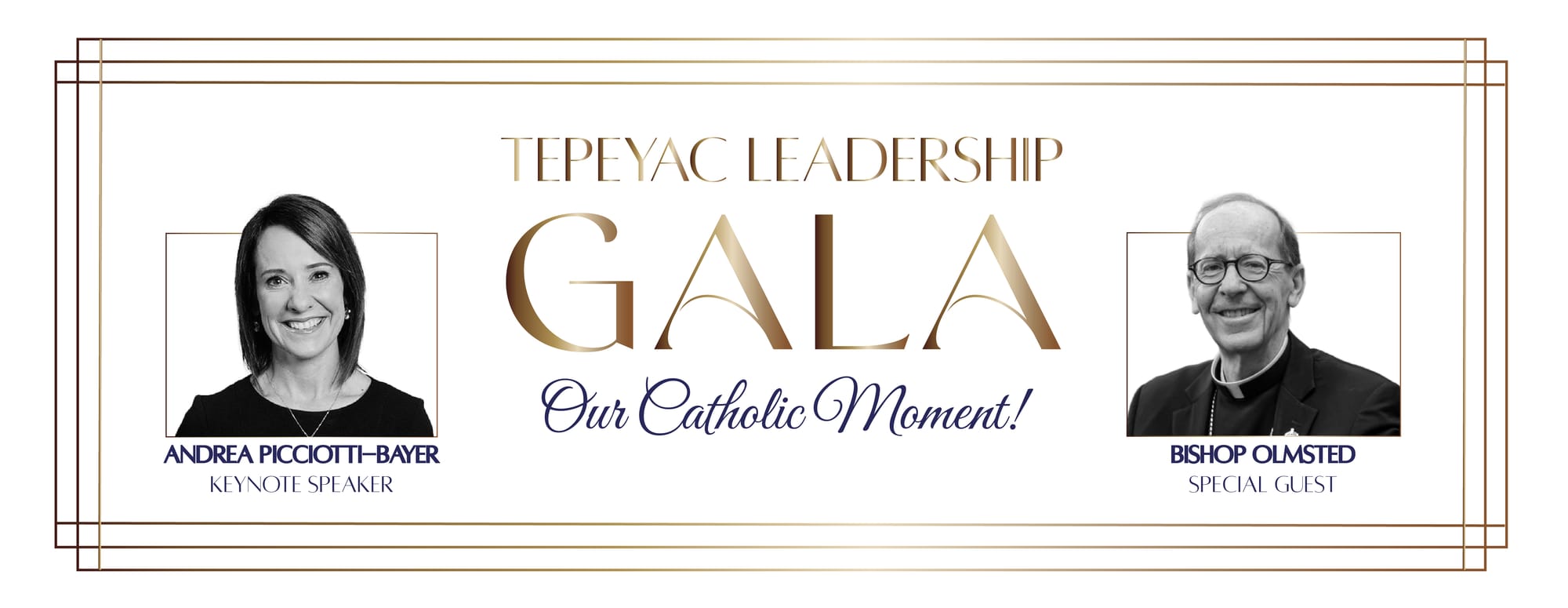
P.S. The countdown is on for the 2nd Tepeyac Leadership Gala, on March 28. Secure your tickets today by clicking below!