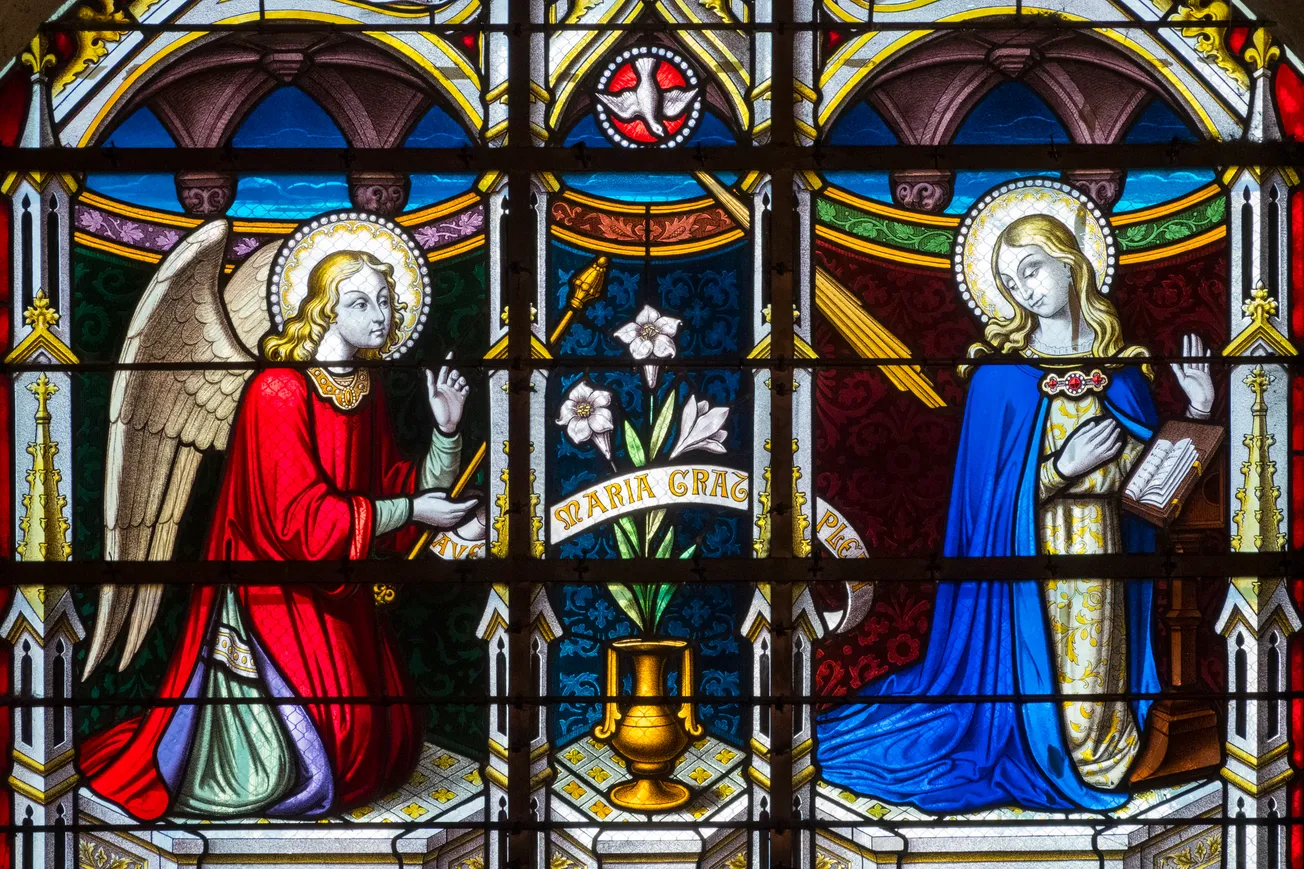
Tomorrow March 25, the Church celebrates the Solemnity of the Annunciation, the moment when the Archangel Gabriel visited Mary to announce that she would conceive the Son of God. This encounter, seemingly quiet and private, is the hinge upon which salvation history turns. For lay Catholic leaders, the Annunciation offers profound lessons about openness, courage, and cooperation with God’s mission in the world.
Listening with Discernment
The first lesson from the Annunciation is the importance of attentive listening. Gabriel’s greeting, “Hail, full of grace, the Lord is with you,” was extraordinary, yet Mary listened carefully and without fear. Lay leaders can learn from Mary’s example that true discernment requires stillness and attentiveness. In the midst of busy professional or personal lives, it can be tempting to overlook the subtle movements of God’s Spirit. Mary’s response reminds leaders that discernment begins with listening, to God, to the needs of those we serve, and to the guidance of the Church.
Courage in Saying Yes
Mary’s fiat, her simple, “Behold, I am the handmaid of the Lord; let it be done to me according to your word,” demonstrates profound courage. Accepting God’s plan meant stepping into the unknown, facing potential misunderstanding, and embracing a mission that would forever alter her life. Lay Catholic leaders are often called to similar acts of courage: introducing ethical practices in challenging work environments, prioritizing service over personal gain, or standing firm in moral convictions. Like Mary, leaders must sometimes choose the path of faithful obedience over the easier or more conventional path.
Humility and Collaboration
The Annunciation also highlights humility and collaboration. Mary’s response was not one of passive acceptance, but of active cooperation. She participated fully in God’s plan, understanding that the Incarnation required her consent and action. For lay leaders, this underscores the power of humility in leadership. True influence arises not from asserting control, but from collaborating with others, acknowledging God’s work, and empowering those around us. Humility allows leaders to lift others and become instruments through which God can work.
Faith as a Source of Strength
Mary’s life teaches that faith sustains leaders in moments of uncertainty. She did not know precisely how the Son of God would be brought into the world or how society would perceive her role, yet her faith remained unshaken. Lay leaders, too, encounter uncertainty and complex decisions. Faith provides a steady foundation, allowing leaders to act with integrity and resilience even when outcomes are unclear. Trusting God’s providence does not remove challenges but equips leaders with the courage and wisdom to navigate them faithfully.
Bearing God’s Presence into the World
Finally, the Annunciation reminds lay leaders that they, like Mary, are called to bear God’s presence into the world. Mary’s cooperation with God’s plan changed the course of history. Lay leaders, in their workplaces, communities, and families, have opportunities to bring light, hope, and moral clarity into the spheres they inhabit. By embracing God’s will, they can influence their environments in ways that extend far beyond what is immediately visible.
As the Church prepares to celebrate the Solemnity of the Annunciation tomorrow, lay Catholic leaders can draw inspiration from Mary’s example. Her attentive listening, courageous assent, humble collaboration, and steadfast faith illuminate a path for those seeking to integrate leadership and holiness. Like Mary, lay leaders are invited to respond with generosity to God’s call, trusting that even small acts of obedience can bear extraordinary fruit in the world.
P.S. Last year, as guests arrived at the venue for the Tepeyac Leadership Gala, we asked them a simple but important question. Their answers were thoughtful, candid, and deeply hopeful for the future of our Church and our society. In the video below, you will see a compilation of their responses.