Table of Contents
In a world where visibility often feels like currency, professionals are encouraged to shape how they are perceived at every turn. Social platforms, professional networks all invite individuals to refine their image and communicate value. Yet for people of faith and conscience, this raises a deeper question. How does one cultivate a clear and credible presence without drifting into pride or self-centered ambition? The challenge is not whether to be seen, but how to be seen truthfully.
A healthy understanding of personal presence can become an expression of integrity rather than performance. When grounded in humility, the effort to communicate identity becomes a form of service rather than self-promotion.
Discernment helps ensure that communication remains honest, measured, and oriented toward service of others rather than personal acclaim, especially in environments that reward constant visibility and quick recognition. This approach fosters peace of heart while strengthening credibility over time in daily professional life today
The Desire to Be Seen Clearly
Professionals naturally want their work and contributions to be understood. This desire is not inherently prideful. It reflects a human need for recognition of truth and effort. The difficulty arises when recognition becomes the goal rather than the fruit. A humble approach begins by asking what is being communicated and whether it reflects reality. Clarity should not exaggerate accomplishments but rather present them in honest proportion. When intention is purified, visibility becomes less about drawing attention and more about offering clarity to others who may benefit from one person’s experience or skills.
The Foundation of Authentic Identity
A stable sense of identity is essential for anyone engaging in public life. Without it, external validation can easily distort judgment and priorities. Authentic identity is rooted in truth about one’s gifts, limits, and responsibilities. It is shaped over time through reflection, accountability, and service. When individuals understand themselves accurately, they are less likely to overstate or understate their contributions. This balance allows personal communication to remain steady even when public attention fluctuates. Humility here is not self-dismissal but truthful self-knowledge.
Presence in the Public Square
Modern professional life often requires participation in digital and public spaces where impressions form quickly. In these environments, presence should be intentional but not inflated. Sharing work, ideas, and achievements can be done with restraint and clarity, focusing on usefulness rather than applause. It is possible to communicate strength without exaggeration and confidence without self-promotion. The aim is to contribute meaningfully to conversations rather than dominate them. When presence is guided by service, it becomes more credible and ultimately more influential.
Guarding the Interior Life
Sustaining humility requires attention to the interior life. Without reflection and discipline, external affirmation can quietly reshape motivation. Regular moments of silence, prayer, and honest self-examination help keep perspective intact. They remind professionals that success is not the final measure of worth. Gratitude also plays an important role, shifting focus away from comparison and toward appreciation of what has been received. A well-ordered interior life protects against the subtle temptation to make the self the center of every achievement.
When Influence Becomes Service
True influence is not measured by visibility alone but by the good it produces in others. When personal presence is grounded in humility, branding becomes less about constructing an image and more about revealing truth. In this sense, communication becomes a form of stewardship. What is shared is offered for the benefit of others, not for self-advancement. Over time, this approach builds trust, credibility, and peace of heart. It allows professionals to be seen clearly without losing the deeper grounding that keeps ambition rightly ordered.
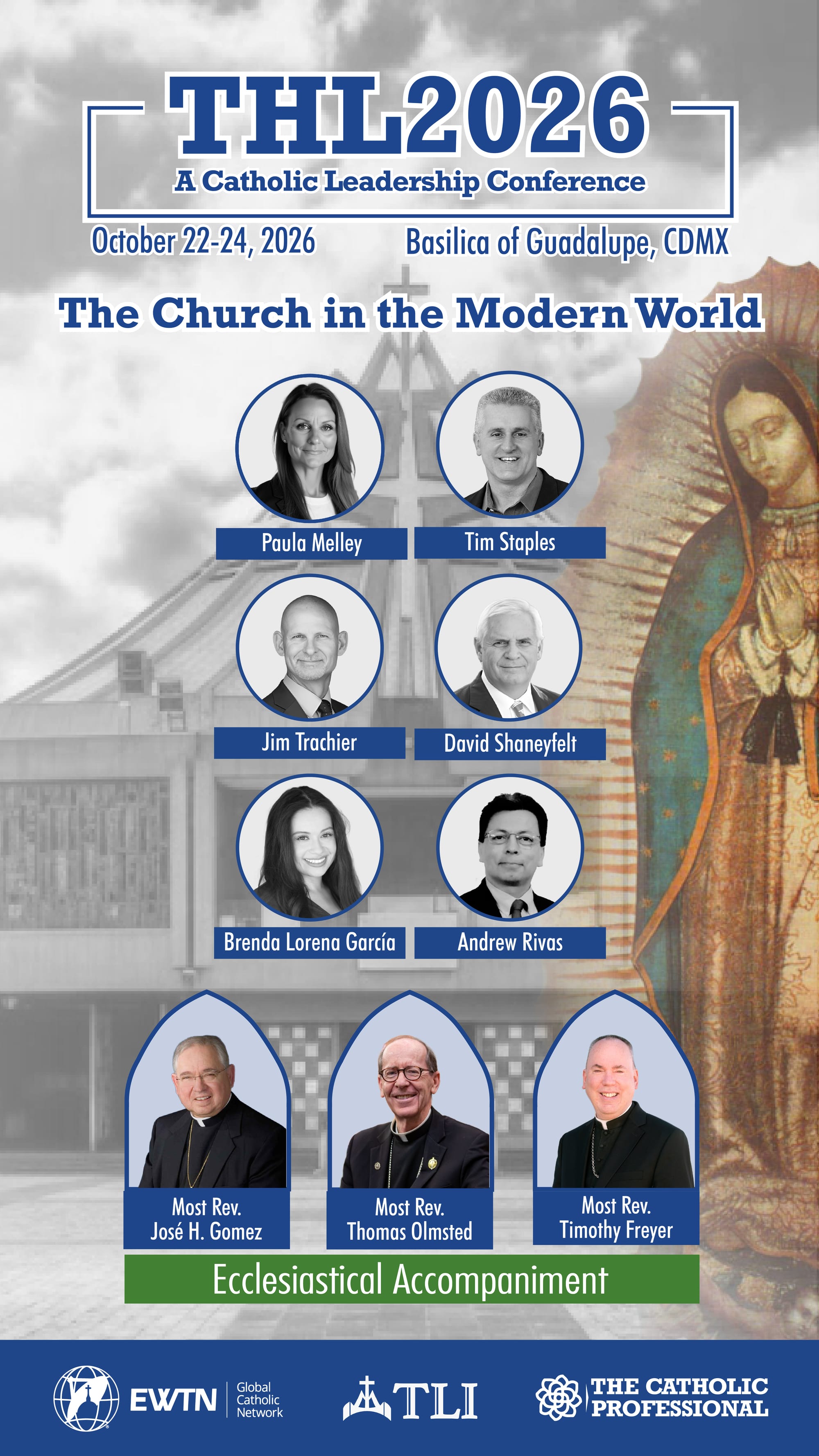
P.S. Discover the place where Our Lady of Guadalupe appeared to St. Juan Diego. See her image. And join Archbishop José Gómez, Bishop Thomas Olmsted and Bishop Timothy Freyer for The Hour of the Laity 2026 in Mexico City.