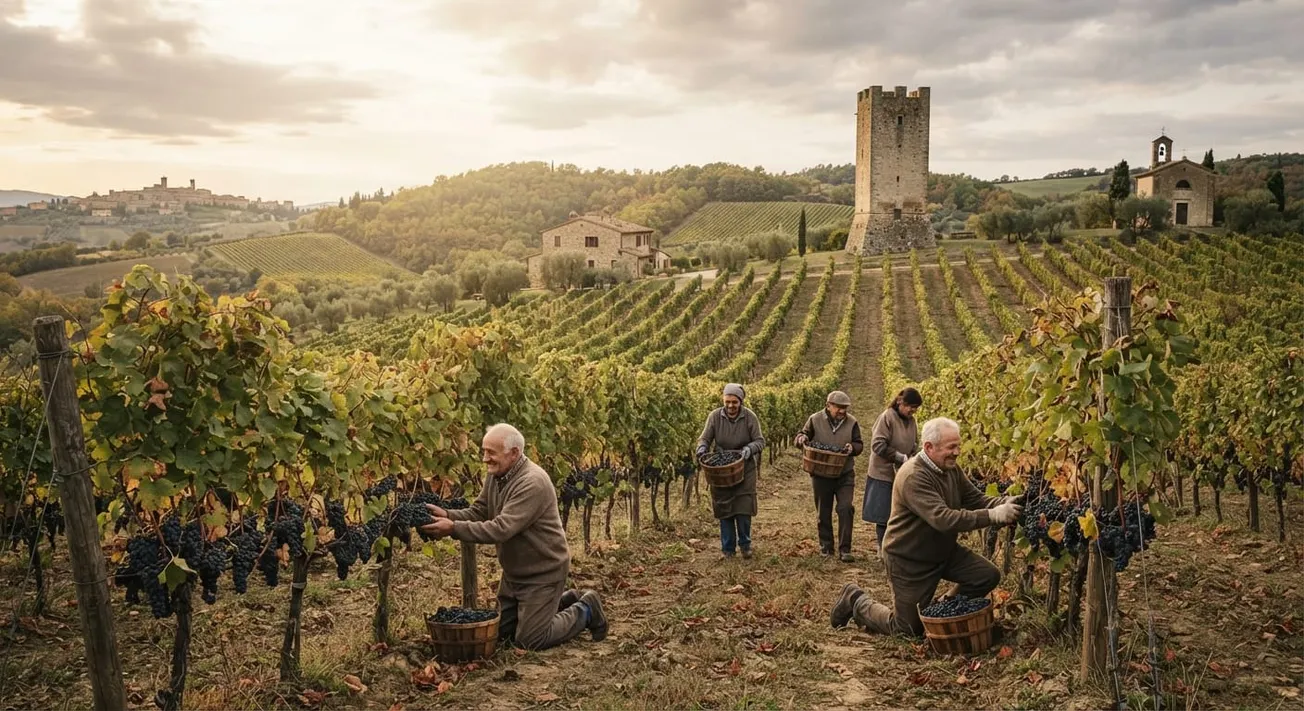
In an address delivered to pilgrims gathered at Saint Peter’s, Pope Leo XIV issued a striking challenge to modern culture: reexamine what we celebrate as beautiful. Contrasting the prevalent "hedonistic and consumerist" standards of our day with an authentic vision, the Holy Father reminded the faithful that true beauty does not exploit, dazzle, or demand attention. Instead, it quietly radiates serenity, kindness, and peace.
For Catholic professionals operating in marketing, corporate leadership, executive recruitment, and product design, the Pope’s words are far more than a spiritual meditation, they serve as a direct critique of modern business aesthetics.
In a marketplace driven by artificial polish, transactional branding, and high-friction corporate culture, how do we build brands and lead teams that reflect the enduring beauty of the Gospel?
The Trap of Corporate "Glow"
Modern branding and corporate identity have largely embraced a utilitarian aesthetic that is hyper-curated, aggressive, and designed to induce anxiety. Marketing campaigns frequently rely on creating a sense of inadequacy, promising that a software suite, a luxury service, or a lifestyle choice will finally bestow status or peace of mind.
Within corporate walls, a parallel dynamic unfolds. Executive presence is too often conflated with a hard, unyielding polish, an unblemished, high-performance persona that leaves no space for vulnerability, genuine dialogue, or human weakness.
This is precisely the hedonistic beauty Pope Leo XIV warns against, an aesthetic centered on self-aggrandizement and external impression. It demands constant maintenance, draws attention to itself, and ultimately leaves both creator and consumer feeling depleted.
Redefining Executive Presence
If authentic beauty reflects serenity, kindness, and peace, what does this mean for executive leadership? It begins by shifting our understanding of workplace excellence away from cold, performative efficiency toward steady, character-rooted integrity. A leader who embodies authentic beauty does not dominate a boardroom through loudness or posture. Rather, their authority stems from an interior order (tranquillitas ordinis) that brings calm to chaotic situations.
First, leaders must choose serenity over agitation. In moments of market volatility or organizational restructuring, a Christian leader offers a serene, grounded presence, refusing to leverage fear or urgency to drive performance.
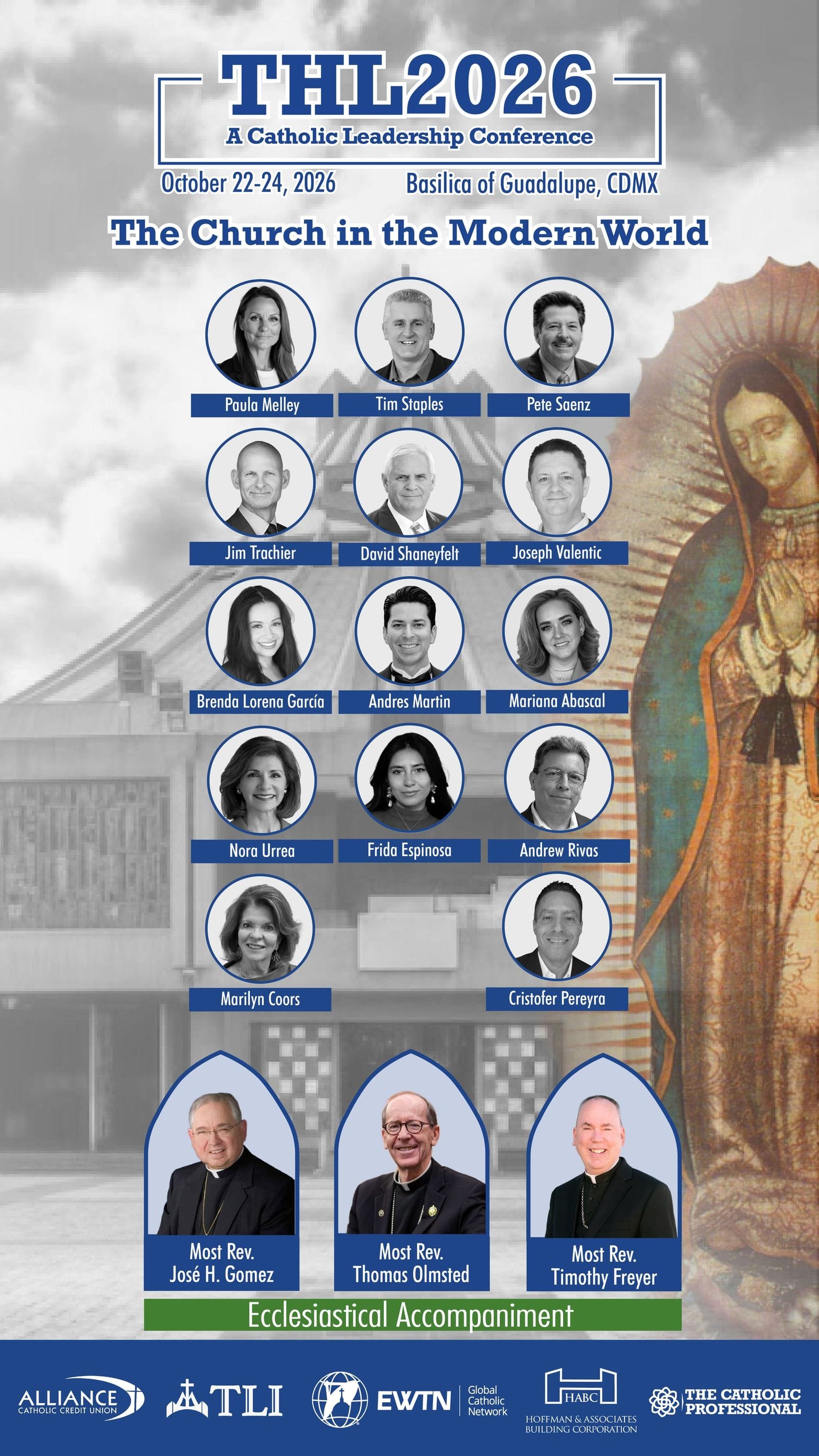
Ad: Discover the place where Our Lady of Guadalupe appeared to St. Juan Diego. See her image. And join Archbishop José Gómez, Bishop Thomas Olmsted and Bishop Timothy Freyer for The Hour of the Laity 2026 in Mexico City.
Second, we must recognize kindness as true strength. Genuine kindness in leadership is not passive weakness; it is the courage to speak truth, deliver difficult feedback, and hold high standards while preserving the inherent dignity of every team member.
Finally, peace serves as the ultimate metric. An organization led with authentic vision cultivates an environment where workers do not operate in a state of perpetual panic, but in the peace that comes from clear mission and shared purpose.
Aesthetic Stewardship in Business
For those responsible for product design, brand identity, and customer experience, Pope Leo’s address invites a radical paradigm shift. We must ask: Does our work elevate the human person, or does it exploit their vulnerabilities?
Authentic stewardship in design means rejecting deceptive patterns, UI/UX choices meant to trap user attention, and abandoning marketing narratives that rely on insecurity. It means building products that genuinely serve the human user, creating work environments that honor natural rhythms, and crafting messages that speak to the truth of human dignity.
When we ground our professional output in goodness, truth, and genuine beauty, our businesses cease to be mere engine rooms of commerce. They become credible witnesses in the public square, offering a weary world a glimpse of something higher, lasting, and serene.
P.S. Join Archbishop José Gómez, Bishop Thomas Olmsted and Bishop Timothy Freyer for The Hour of the Laity 2026 in Mexico City. In the videos bellow you will see what they have to say about THL2026.
Ad: Tepeyac Leadership’s Leadership for the World is a $2 million, three year mission to form lay Catholic leaders for the public square. Without formation, others fill the void. Will you step in or step aside now, when it matters most?