As lay Catholics, we often think of our mission in the world as primarily spiritual or personal, attending Mass, volunteering at our parish, helping those in need. Yet the Church also calls us to a broader horizon, one that includes bringing our faith into the public square. The world of politics, public policy, and civic leadership is not simply the domain of career politicians or activists. It is a sphere where the moral witness of Catholics is urgently needed, and where you, your expertise, your integrity, and your virtue can make an enduring difference.
Truth and Justice Demand It
The first reason the Church needs you in public decision-making is simple, truth and justice demand it. The principles of Catholic social teaching, human dignity, the common good, subsidiarity, and solidarity, are not abstract ideas to be whispered in the pews. They are meant to guide society. When Catholics step away from public life, decisions about healthcare, education, family policy, the economy, and the environment are made without the moral compass that our faith provides. By participating in public life, you help ensure that policies respect the dignity of every human person and protect the vulnerable.
Your Expertise Is a Form of Stewardship
Your professional expertise equips you to serve society in ways that go beyond your immediate workplace, whether you work in law, business, healthcare, education, or technology. As St. John Paul II reminded us, the lay faithful are called to exercise their influence in society, in such a way that the temporal order is imbued with a spirit of Christian fraternity. Your insight can shape legislation, organizational policies, or institutional practices that reflect the common good, making your vocation a channel for sanctifying the world.
Presence Matters More Than Power
Many Catholics assume that influencing public decisions requires holding office or being in positions of authority. While such roles can amplify impact, moral influence begins in everyday engagement, attending local council meetings, serving on school boards, joining civic associations, or advising colleagues and leaders with ethical clarity. Your consistent, principled presence sends a powerful witness, the Church cares about the ordering of society because society shapes human flourishing.
Participation Combats Moral Isolation
In a culture that often separates faith from public life, Catholic voices are increasingly marginalized. Without faithful Catholics at the table, decisions risk reflecting purely utilitarian or ideological priorities, rather than enduring truths. By entering public arenas, you remind others that moral considerations are not optional. You model courage, integrity, and prudence, encouraging others, Catholics and non-Catholics alike, to consider higher principles when making choices that affect communities.
Public Engagement Is an Act of Love
Jesus teaches us to love God and neighbor, and this love extends into the structures that govern our lives. Public service, whether formal or informal, allows us to safeguard life, promote justice, and foster environments where families and communities can thrive. Every policy shaped, every decision influenced, and every conversation guided by conscience becomes a tool for building the Kingdom of God here on earth.
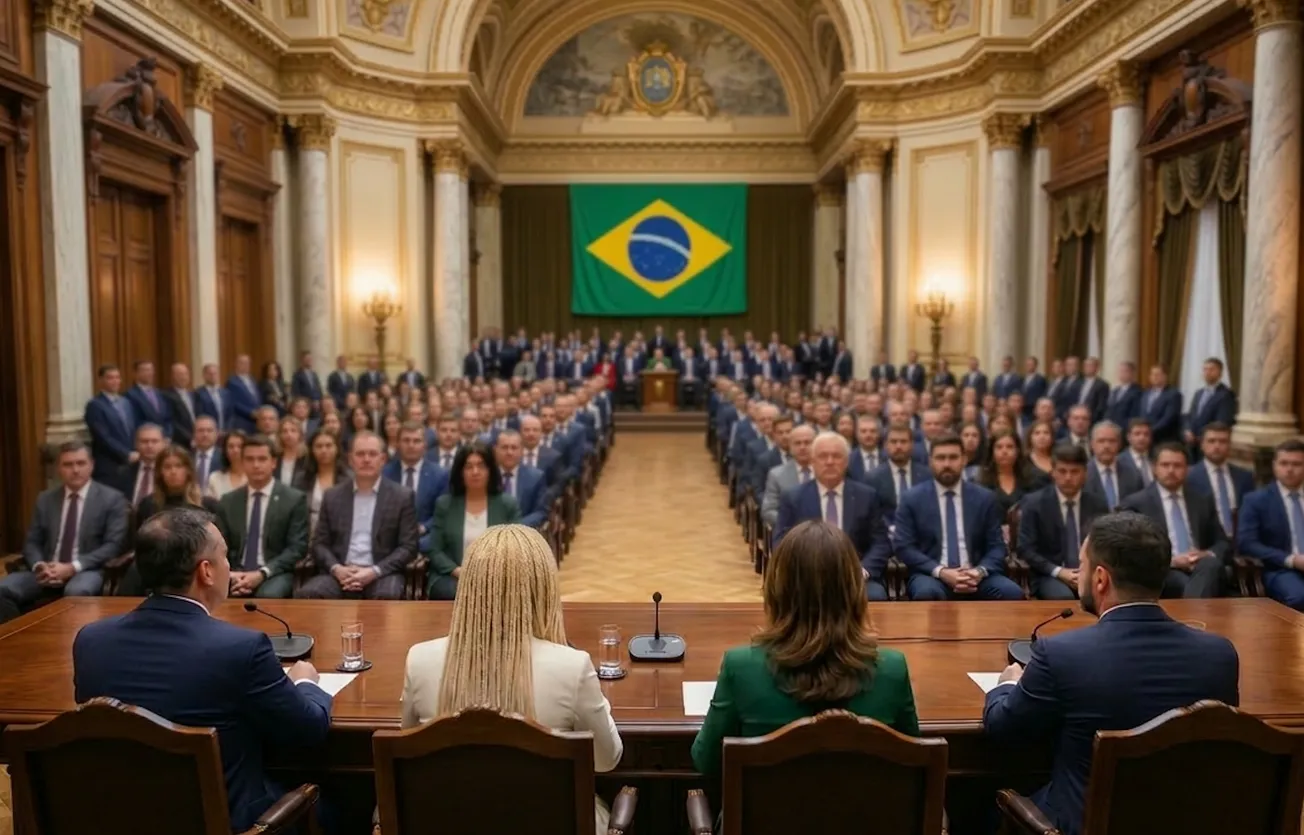
The Church needs you at every table where decisions are made not because of ambition or political ideology, but because the world needs witnesses of virtue. The presence of faithful Catholics brings perspective, moral clarity, and hope. The laity are not passive observers but active collaborators in God’s plan, called to bring the light of Christ into every corner of society. The questions before us are complex, but the answer is clear, faithful, competent, and courageous Catholics must show up, speak up, and serve.
The world is watching, and more importantly, souls are at stake. By stepping into public life with conviction and charity, you do not merely influence policy, you shape culture, protect human dignity, and live the vocation to which the Lord has called you. It is time to take your seat at the table. The Church needs you there, not tomorrow, not someday, but now.
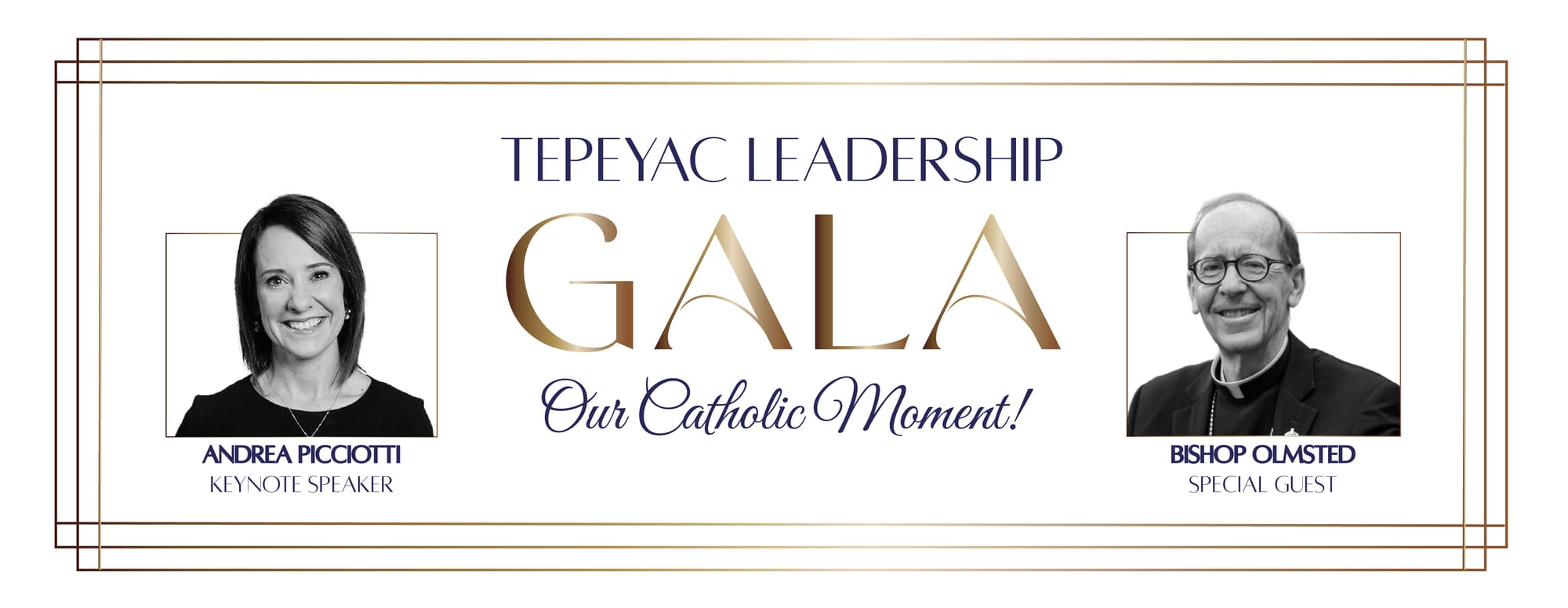
P.S. The countdown is on for the 2nd Tepeyac Leadership Gala, secure your tickets today by clicking below!