Each year, Global Money Week invites societies around the world to reflect on financial literacy, responsible economic participation, and the importance of educating younger generations about money. For Catholic professionals, this moment offers an opportunity to think more deeply about the moral dimension of economic life. Finance is not merely a technical field concerned with numbers and transactions. It is a human activity that directly affects families, communities, and the dignity of the person.
The Catholic tradition offers a clear principle that can guide economic life. The resources of the world are entrusted to humanity not for selfish accumulation, but for responsible stewardship. Wealth, talent, and opportunity carry with them a responsibility to serve others and to promote the common good.
The Moral Dimension of Economic Life
Modern economies are complex systems shaped by global markets, technological innovation, and political decisions. Yet beneath these complexities lies a fundamental truth. Economic systems exist for the human person, not the other way around.
The Church has consistently emphasized this principle in her social teaching. One of the most influential voices articulating this vision was Pope John Paul II, whose encyclical Centesimus Annus reflected on the moral foundations of economic freedom. He affirmed the value of entrepreneurship, creativity, and markets, while reminding society that economic activity must always respect human dignity.
For Catholic professionals working in finance, business, policy, or entrepreneurship, this perspective is essential. Profit is legitimate and necessary for sustaining enterprises, but it cannot become the sole measure of success. Economic decisions must also consider their effects on workers, families, and communities.
Stewardship in Professional Vocation
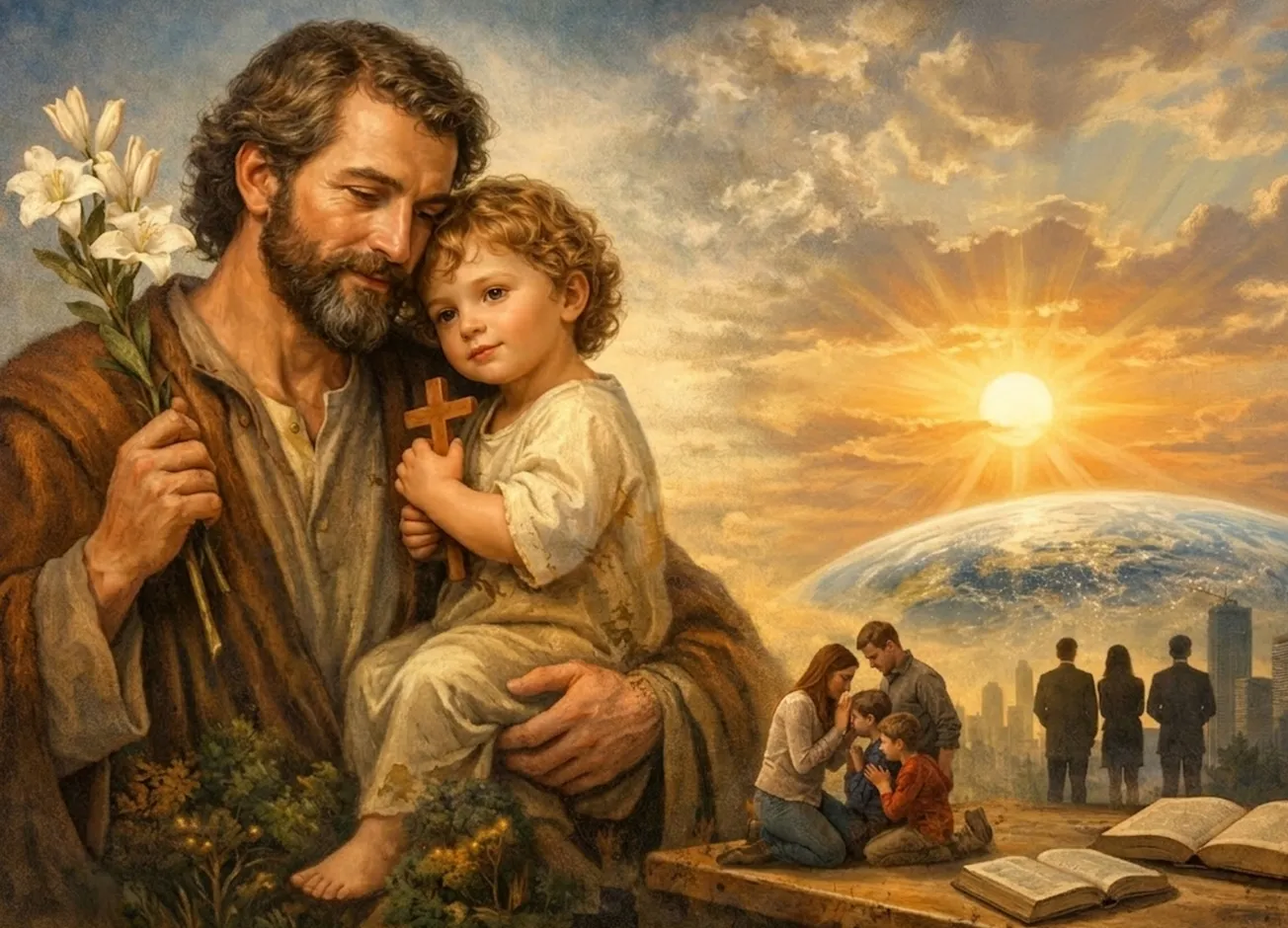
Stewardship is a central concept in the Christian understanding of economic life. It recognizes that everything we possess ultimately comes from God and is entrusted to us for a purpose.
For professionals, stewardship extends far beyond charitable donations or occasional acts of generosity. It shapes daily decisions about hiring, investment, pricing, leadership, and the treatment of colleagues and clients.
A business leader who pays fair wages practices stewardship. A financial advisor who prioritizes the long-term wellbeing of clients over short-term gains practices stewardship. An entrepreneur who creates opportunities for others to flourish practices stewardship.
These choices may not always generate the fastest profits or the most immediate recognition. Yet they contribute to building an economy that respects the dignity of work and the value of every human person.
Forming the Next Generation
One of the central goals of Global Money Week is to educate young people about financial responsibility. This objective resonates deeply with Catholic teaching on formation and virtue.
Financial literacy is not only about learning how to manage money. It is also about forming character. Young people must learn discipline, prudence, and generosity alongside practical skills such as budgeting and saving.
Catholic professionals have an important role to play in this formation. Parents teach children the value of work and responsible spending. Mentors guide younger colleagues in ethical decision making. Business leaders can shape workplace cultures that emphasize integrity rather than purely financial success.
When these values are passed on to the next generation, the economy itself becomes more human and more just.
A Witness in the Public Square
Economic life is one of the most influential arenas in modern society. Decisions made in boardrooms, government offices, and financial institutions can affect millions of people.
For this reason, Catholic professionals cannot see their faith as something separate from their economic responsibilities. Instead, they are called to witness to a vision of economic life rooted in responsibility, service, and human dignity.
During Global Money Week, this witness becomes especially important. In a world often dominated by consumerism and short-term thinking, the Christian understanding of stewardship offers a powerful alternative.
When professionals approach economic life with a spirit of stewardship, they help build an economy that serves people rather than exploiting them. In doing so, they fulfill an essential part of their vocation to sanctify the world through their work.
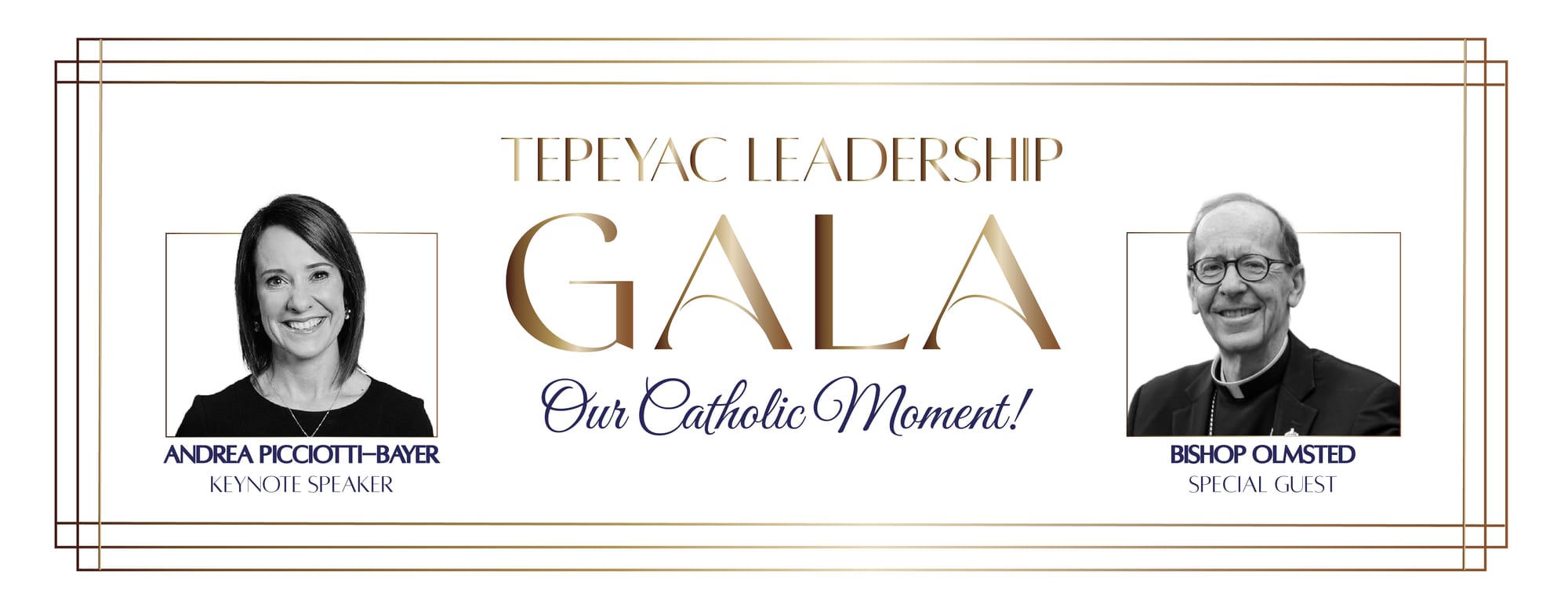
P.S. Last year, as guests arrived at the venue for the Tepeyac Leadership Gala, we asked them a simple but important question. Their answers were thoughtful, candid, and deeply hopeful for the future of our Church and our society. In the video below, you will see a compilation of their responses.