The Church does not rush past Christmas. Having fallen on our knees before the manger, she invites us to remain there. The Octave of Christmas is the Church’s deliberate refusal to let the mystery of the Incarnation be reduced to a single day. For eight full days, from Christmas Day through January first, the Church celebrates one continuous solemnity, as though time itself pauses to contemplate the Word made flesh.
The Meaning of an Octave in Catholic Teaching
In Catholic teaching, an octave is not a repetition but an extension. What is too great to be contained in a single day overflows into a sacred span of time. The birth of Christ is such a mystery. God enters history, assumes our humanity, and sanctifies ordinary life from within. The Octave of Christmas allows this truth to move from doctrine into lived experience, shaping how we pray, celebrate, and love.
The Mystery Unfolded Through the Liturgy
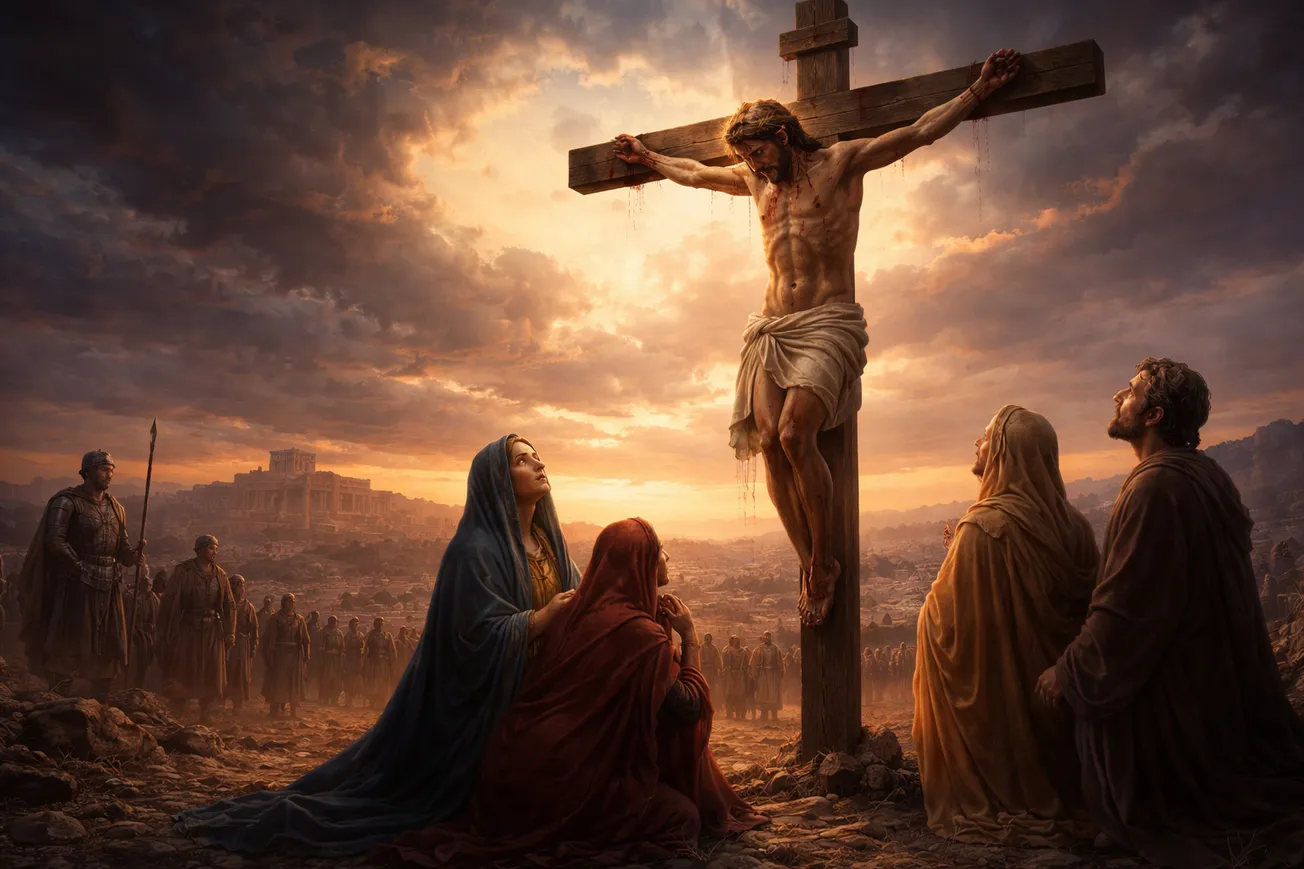
Each day of the octave reveals a different dimension of the Nativity. The liturgy draws us from the joy of Christmas Day to the witness of Saint Stephen the first martyr, the intimacy of Saint John the beloved disciple, the innocence of the Holy Innocents, and the quiet fidelity of the Holy Family. These feasts do not interrupt Christmas. They deepen it. From the beginning, the Child in the manger is surrounded by sacrifice, faithfulness, and suffering. Christmas already contains the seeds of the Cross and the Resurrection, not as a contradiction of joy, but as its ultimate fulfillment.
Learning to Live According to the Church’s Sense of Time
To live the octave fully, Catholics must first adopt the Church’s understanding of time. The world urges us to move on quickly. Decorations disappear, routines resume, and Christmas fades into memory. The Church invites us to linger. Keeping the Christmas tree, the Nativity scene, sacred music, and festive meals throughout the octave is a spiritual practice. These signs educate the senses and proclaim that God has entered our world and remains with us.
Prayer Rooted in Presence and Contemplation
Prayer during the octave is meant to be simple and attentive. Returning daily to the Nativity scene, whether at home or in church, teaches us to pray by presence rather than many words. The Infant Jesus reveals that God comes to us in humility and silence. Reading the daily Mass readings, even without attending Mass each day, unites us to the Church’s prayer and keeps our celebration anchored in worship rather than sentiment.
Gratitude and Charity as Fruits of the Incarnation
The Octave of Christmas is also a privileged time for gratitude. The Incarnation affirms the dignity of every human life and the goodness of creation. Giving thanks for family, work, friendships, and even trials honors the God who chose to enter our concrete reality. Acts of charity during these days become a natural extension of Christmas joy. Visiting the lonely, reconciling with others, and giving generously to those in need allow the mystery of Bethlehem to reach beyond our homes.
Mary the Mother of God and the Completion of the Octave
The octave culminates on January first with the Solemnity of Mary the Mother of God. This feast reveals how the Church wishes us to live Christmas. Mary treasures the mystery, ponders it in her heart, and carries Christ into the world. Beginning the civil year under her maternal care teaches us that time itself belongs to God and that every true beginning flows from the Incarnation.
To live the Octave of Christmas well is to resist haste and choose wonder. It is to allow joy to mature into faith and celebration to deepen into conversion. By remaining with the Child of Bethlehem for these eight sacred days, we learn how to recognize him throughout the year, hidden yet truly present in the ordinary rhythms of our lives.
P.S. Please consider an end-of-year gift to Tepeyac Leadership. Thank you for investing in the next generation of lay Catholic leaders for the world.