In the modern professional landscape, where efficiency is lauded and results are the standard currency, there is an alluring, albeit dangerous, narrative gaining ground. Often dressed in the language of faith, the "prosperity gospel" suggests a simple quid pro quo: if you are faithful, prayerful, and generous, God will reward you with financial abundance and career success. For the Catholic professional navigating the competitive demands of the boardroom or the clinic, this message is not just seductive, it is a theological counterfeit that threatens the very core of our vocation.
The Transactional Illusion
At the heart of the prosperity message is a fundamental distortion of the relationship between Creator and creature. It reduces the mystery of Divine Providence to a transactional mechanism. When we begin to view faith as a lever to manipulate God’s hand for material gain, we cease to be His servants and, effectively, attempt to make Him our own.
As Catholic professionals, we are called to bring the light of the Gospel into the marketplace, not to domesticate the Gospel to serve the idols of the market. When we frame wealth as the primary metric of divine favor, we fall into a "religious anthropocentrism" that puts human desire at the center of the spiritual life. This turns our prayer into a utility and our faith into a performance, subtly shifting our motivation from glorifying God to acquiring security.
The Theology of the Cross vs. The Theology of Comfort
The danger for the high-achieving Catholic is particularly acute. We are naturally oriented toward success, growth, and stewardship. Yet, the Gospel provides a starkly different framework for human flourishing. The prosperity gospel promises a life free of suffering, claiming that poverty or struggle are merely symptoms of hidden sin or a lack of faith.
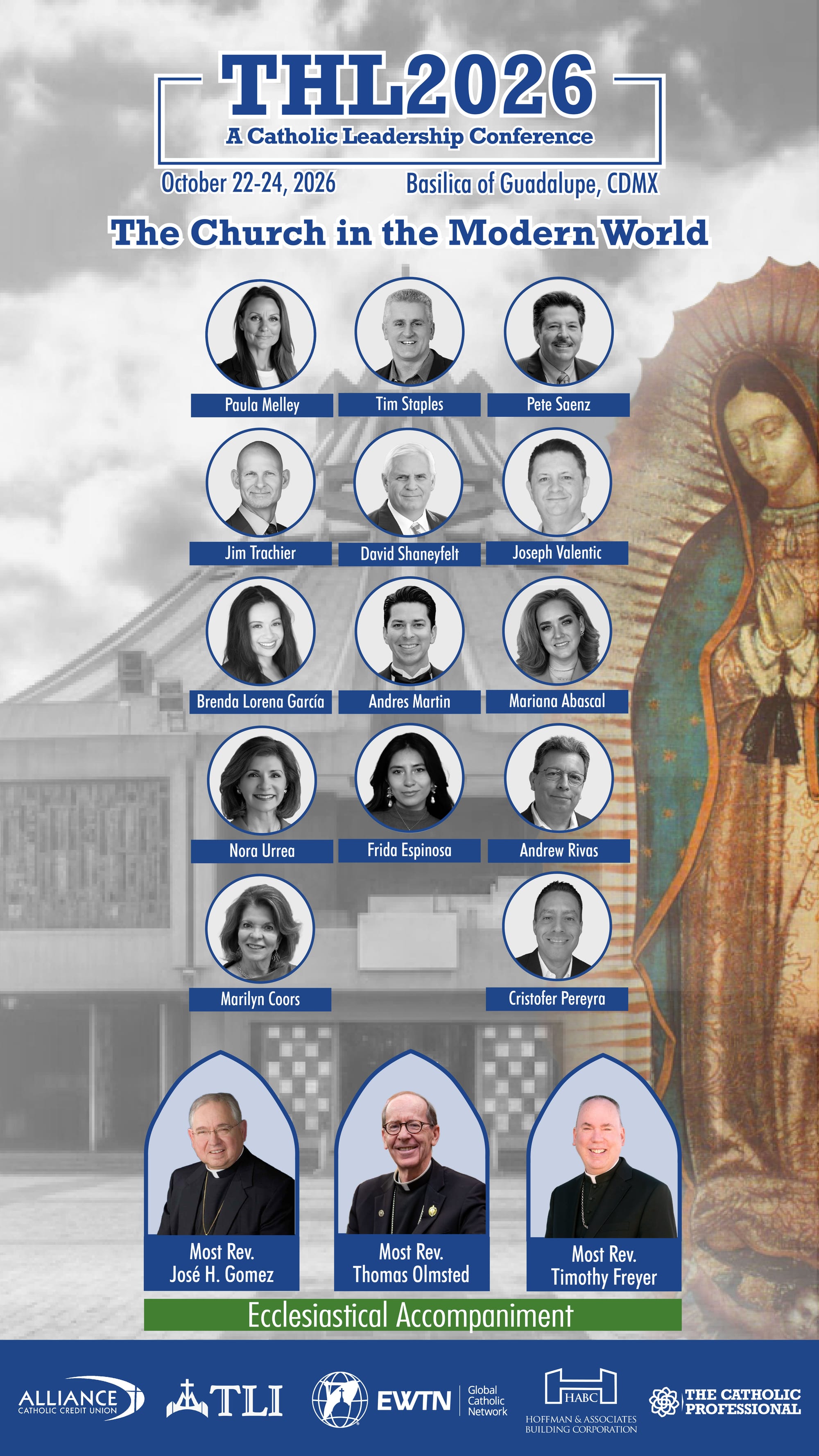
Ad: Discover the place where Our Lady of Guadalupe appeared to St. Juan Diego. See her image. And join Archbishop José Gómez, Bishop Thomas Olmsted and Bishop Timothy Freyer for The Hour of the Laity 2026 in Mexico City.
This is a direct contradiction of the Cross. Saint Paul reminds us that we are called not only to believe in Christ but to suffer for Him. Our professional lives will inevitably involve seasons of setback, failure, and limitation. If we subscribe to a theology that equates worldly abundance with holiness, we risk a crisis of faith when we encounter these trials, or worse, we may become judgmental toward those who do not share our level of material success.
Authentic Professional Stewardship
True prosperity, in the Catholic tradition, is not found in the accumulation of capital, but in the alignment of our wills with the will of God. Wealth itself is a gift and a responsibility, a tool for the common good and the service of our neighbor, not a trophy of our spiritual standing.
For the Catholic professional, the challenge is to pursue excellence with detachment. We are called to be diligent, to be honest, and to labor for the flourishing of our families and communities, but we must do so with our eyes fixed on the Kingdom. Our worth is not reflected in our bottom line, but in the integrity of our conscience.
In a world that demands we prove our value through outward metrics, let us choose the quiet strength of the Cross. Our vocation is to walk through the professional space as beacons of a different kind of success: one defined by generosity, justice, and the humble pursuit of God’s grace, regardless of the cost.
P.S. Join Archbishop José Gómez, Bishop Thomas Olmsted and Bishop Timothy Freyer for The Hour of the Laity 2026 in Mexico City. In the videos bellow you will see what they have to say about THL2026.
Ad: Tepeyac Leadership’s Leadership for the World is a $2 million, three year mission to form lay Catholic leaders for the public square. Without formation, others fill the void. Will you step in or step aside now, when it matters most?