Table of Contents
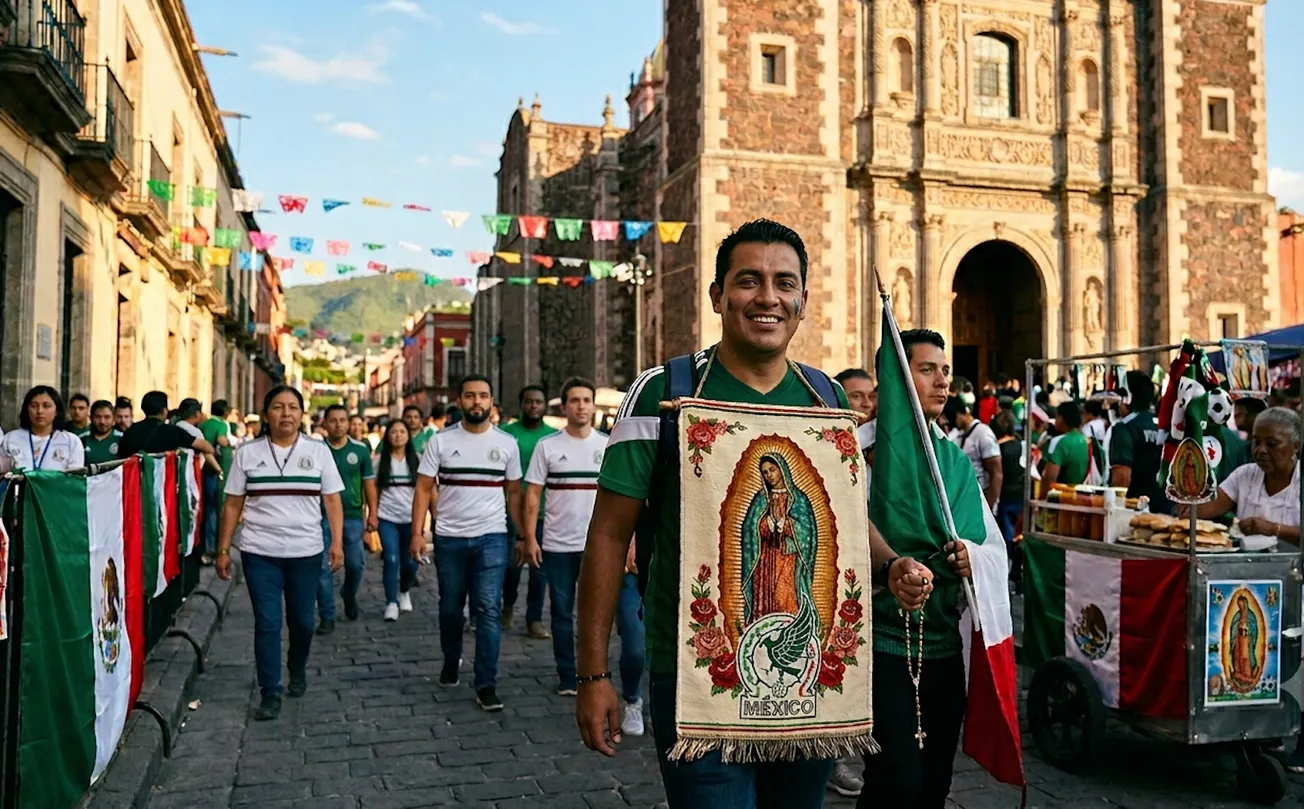
These days, the eyes of the global sports community turned to Mexico as the FIFA World Cup officially kicks off. As hundreds of thousands of soccer fans, families, and travelers descend upon the country for this historic tournament, many are asking a very direct question: Is it safe to visit Mexico City? Because of our special bond with Our Lady of Guadalupe, our apostolate, Tepeyac Leadership, Inc., though headquartered in Phoenix, Arizona, in the United States, has a deep and enduring connection to Mexico City (CDMX). It is a place that is spiritually significant to us and central to our mission.
If you are following national headlines or watching dramatic footage from the most violent regions of this vast country, you may be seeing only part of the story. Mexico is large and complex, and conditions vary widely from state to state and city to city. As the matches begin, we thought it would be helpful to address the question of safety thoughtfully and directly.
CDMX: A Global Metropolis
CDMX is one of the most dynamic and culturally rich capitals in the world, attracting visitors for its history, food, arts, and thriving business environment. With a metropolitan population rivaling or exceeding major U.S. cities such as Los Angeles, Miami, Chicago, Las Vegas, Philadelphia, Washington, D.C., New Orleans, Dallas, Houston, and Atlanta, it draws millions every year.
The short answer to the safety question is that CDMX, like any large global city, has areas that feel very safe and others where extra caution is wise. Statistically, it is not inherently more dangerous than any of the big U.S. cities listed above when risks are understood and common-sense precautions are taken.
Crime and Context
Like any densely populated city worldwide, CDMX experiences typical urban crime. Petty theft, pickpocketing, and opportunistic robbery are common in crowded areas such as subway stations and markets. Violent crime does occur, but it tends to be concentrated in specific neighborhoods and usually is not random against tourists or business travelers. With good planning, many visitors spend days or weeks without incident.
When compared to U.S. cities, some statistics show that major metros like Chicago, Philadelphia, New Orleans, and Washington, D.C. often have higher per capita violent crime rates than CDMX. That doesn’t absolve either place of risk; it instead highlights that large urban centers in North America share similar public safety challenges.
Most visitors to CDMX stay in well-regarded neighborhoods such as Polanco, Roma/Condesa, and Santa Fe. These districts have robust public safety infrastructure and feel comparable to premier neighborhoods in Los Angeles or Miami. In fact, CDMX is home to one of the largest communities of U.S. expats in the world. In the neighborhoods we mentioned above, you'd be surprised by the large number of residents who are U.S. or Canadian citizens.
What the U.S. Government Advises
The official travel advisory from the U.S. Department of State currently classifies Mexico with a Level 2 – Exercise Increased Caution. According to that advisory, crime including homicide, kidnapping, carjacking, and robbery occurs in Mexico, and citizens should stay vigilant, especially in less populated or rural areas. It notes that emergency assistance may be limited in some regions and that visitors should obey local controls like road checkpoints.
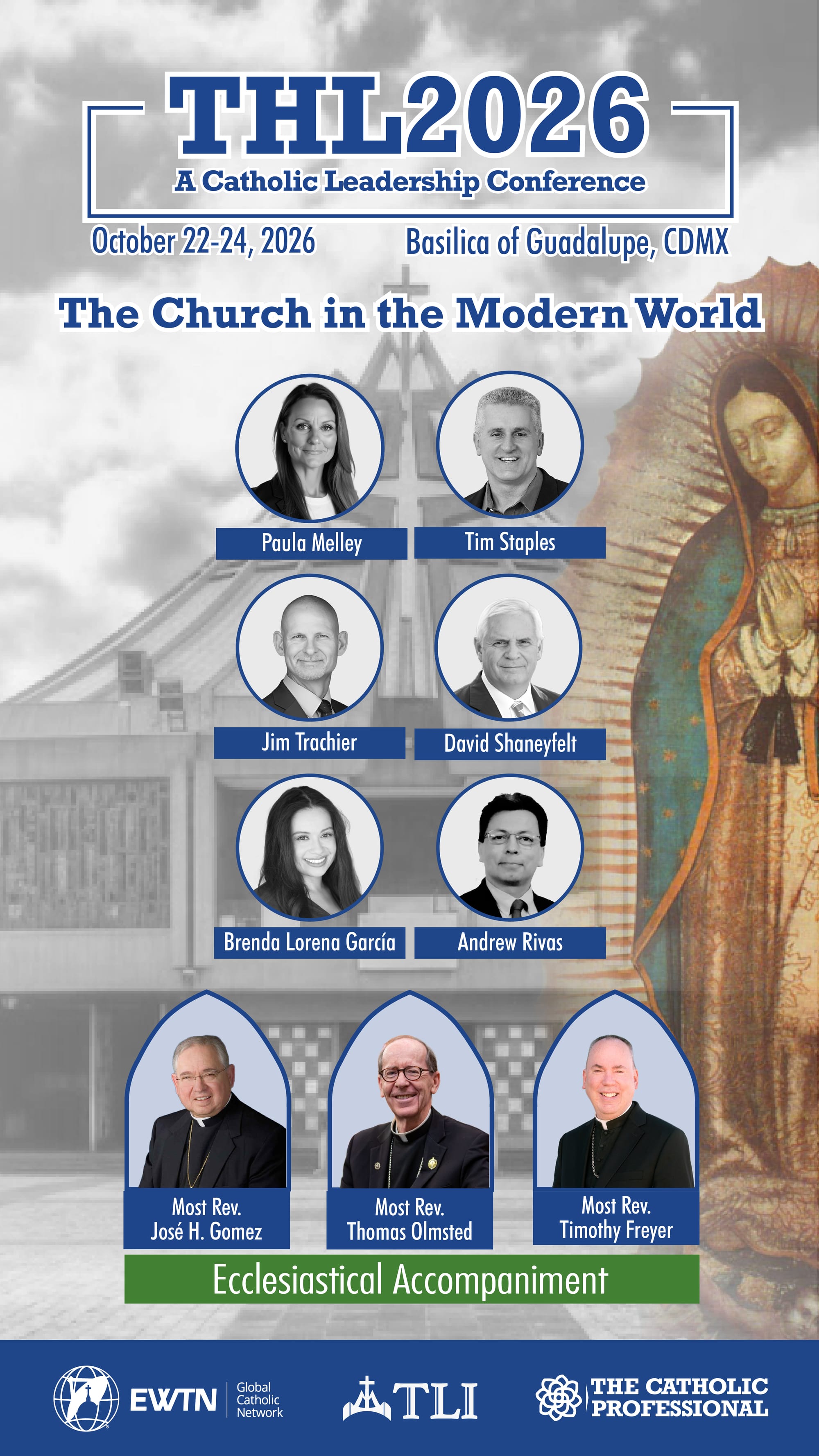
Ad: Discover the place where Our Lady of Guadalupe appeared to St. Juan Diego. See her image. And join Archbishop José Gómez, Bishop Thomas Olmsted and Bishop Timothy Freyer for The Hour of the Laity 2026 in Mexico City.
CDMX itself is included in the Level 2 category, meaning ordinary caution applies. Some states farther from the capital are listed under higher levels of warning due to elevated cartel-related violence or kidnapping risk.
The guidance from the U.S. government is broadly similar to advice given when traveling to big U.S. cities with known crime challenges: stay aware of your surroundings, avoid flashing valuables, use reputable transportation services, and consider local knowledge when exploring at night.
Perception Versus Reality
Headlines about cartel violence can make travel to Mexico seem riskier than daily life in the capital. Yet millions of visitors enjoy CDMX and other popular destinations each year without major problems. The differences between districts within the city can be as pronounced as the differences between neighborhoods in Chicago or Houston.
Prudence is the key. We recommend that you:
- Avoid quiet or unfamiliar areas after dark.
- Secure your belongings in crowded spaces.
- Use official taxis or ride-hail apps.
- Check updated travel advisories before departure.
These sensible measures apply equally whether you’re planning a visit to Mexico City, Philadelphia, Miami, or Atlanta.
Our Final Assessment
So, how safe is Mexico City? With awareness and preparation, it is reasonably safe for visitors and not categorically more dangerous than large cities in the United States. It offers immense cultural and spiritual rewards for travelers who respect local conditions and exercise good judgment.
Below, we are sharing some photos from our THL2025 conference in Mexico City, which took place last November, to give you a glimpse of our own wonderful experiences in the capital.

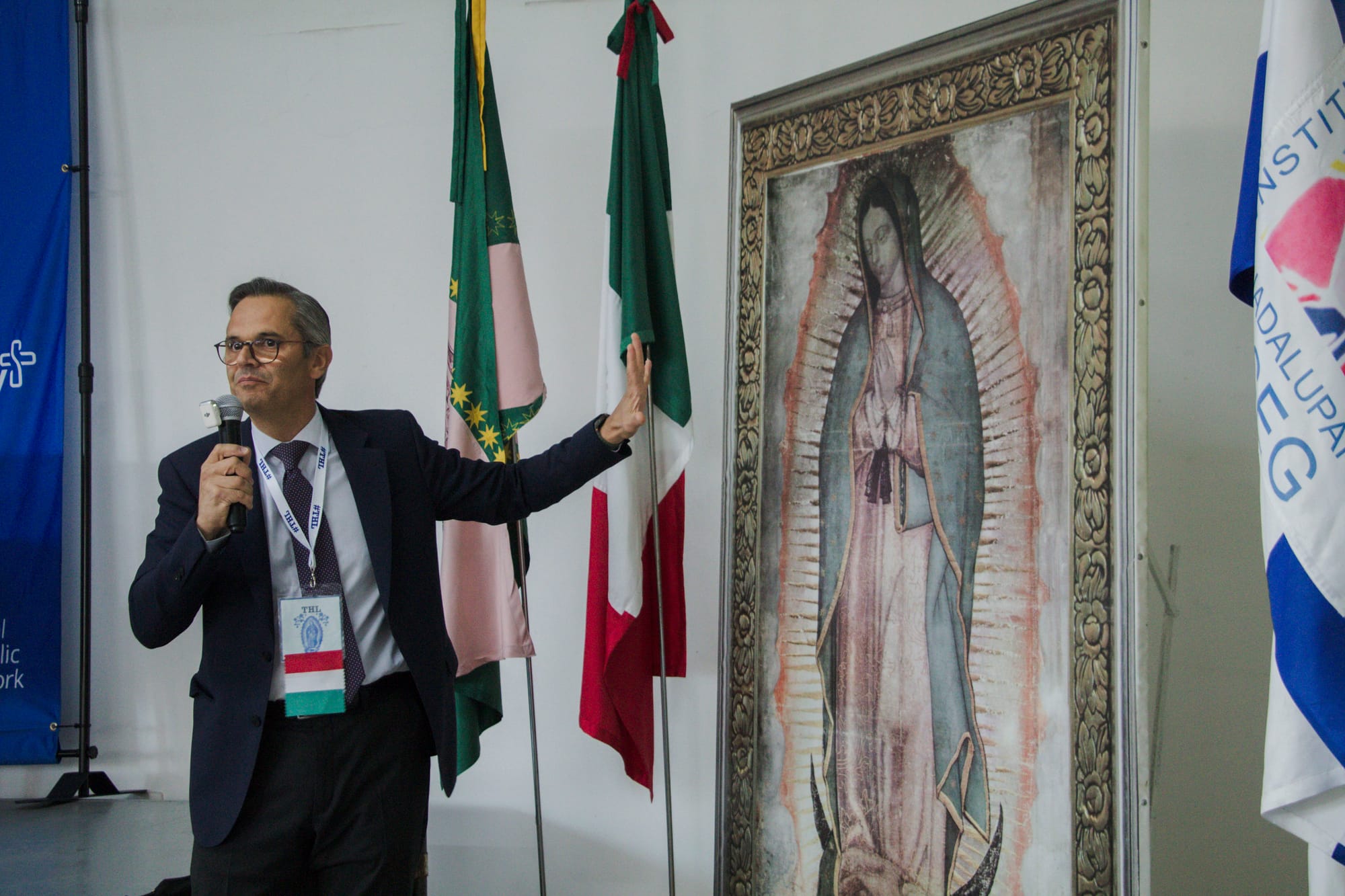
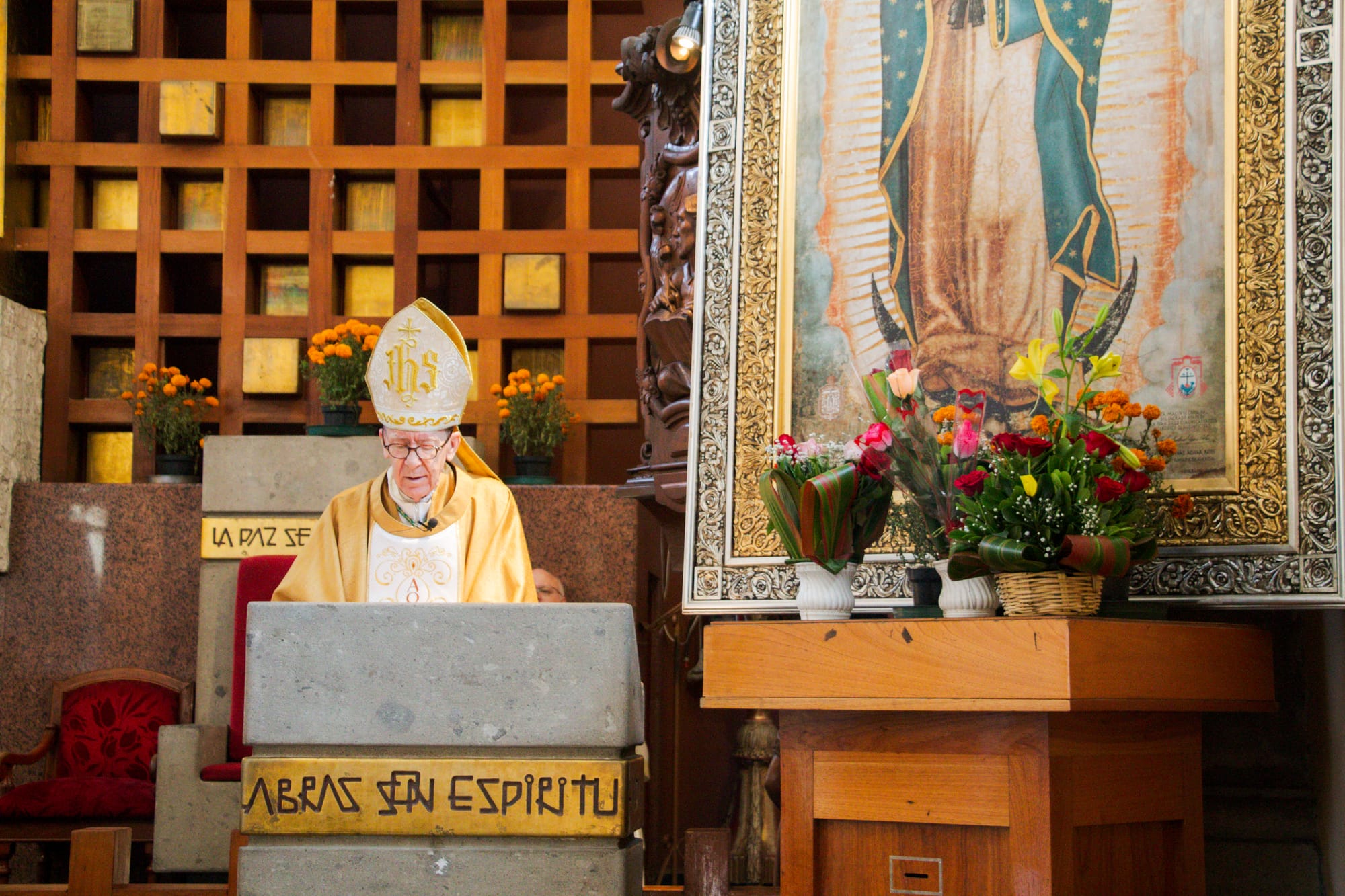
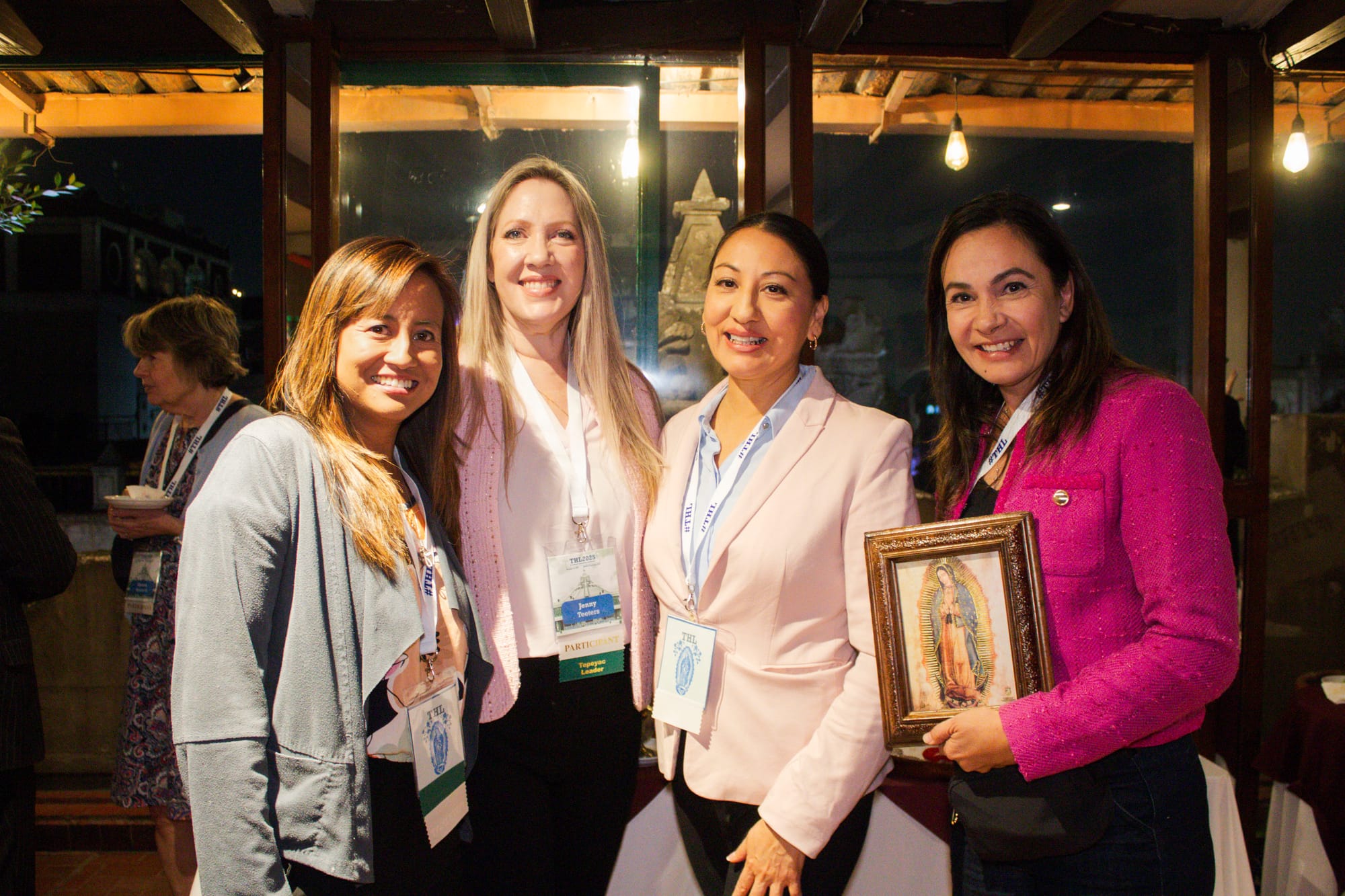

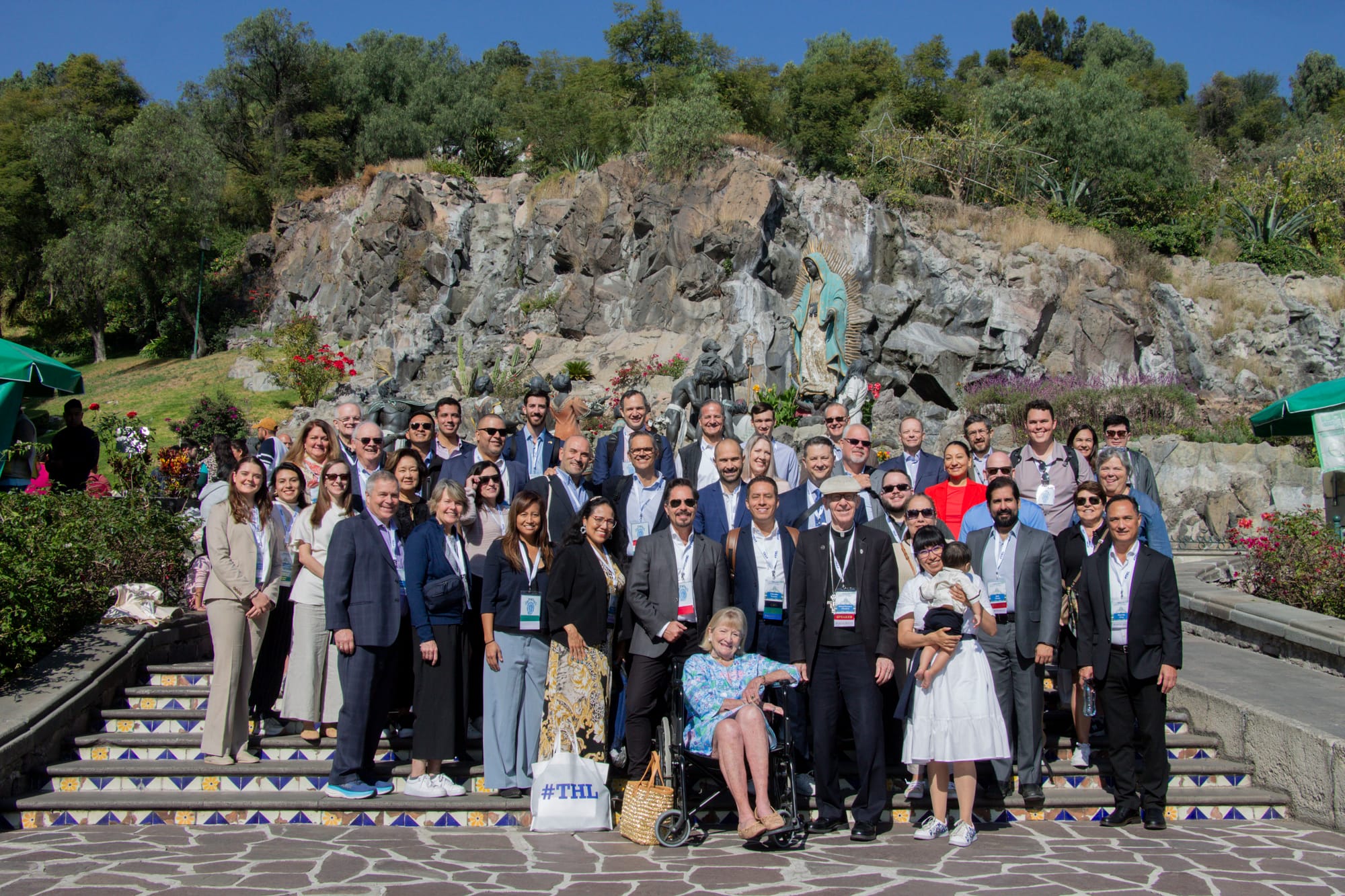
May your World Cup travels be safe, enriching, and full of good encounters with people and places that reflect the beauty of God’s creation.
Ad: Tepeyac Leadership’s Leadership for the World is a $2 million, three year mission to form lay Catholic leaders for the public square. Without formation, others fill the void. Will you step in or step aside now, when it matters most?

Click to discover why THL2026 is a must-attend event!