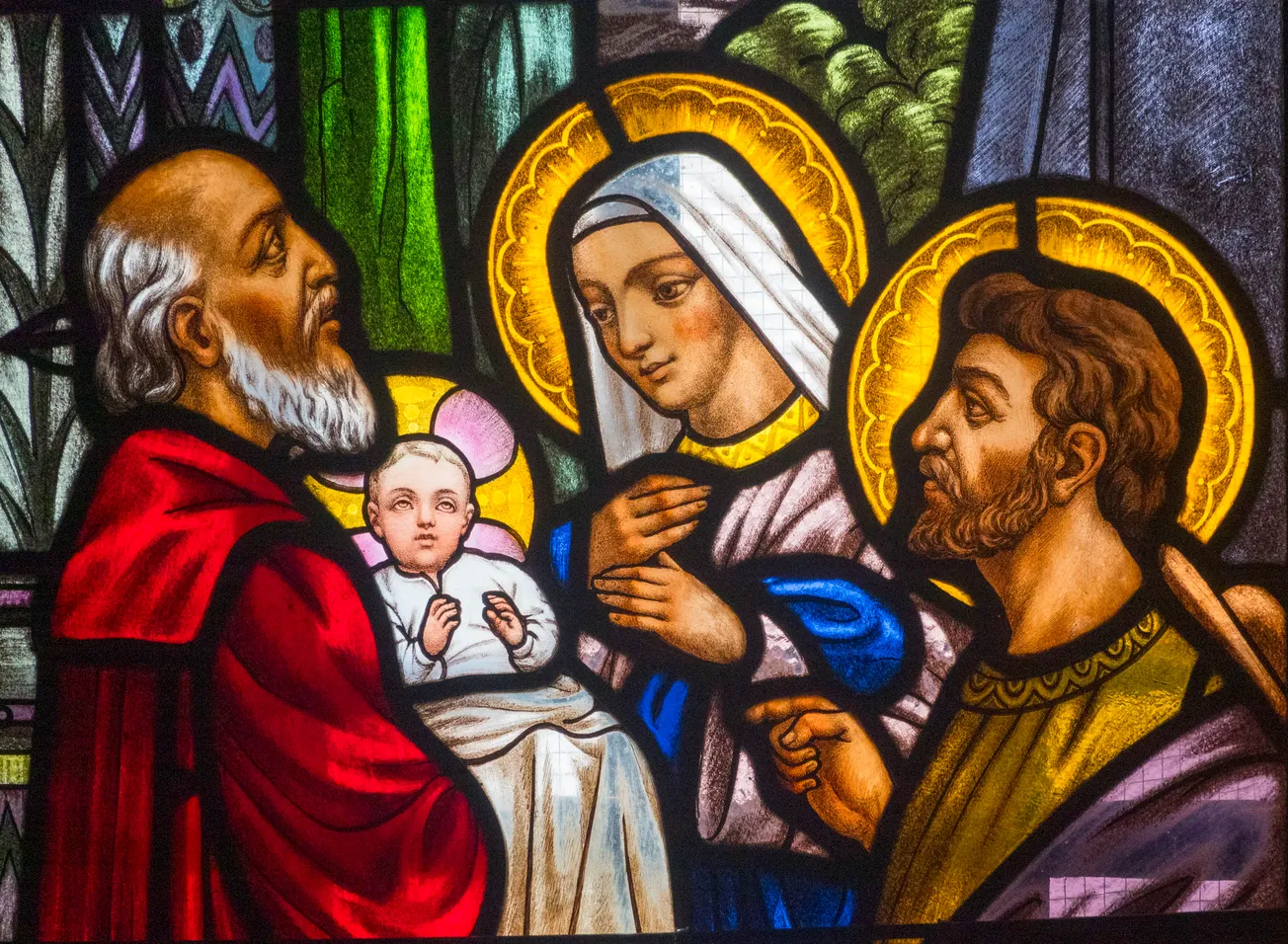
Forty days after Christmas, the Church celebrates the Feast of the Presentation of the Lord, traditionally known as Candlemas. At first glance, it may appear to be a quiet, even understated moment in the life of Christ. Mary and Joseph bring their child to the Temple to fulfill the requirements of the Law of Moses. There is no miracle, no proclamation from heaven, no crowd gathered in amazement. And yet, the Church places this feast at a decisive threshold: it closes the Christmas season and turns our gaze toward Christ’s mission, sacrifice, and ultimate offering of Himself to the Father.
Obedience Before Mission
The Gospel scene is rooted in obedience. Mary and Joseph come to Jerusalem to present Jesus as every firstborn male was to be presented, and to offer the sacrifice prescribed for those of modest means. The Son of God enters the Temple not in splendor, but in humility. Before He will preach, heal, or teach, He is first offered. The Presentation reveals a truth that runs through the entire Christian life: mission flows from surrender.
Seeing With the Eyes of Fidelity
The figures of Simeon and Anna give voice to what this moment truly signifies. Simeon recognizes the child as “a light for revelation to the Gentiles and glory for Israel.” Anna speaks of Him to all who are waiting for redemption. Their long years of fidelity allow them to see what others miss. The Temple, a place of ritual and expectation, becomes the setting where promise meets fulfillment. Christ does not abolish what came before; He completes it.
The Meaning of the Candle
Candlemas takes its name from the blessing of candles that traditionally accompanies the feast. The candle is not merely decorative or nostalgic. It symbolizes Christ Himself, the Light of the world, who enters the darkness not by overpowering it, but by being offered within it. The light we carry is received before it is shared. We do not generate it; we bear it.
A Lesson for Catholic Professionals
For Catholic professionals, this feast offers a profound examination of how we understand success, leadership, and purpose. The modern world prizes initiative, visibility, and control. Candlemas invites a different posture: fidelity, patience, and availability. Mary and Joseph do not attempt to shape events according to their own plans. They show up. They offer. They trust. In doing so, they participate in God’s unfolding work in ways far beyond their immediate understanding.
Light and the Cost of Faithfulness
The Presentation also marks a transition. The warmth and intimacy of Bethlehem gives way to the long road ahead. Simeon’s prophecy to Mary is strikingly honest: “A sword will pierce your soul.” Light and suffering are not opposites. In the Christian life, they are often intertwined. To be offered to God is to accept that our vocation, professional or otherwise, will include moments of obscurity, misunderstanding, and sacrifice. Candlemas does not romanticize this reality, but it does illuminate it.
As the Christmas season formally concludes, the Church gently shifts our focus. We are no longer simply contemplating the Child in the manger. We are being prepared to follow the Man who will teach, suffer, die, and rise. The Presentation is a quiet hinge between wonder and mission.
For those navigating careers, leadership roles, and daily responsibilities, Candlemas asks a simple but demanding question: what are you offering? Not merely what are you achieving or building, but what are you placing in God’s hands? Work, talents, ambitions, and even limitations become fruitful when they are first presented, rather than clutched.
In the end, Candlemas reminds us that before Christ changes the world, He is offered to the Father. And before we can truly illuminate our workplaces, communities, and families, we too must learn to be offered. The light we carry burns most clearly when it is first surrendered.
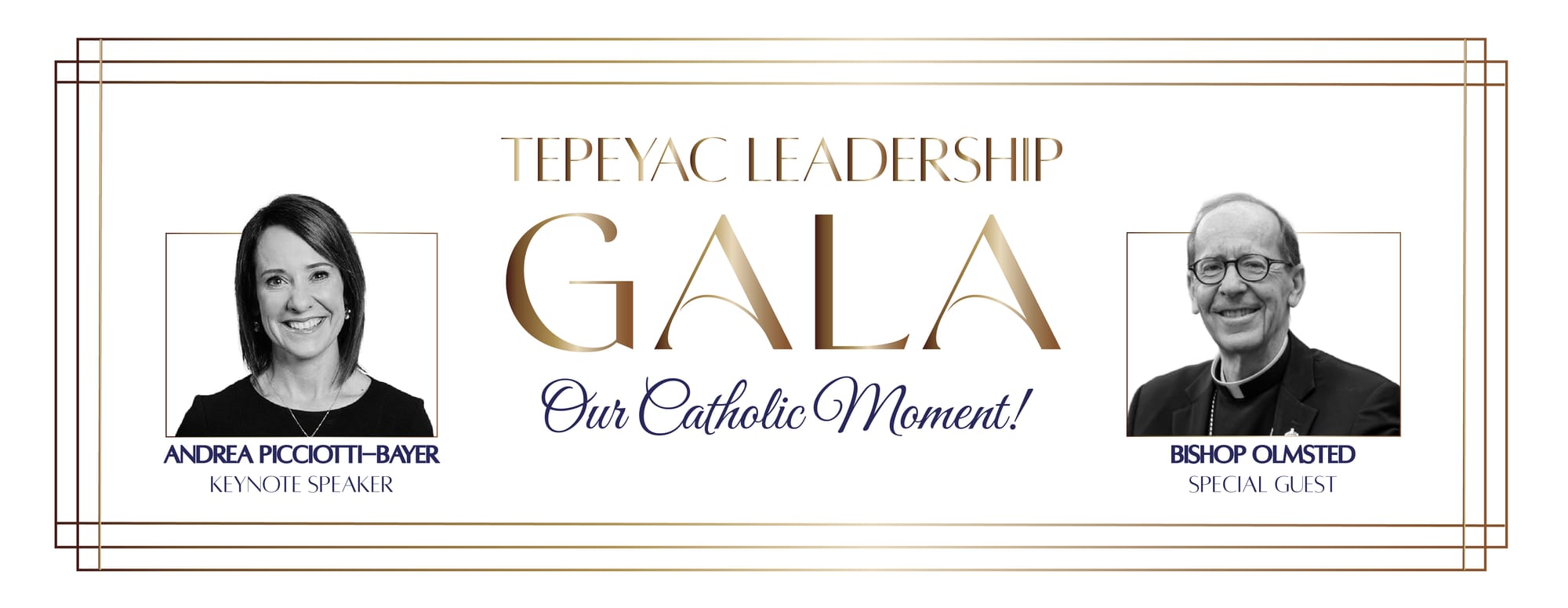
P.S. The countdown is on for the 2nd Tepeyac Leadership Gala, secure your tickets today by clicking below!