Table of Contents
As the 2026 FIFA World Cup unfolds across the United States, Canada, and Mexico, billions of people around the globe are bound together by a shared passion. For a few short weeks, the world speaks a single language, the language of the beautiful game. Yet, for Catholics, this massive cultural phenomenon offers more than mere entertainment. It provides a profound mirror for the Universal Church and a reminder of our collective calling to solidarity, virtue, and ethical leadership.
The Papal Playbook on Solidarity
The connection between Catholicism and soccer is historically deep. From St. John Paul II, who kept a lifelong club membership to FC Barcelona after celebrating Mass at their stadium in 1982, to Pope Francis, a devoted supporter of Argentina's San Lorenzo, the successors of St. Peter have long recognized the unique spiritual value inherent in sports.
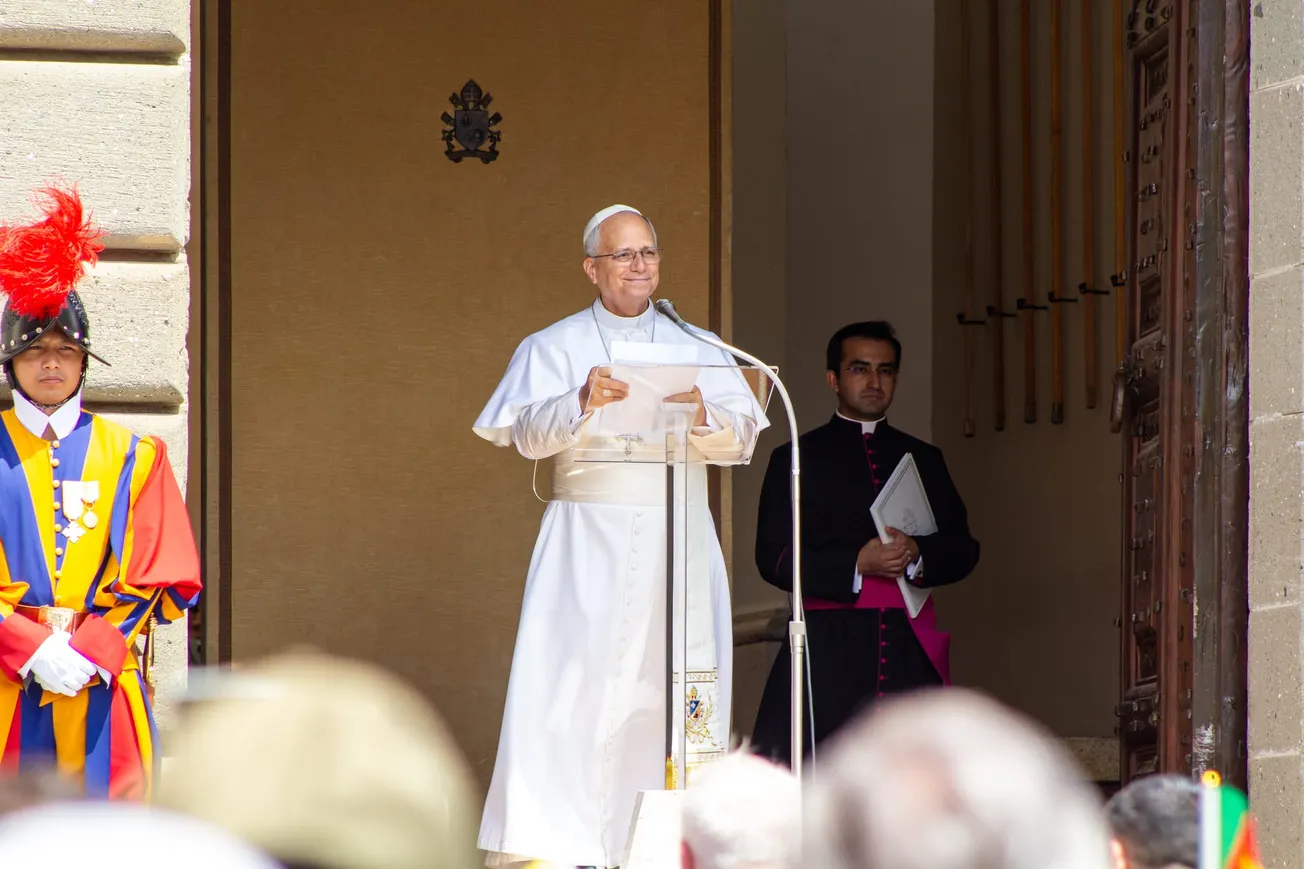
On the eve of this year’s expanded forty-eight team tournament, Pope Leo XIV beautifully articulated this relationship. Speaking to charitable organizations in Barcelona, the Pontiff offered a reflection that bridges the pitch and the pews, noting that soccer reminds us that life is not a race to show off on our own, but a path we learn to walk together. He observed that anyone who does not know how to pass the ball, even if they have talent, has not yet understood the game.
A Universal School of Fraternity
The Holy Father’s words capture the essence of what the Church terms solidarity. In a professional landscape that frequently rewards individualism and hypercompetition, soccer acts as a tangible parable. The greatest talent on Earth is useless if isolated. True victory requires the subjection of the ego to the common good of the team, a principle that lies at the very heart of Christian virtue and servant leadership.
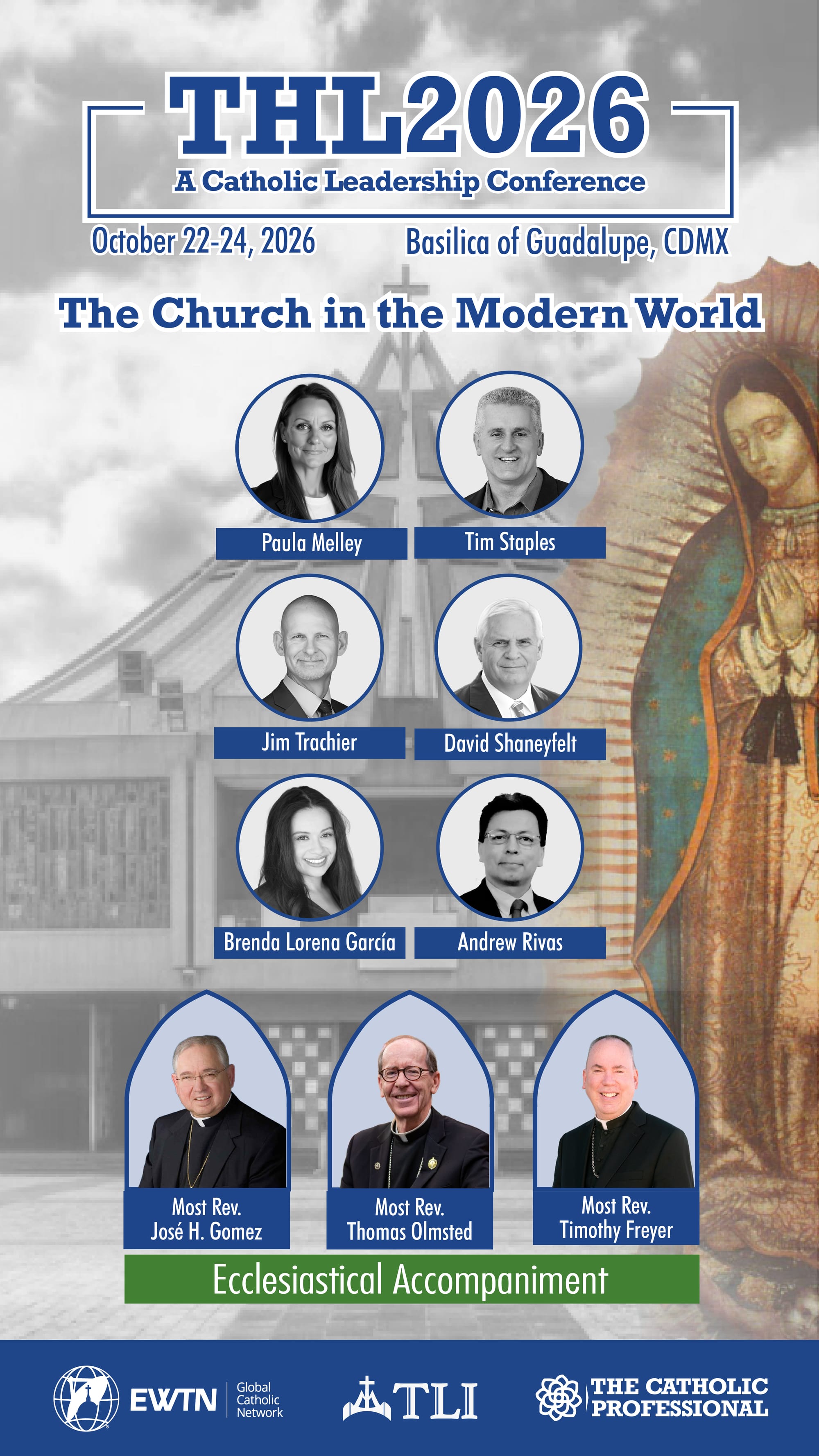
Ad: Discover the place where Our Lady of Guadalupe appeared to St. Juan Diego. See her image. And join Archbishop José Gómez, Bishop Thomas Olmsted and Bishop Timothy Freyer for The Hour of the Laity 2026 in Mexico City.
Furthermore, the word Catholic literally translates to universal. In an increasingly fractured world, few secular events mirror the global, multicultural tapestry of the Church quite like the World Cup. It brings together diverse nations, from soccer powerhouses to debut underdogs, in a spirit of mutual encounter. In his June prayer intention dedicated specifically to the values of sports, Pope Leo XIV prayed that athletics would serve as a school of fraternity and a space of encounter, not exclusion, a path of peace, not violence.
Ethical Leadership on and off the Pitch
However, looking at the World Cup through the lens of Catholic Social Teaching also demands ethical vigilance. As professional leaders, we cannot ignore that major sporting spectacles often grapple with systemic issues, including financial corruption, corporate greed, and the exploitation of vulnerable workers. The Church’s praise for the beauty of the sport always coexists with a call to justice. To truly appreciate the tournament is to celebrate the human dignity, joy, and unity of the fans and athletes, while simultaneously advocating for transparency and ethical responsibility among the governing bodies that orchestrate it.
Ultimately, soccer reminds us that human beings are wired for community, joy, and higher purpose. When we watch players sacrifice personal glory to lift up their teammates or see fans from opposing nations embracing in the stadium, we catch a glimpse of the fraternity God desires for all humanity. As we enjoy the historic matches of this World Cup, let us carry its finest lessons into our offices, parishes, and communities, to pass the ball, to value the team, and to walk the path of life together.
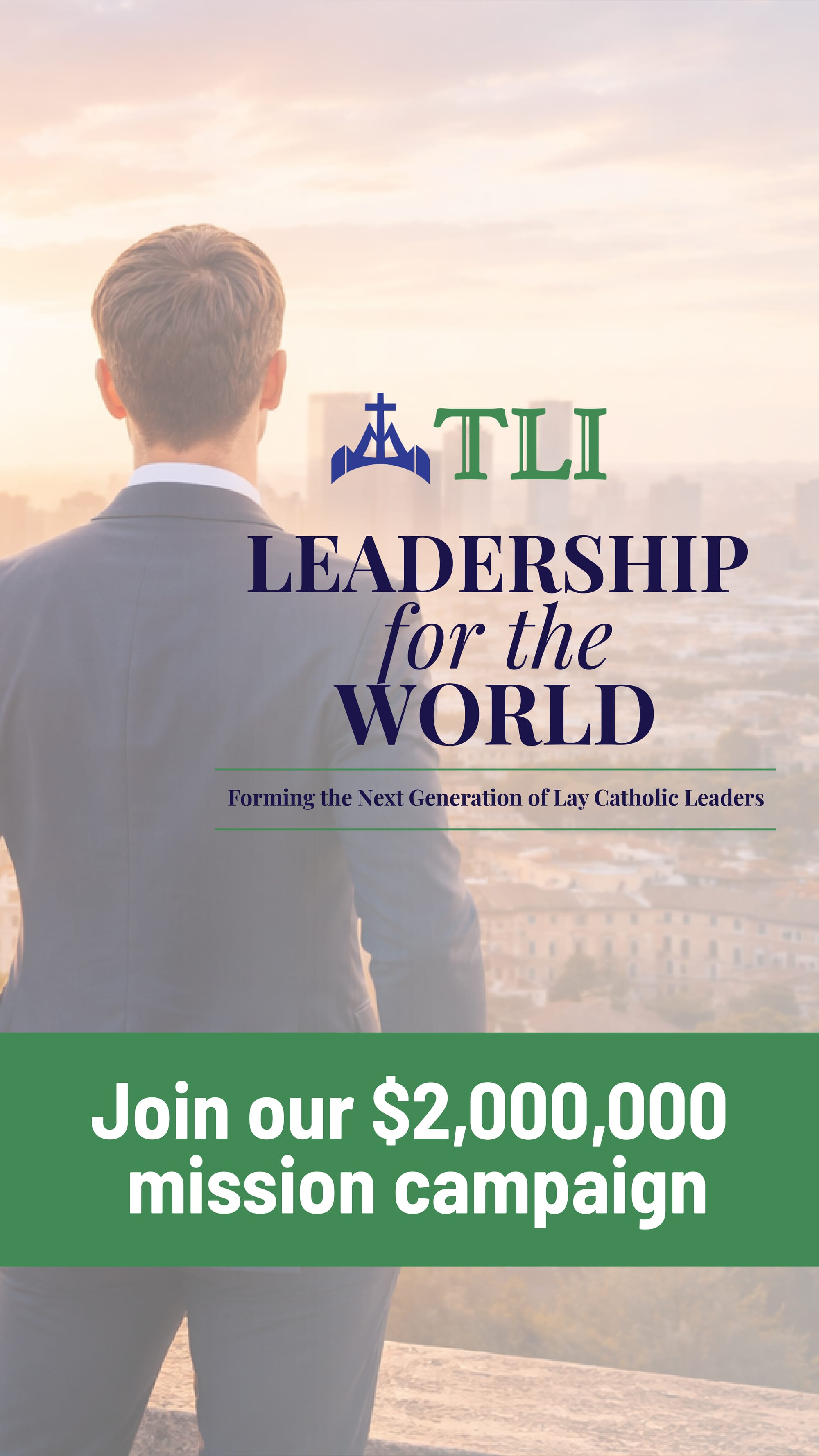
Ad: Tepeyac Leadership’s Leadership for the World is a $2 million, three year mission to form lay Catholic leaders for the public square. Without formation, others fill the void. Will you step in or step aside now, when it matters most?
Click to discover why THL2026 is a must-attend event!