Table of Contents
In a moment that has drawn both relief and renewed resolve, pro-life advocates in the United Kingdom are celebrating what many have called a significant victory. A proposed bill to legalize assisted suicide has failed to become law after running out of time in Parliament, despite earlier momentum and strong public debate.
This development offers more than a political update. It presents an opportunity for reflection on leadership, human dignity, and the responsibility of professionals to uphold truth in complex cultural moments.
A Legislative Battle Reflecting a Deeper Moral Question
The assisted dying bill had already passed the House of Commons and appeared poised for further progress. However, in the House of Lords, extensive scrutiny led to more than 1,200 amendments, ultimately preventing the bill from advancing before the parliamentary session ended.
This outcome was not merely procedural. It reflected serious concerns raised by lawmakers, medical professionals, and advocates about the ethical and practical implications of legalizing assisted suicide. Critics pointed to gaps in safeguards and the potential risks posed to vulnerable populations, including the elderly, disabled, and those experiencing psychological distress.
For Catholic professionals, this moment highlights a critical truth. Laws are not only instruments of governance. They are also teachers. What a society permits in law gradually shapes what it accepts in culture.
Protecting the Vulnerable in a Culture of Efficiency
One of the most compelling arguments raised by opponents of the bill centered on the protection of the vulnerable. Concerns were voiced that individuals might feel pressure to choose death rather than become a perceived burden to family or society.
This concern is not theoretical. In countries where assisted suicide has been legalized, debates continue over expanding eligibility criteria and ensuring genuine consent. The fear is that what begins as an option for extreme cases can evolve into a broader societal expectation.
Professionals today operate in environments driven by efficiency, cost management, and performance metrics. In such contexts, the inherent dignity of the human person can be subtly overshadowed. The rejection of this legislation serves as a reminder that true compassion is not measured by convenience, but by accompaniment and care.
The Role of Conscience in Public Life
Another striking aspect of this legislative process was the breadth of opposition. Dozens of members of the House of Lords raised concerns and proposed amendments, demonstrating that resistance was neither isolated nor marginal.
This reflects the enduring importance of conscience in public life. Professionals, whether in law, medicine, business, or public service, are not called to be passive participants in prevailing trends. They are called to engage thoughtfully, to question assumptions, and to act with integrity.
In the workplace, this may take the form of advocating for ethical policies, supporting colleagues in difficult circumstances, or resisting pressures that compromise human dignity. Leadership is often exercised not through grand gestures, but through quiet fidelity to what is right.
Hope Rooted in Witness
While proponents of assisted suicide have expressed disappointment and signaled their intention to continue pursuing legalization, the current outcome underscores the power of persistent witness.
Cultural change is rarely linear. It unfolds through moments of advance and resistance, shaped by the voices and actions of individuals willing to stand for truth. The pro-life movement in the United Kingdom has demonstrated that sustained advocacy, grounded in reason and compassion, can influence even the most contentious debates.
For Catholic professionals, this is a call to renewed engagement. The defense of life is not confined to legislative arenas. It is lived out daily in how we treat colleagues, serve clients, and make decisions that affect others.
A Call to Courageous Leadership
This recent development invites a broader question. What kind of culture are we helping to build through our professional lives?
A culture that values every human life, especially in moments of suffering, requires leaders who are willing to act with courage and clarity. It requires professionals who understand that dignity is not conditional, and that true progress never comes at the expense of the most vulnerable.
The failure of this legislation is not the end of the conversation. It is a reminder that the work of building a culture of life continues. And it is an invitation for each of us to take our place in that work, with conviction, humility, and hope.
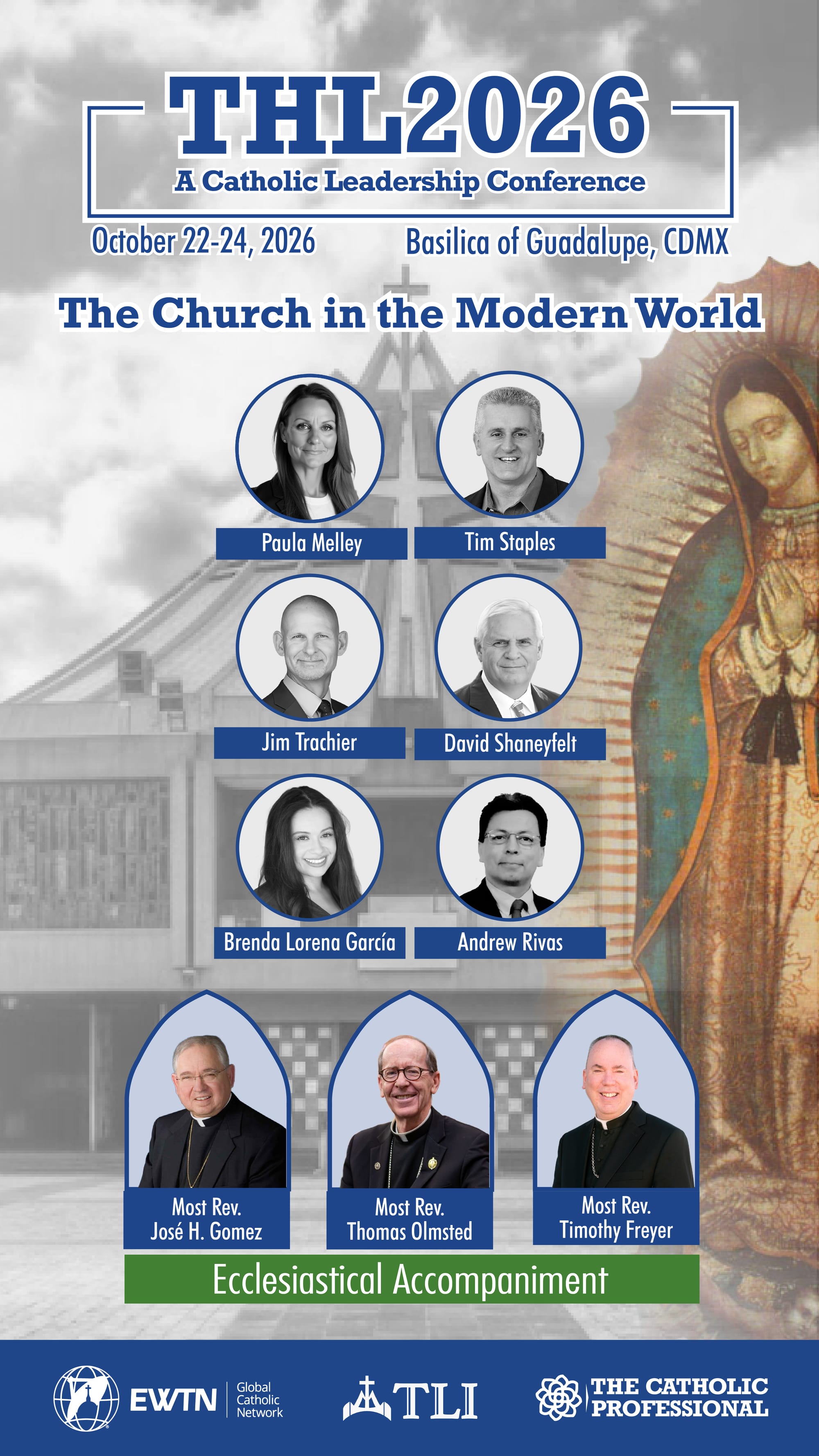
P.S. Discover the place where Our Lady of Guadalupe appeared to St. Juan Diego. See her image. And join Archbishop José Gómez, Bishop Thomas Olmsted and Bishop Timothy Freyer for The Hour of the Laity 2026 in Mexico City.