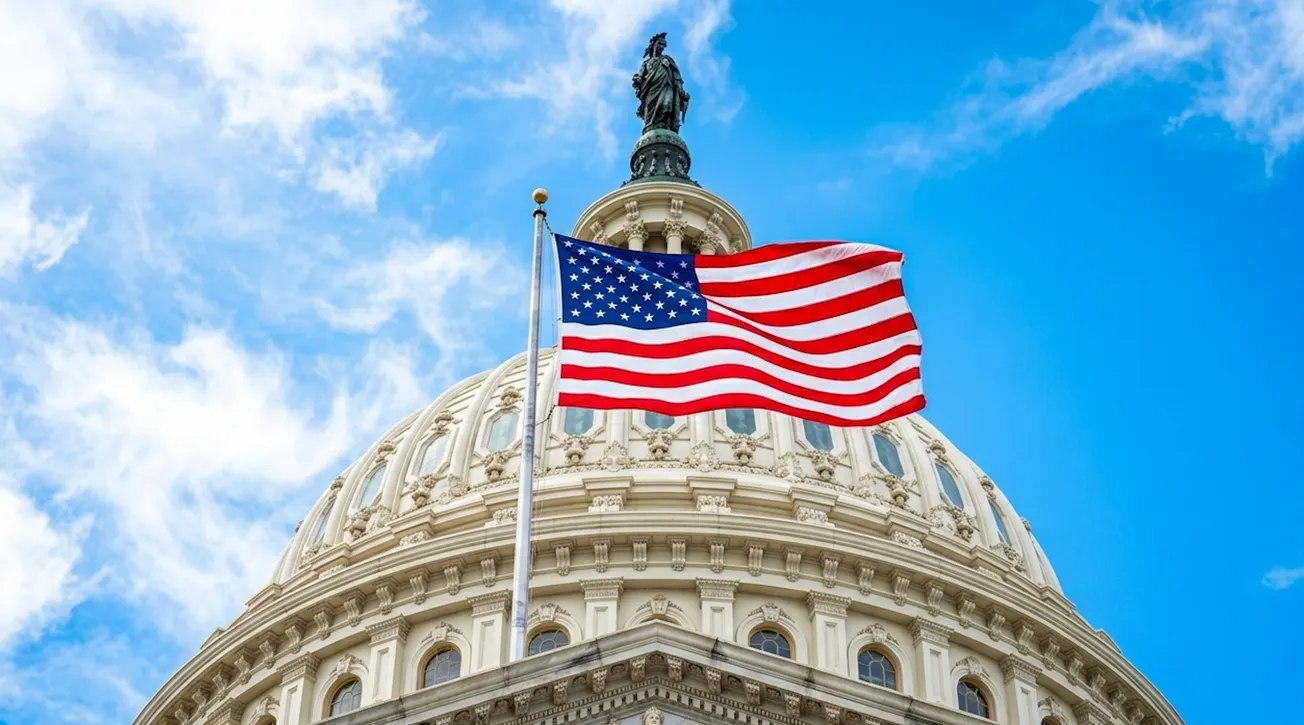
As the United States approaches the 250th anniversary of its founding in 2026, Americans are reflecting on the meaning of the nation’s past, present, and future. The commemoration known as America 250 is more than a patriotic milestone. It is also an invitation to reconsider the moral and spiritual foundations that shaped the American experiment. For Catholic in the U.S., this moment offers an opportunity to engage thoughtfully with America’s Christian heritage while helping renew the nation’s civic and moral culture for generations to come.
From the beginning, the American story has been deeply intertwined with Christianity. Although the Founding Fathers represented different denominations and convictions, they largely shared a belief that human rights come from God, not from governments. The Declaration of Independence famously affirms that all men “are endowed by their Creator with certain unalienable Rights.” This principle distinguished the American vision from purely secular political systems rooted only in state authority or shifting public opinion.
A Nation Formed by Christian Moral Vision
America’s early institutions were heavily shaped by biblical principles and Christian moral teachings. Concepts such as the dignity of the human person, equality before the law, the importance of virtue, and the responsibility of citizens to pursue the common good all bear the imprint of Christian civilization.
Even the structure of American freedom depended upon moral assumptions. John Adams famously warned that the Constitution was made “only for a moral and religious people.” The Founders understood that liberty without virtue would eventually collapse into disorder or tyranny. Faith communities, churches, and religious schools played an essential role in cultivating the character necessary for self-government.
Catholics themselves once occupied a complicated place in American society. In the nineteenth century, anti-Catholic prejudice was widespread, and Catholics were often viewed with suspicion. Yet over time, Catholic immigrants and their descendants became deeply woven into the fabric of American life. They built churches, hospitals, universities, charities, and businesses that strengthened communities across the nation.
Today, Catholic professionals inherit that legacy. They are called not only to succeed in their fields, but also to contribute to the moral and spiritual renewal of society.
Remembering Both Achievement and Failure
An honest reflection on America’s history must include both gratitude and humility. The nation has accomplished extraordinary things, including advances in constitutional government, religious liberty, scientific innovation, and economic opportunity. America has also been a force for defending freedom around the world.
At the same time, the nation’s history includes grave moral failures. Slavery, racial injustice, violence against Native peoples, and the erosion of family and community life remind us that no nation perfectly embodies its founding ideals. Christians should resist both blind nationalism and cynical rejection of the American experiment.
Patriotism, rightly understood, is neither naïve nor ideological. It is a form of gratitude and responsibility. Catholics can love their country while also recognizing a continuous need to order society towards God.
This balanced perspective is especially important in today’s polarized political climate. America 250 should not become merely a partisan celebration or a battleground for competing ideological narratives. Instead, it can become a moment of civic renewal grounded in truth, virtue, and shared responsibility.
The Responsibility of Catholic Professionals
Catholic professionals occupy a unique position in this national moment. Whether working in business, education, healthcare, law, media, or public service, they help shape the culture in visible and lasting ways.
The challenges facing modern America are not merely political or economic. They are fundamentally spiritual. Loneliness, declining trust, confusion about human identity, attacks on religious freedom, and the weakening of moral consensus reveal a deeper crisis of meaning.
This is precisely where faithful Catholic leadership matters. The Church teaches that laypeople are called to sanctify the temporal order from within. Catholic professionals are not meant to retreat from public life, but to transform it through integrity, excellence, charity, and courage.
As America approaches its semi quincentennial, Catholics should ask not only what kind of nation America has been, but what kind of nation it should become. The answer will depend largely on whether citizens recover the virtues necessary for authentic freedom.
Looking Toward the Next 250 Years
The America of 1776 was imperfect, but it was animated by enduring truths about human dignity and moral responsibility. Those truths remain essential today. If the nation is to flourish in the next century, it will require leaders who understand that freedom cannot survive apart from virtue, and that democracy ultimately depends upon a moral people.
America 250 is therefore more than a historical anniversary. It is a call to renewal. For Catholic professionals, it is a reminder that faith and citizenship are not opposing loyalties. Properly lived, they strengthen one another in service to the common good and the enduring promise of liberty under God.
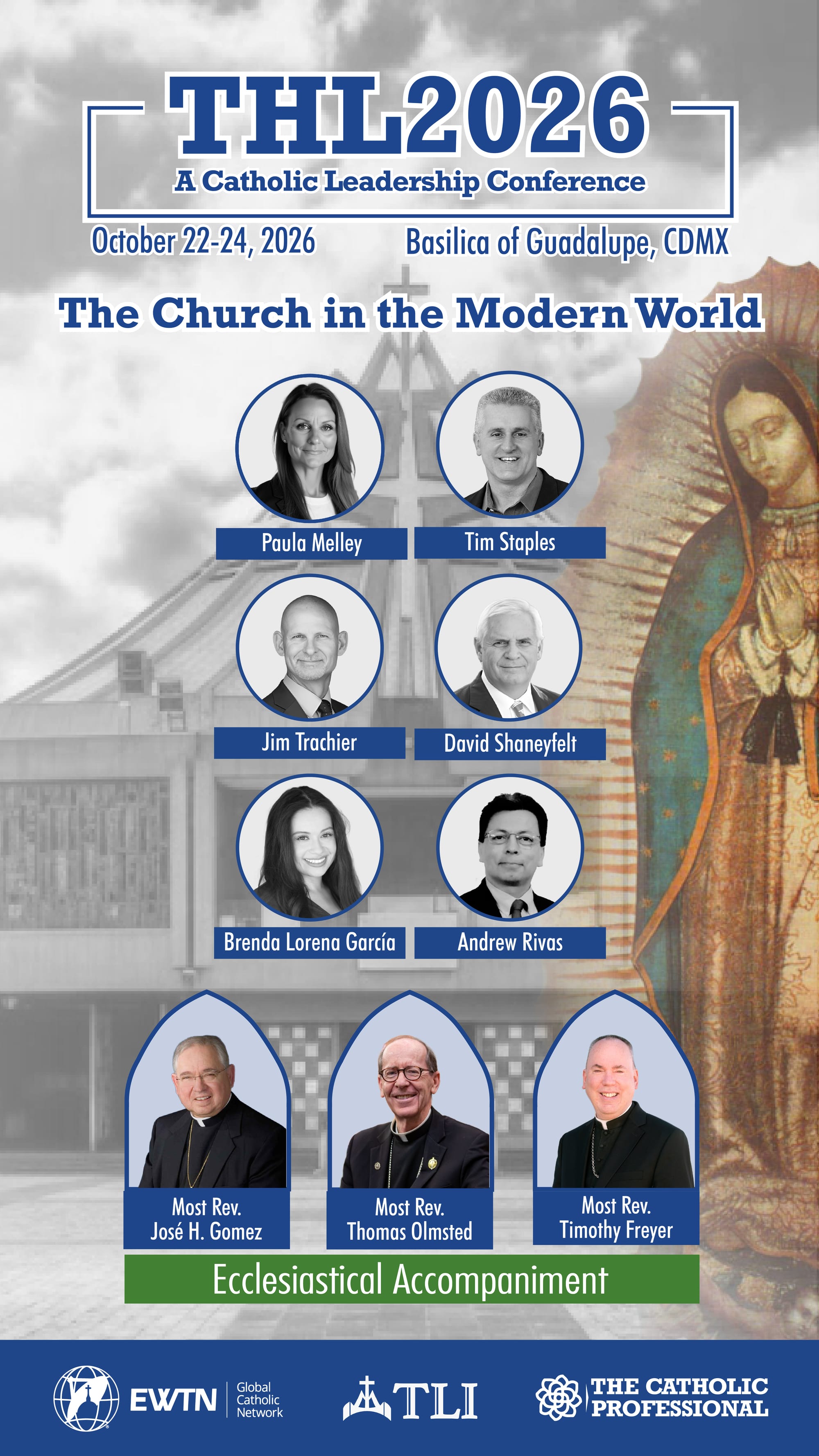
P.S. Discover the place where Our Lady of Guadalupe appeared to St. Juan Diego. See her image. And join Archbishop José Gómez, Bishop Thomas Olmsted and Bishop Timothy Freyer for The Hour of the Laity 2026 in Mexico City.