Table of Contents
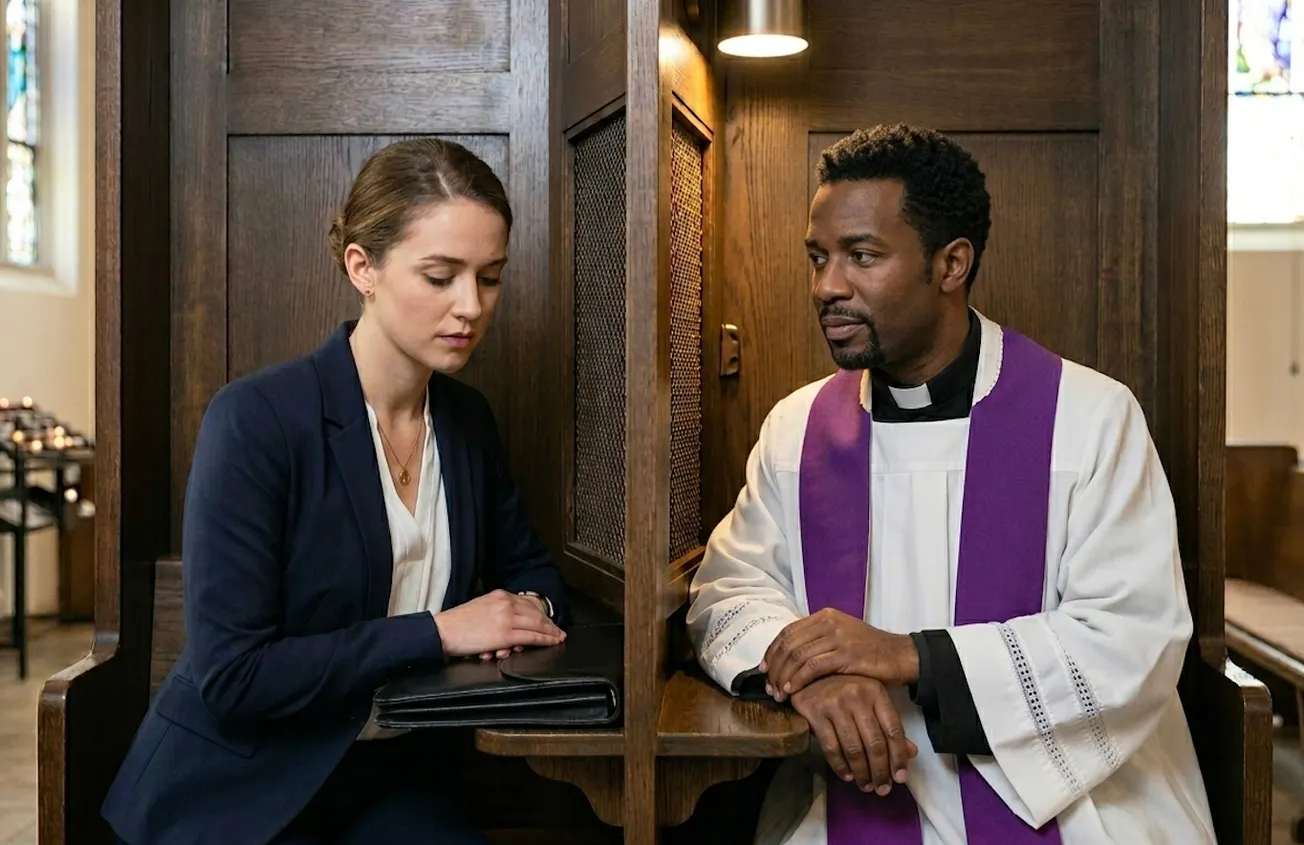
One of the most common questions about Catholic practice concerns Confession. At first glance, it can seem unnecessary or even confusing: if God already knows our sins and is the one who forgives, why involve a priest at all?
The Catholic answer begins with a clear foundation: in Confession, it is always God who is being approached, and it is always God’s forgiveness that is received. The priest is never the source of forgiveness, but the visible instrument Christ chose to make His mercy concrete and audible in our lives.
God as the True Source of Forgiveness
Sacred Scripture is unambiguous that forgiveness belongs to God alone. Psalm 130:4 declares, “With you is forgiveness, that you may be revered.” Likewise, Mark 2:7 records the Pharisees correctly stating that only God can forgive sins. Catholics fully affirm this truth.
This is precisely why Confession is fundamentally directed toward God. The penitent confesses to Him, seeks His mercy, and receives His pardon. The entire sacrament depends on divine action, not human power.
Christ Establishes a Visible Ministry of Forgiveness
At the same time, the New Testament reveals something striking: God chooses to exercise His forgiveness through human instruments.
In John 20:22–23, the risen Christ breathes on the apostles and says, “Receive the Holy Spirit. Whose sins you forgive are forgiven them, and whose sins you retain are retained.” This is not the apostles acting on their own authority. It is Christ sharing His divine mission of reconciliation with them.
Here, forgiveness is still God’s act, but it is entrusted to the apostles as ministers. The authority is real, yet entirely dependent on Christ.
Saint Paul expresses this same mystery in 2 Corinthians 5:18–20, where he teaches that “God… gave us the ministry of reconciliation” and that the apostles act as “ambassadors for Christ.” The message is clear: God reconciles, but He does so through human messengers He appoints.
Confession in the Life of the Early Church
This understanding is not a later development. The early Christian community practiced confession in a visible, communal form. James 5:16 instructs believers: “Confess your sins to one another and pray for one another, that you may be healed.”
From the beginning, reconciliation with God was never seen as purely private and invisible. It involved the Church, prayer, and the mediation of those entrusted with pastoral authority.
Over time, this practice developed into the sacramental form of Confession we know today, but the essential structure remained: sin is confessed to God, and God’s forgiveness is received through the ministry He established.
The Priest as Instrument, Not Source
A key point of Catholic teaching is often misunderstood. The priest does not forgive sins by his own power. Instead, he acts in persona Christi, in the person of Christ.
This means that when the priest speaks the words of absolution, it is Christ Himself who is forgiving. The priest is an instrument, much like a messenger who delivers a royal pardon. The authority belongs entirely to Christ, but He chooses to make His mercy present through human speech and presence.
This preserves both truths at once: God alone forgives, and God truly forgives through the sacrament He instituted.
Why This Matters Spiritually
Confession is not simply about telling God something He already knows. It is about receiving what He alone can give: healing, reconciliation, and restored communion.
By using a priest, Christ gives a tangible expression of His mercy. The words of forgiveness are heard, not merely assumed. The grace is received in a concrete encounter within the life of the Church He founded.
Ultimately, Catholic Confession is not a barrier between the soul and God. It is a path Christ established so that His own forgiveness can be encountered personally, clearly, and sacramentally. In every Confession, the true encounter is always with God Himself, who speaks His mercy through the ministry of His Church.
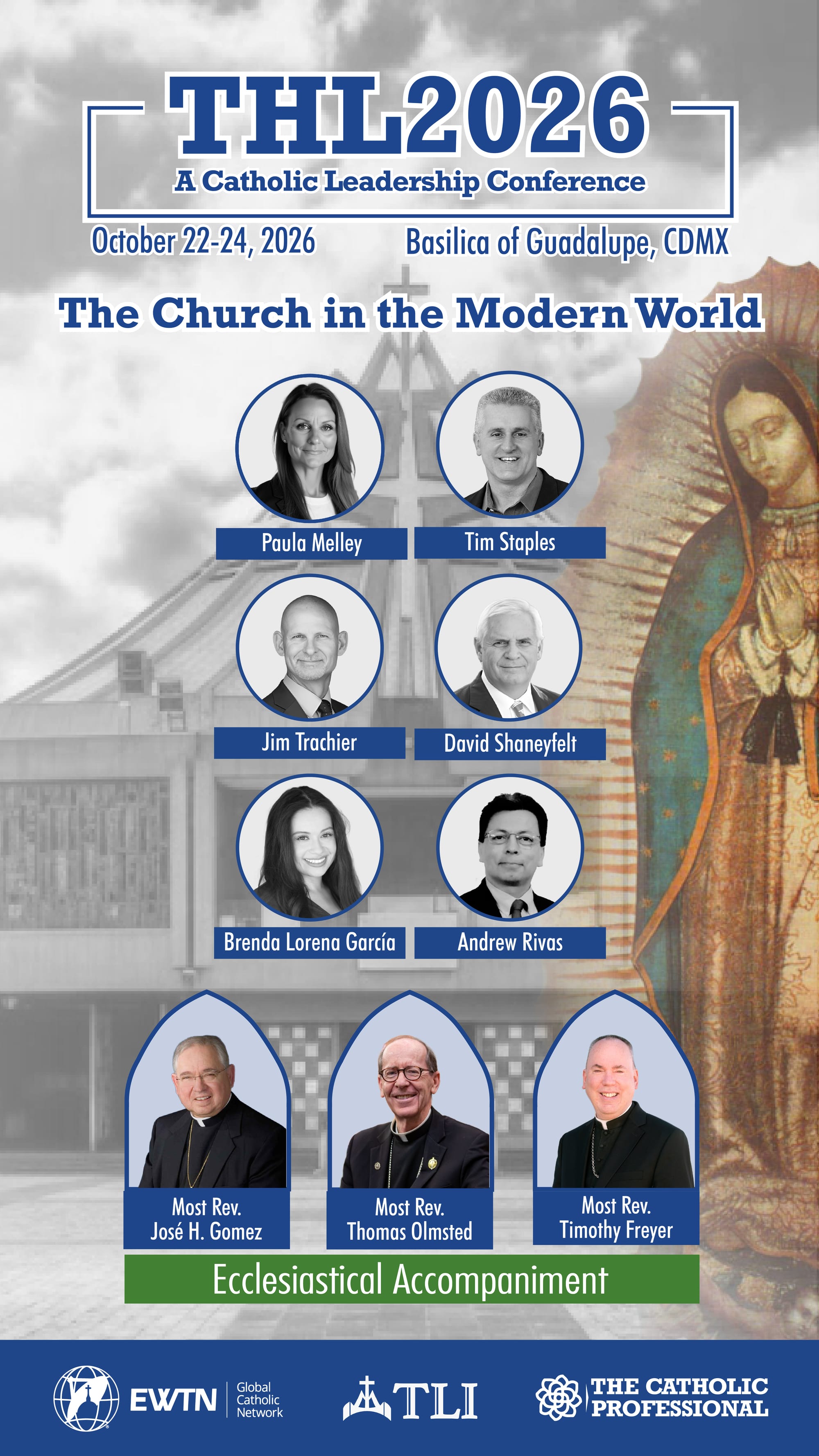
P.S. Discover the place where Our Lady of Guadalupe appeared to St. Juan Diego. See her image. And join Archbishop José Gómez, Bishop Thomas Olmsted and Bishop Timothy Freyer for The Hour of the Laity 2026 in Mexico City.