Table of Contents
The Vatican’s decision to convene a global summit on the crisis of marriage is more than a pastoral initiative. It is a signal that one of the most foundational institutions of both Church and society now requires renewed clarity, confidence, and leadership.
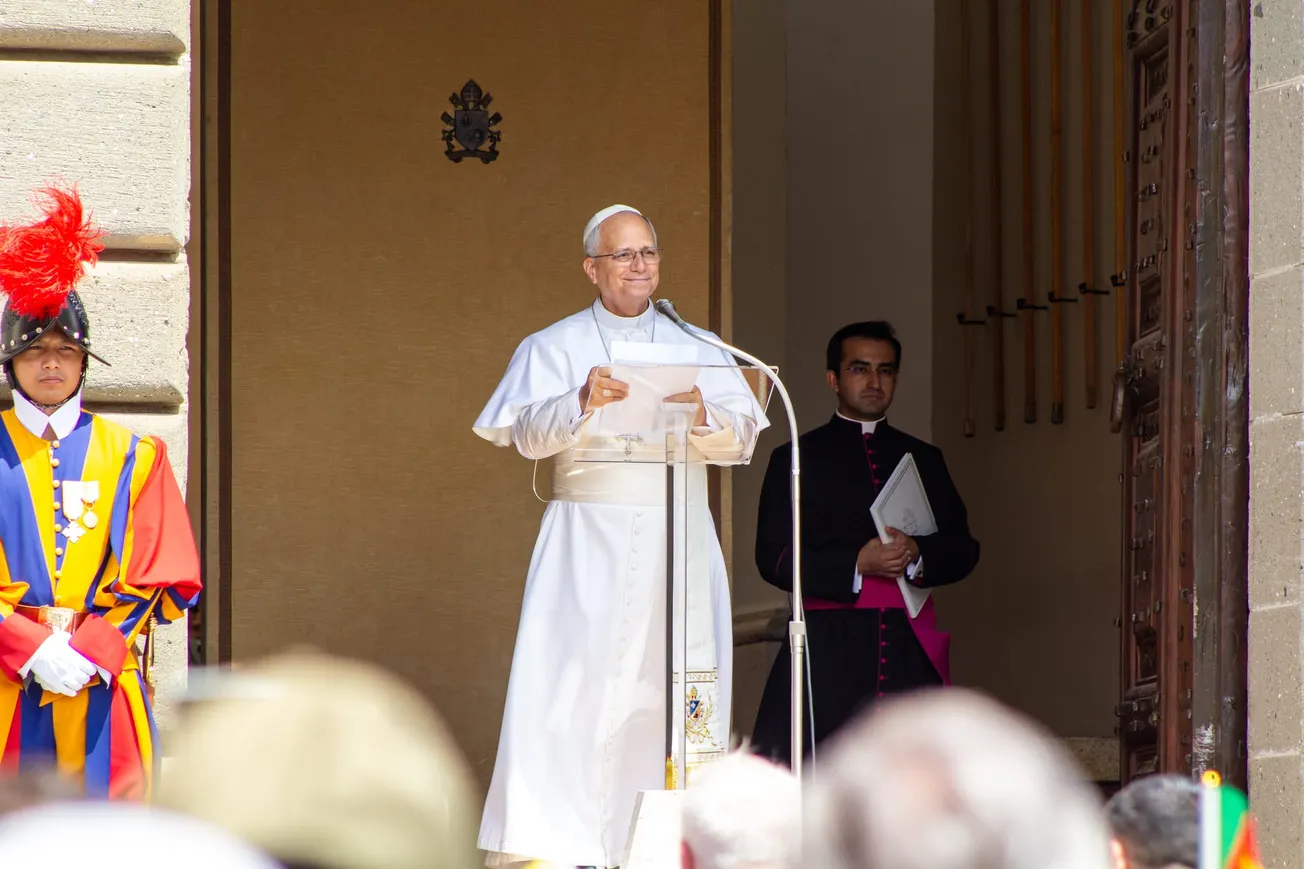
Pope Leo XIV is preparing an October gathering in Rome that will bring together presidents of bishops’ conferences from around the world. The purpose is direct and urgent: to respond to what the Holy Father sees as a growing marriage crisis affecting both faith and culture.
This moment deserves the attention not only of pastors, but of Catholic professionals who live their vocation in the heart of the world.
A Crisis Rooted in Fear and Fragmentation
At the center of this initiative is a sober diagnosis. The Church is not only responding to broken marriages, but also to a deeper cultural hesitation toward marriage itself. Increasingly, young people are delaying or avoiding the commitment altogether, often driven by fear, instability, or a loss of confidence in lifelong fidelity.
This hesitation reflects broader societal patterns. Economic uncertainty, shifting cultural norms, and the redefinition of relationships have contributed to a fragmentation of the family. Yet the Church’s response is not merely sociological. It is theological and vocational.
Pope Leo XIV has emphasized that marriage remains one of the noblest and highest vocations given by God. This framing is essential. The crisis is not simply that fewer people are marrying. It is that fewer people understand marriage as a calling rooted in self-gift, sacrifice, and sanctification.
A Global Response with Local Implications
The October summit is designed to be global in scope, but its impact will be intensely local. By gathering episcopal leaders from around the world, the Vatican is seeking not only diagnosis but renewal in pastoral strategy.
This includes how the Church prepares couples for marriage, accompanies them through difficulties, and presents the beauty of family life in a compelling way.
For Catholic professionals, this raises an important question. How is the witness of marriage reflected in the environments where we work, lead, and influence?
Too often, professional culture reinforces the very anxieties that undermine family life. Long hours, transactional relationships, and a relentless focus on productivity can unintentionally marginalize the vocation of marriage. The summit’s vision challenges this dynamic by calling for a reintegration of personal vocation and professional mission.
Truth, Mercy, and the Path Forward
The Church’s engagement with the marriage crisis is not new, but it is entering a renewed phase. Pope Leo XIV has signaled continuity with the pastoral approach of his predecessors, particularly in emphasizing accompaniment, dialogue, and the lived realities of families.
At the same time, this approach does not abandon clarity. The Church continues to uphold marriage as a faithful, lifelong union ordered toward the good of spouses and the raising of children.
The challenge, then, is not choosing between truth and mercy, but embodying both with integrity. For Catholic professionals, this balance is familiar. It mirrors the tension between conviction and compassion, principle and relationship, that defines effective leadership.
The credibility of the Church’s teaching on marriage will depend not only on what is proclaimed, but on how it is lived. This is where lay leadership becomes indispensable.
A Call to Professional Witness
The upcoming summit is ultimately an invitation. It is a call to rediscover marriage not as a private arrangement, but as a public witness with profound social consequences.
Catholic professionals are uniquely positioned to respond. In boardrooms, classrooms, and communities, they can model a vision of commitment that resists the culture of disposability. They can advocate for policies and practices that support family life. And perhaps most importantly, they can live marriages that reflect stability, generosity, and hope.
The renewal of marriage will not come from a single summit, however significant. It will come from countless daily decisions to love faithfully, to persevere through difficulty, and to see vocation as mission.
Renewing the Foundations
If marriage is indeed one of the highest callings, then its crisis touches everything built upon it. The Church’s response, now taking shape at the highest levels, invites a corresponding response from the laity.
This is not a peripheral issue. It is a foundational one.
And for those called to lead in the professional world, it may be one of the most important opportunities of our time to align faith, work, and witness in a way that rebuilds both the Church and the culture from the inside out.
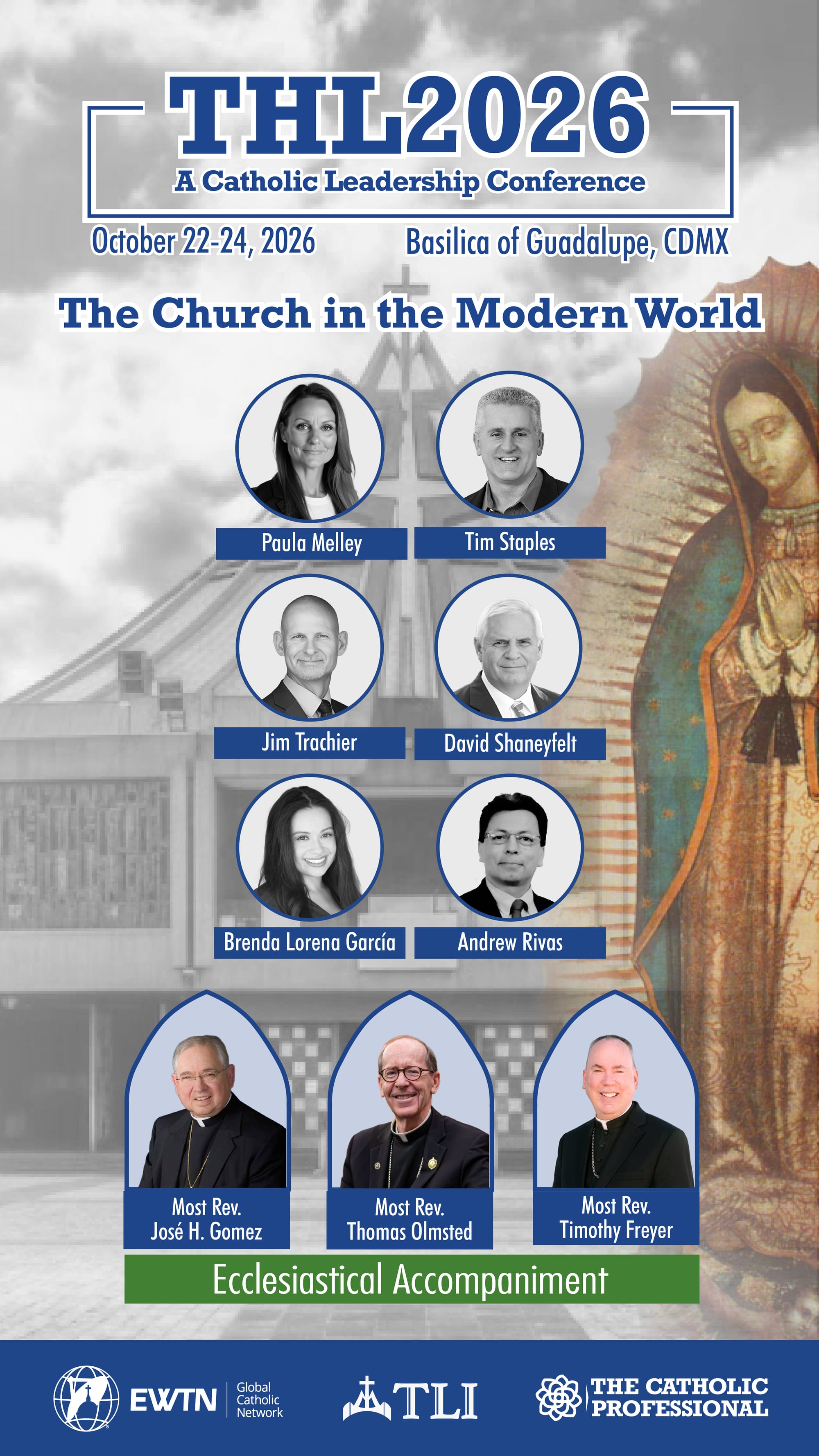
P.S. Discover the place where Our Lady of Guadalupe appeared to St. Juan Diego. See her image. And join Archbishop José Gómez, Bishop Thomas Olmsted and Bishop Timothy Freyer for The Hour of the Laity 2026 in Mexico City.