Table of Contents
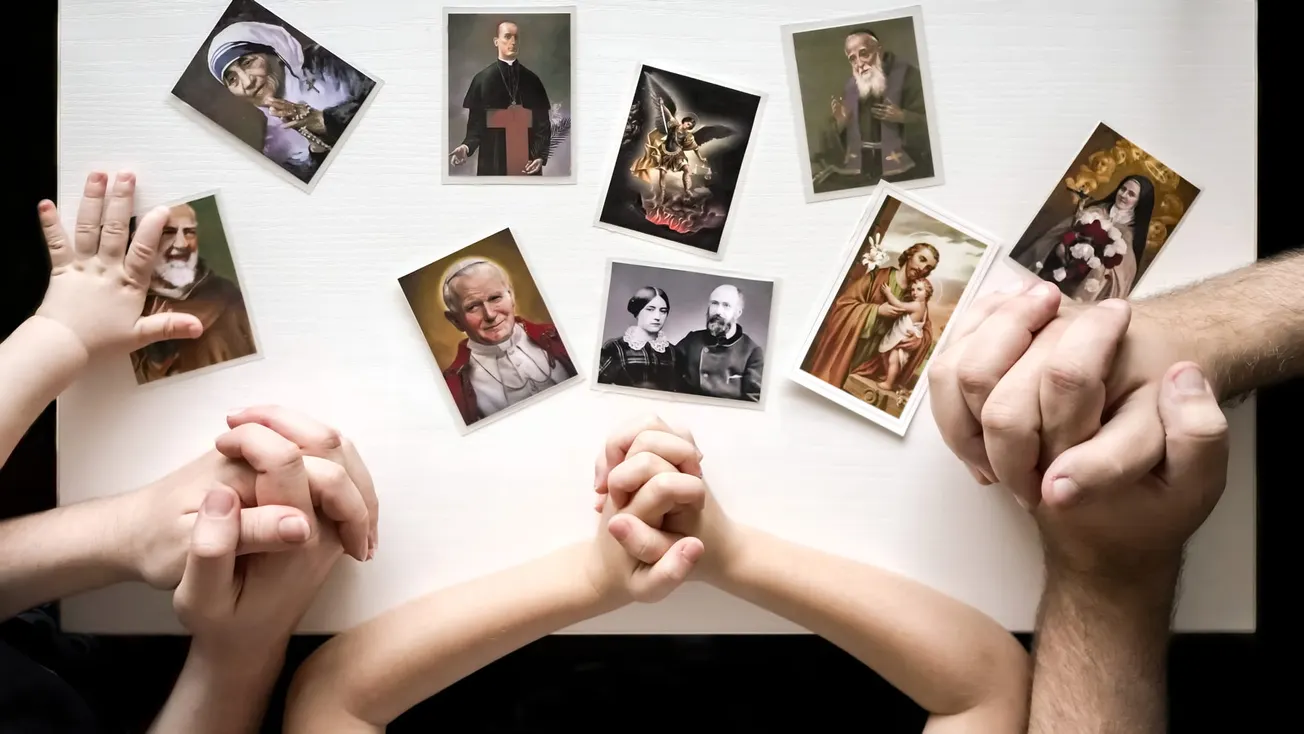
One of the most common questions in Catholic apologetics is why Catholics ask Mary and the saints for prayer. A helpful way to understand this practice is to begin with something most Christians already do: asking other believers to pray for them. From there, the logic extends naturally to the full communion of the Church, which includes those who have died in Christ.
Intercession Within the Body of Christ on Earth
The New Testament repeatedly encourages Christians to pray for one another. Saint Paul writes, “I urge, then, first of all, that petitions, prayers, intercession and thanksgiving be made for all people” (1 Timothy 2:1). He also makes direct requests for prayer: “Brothers and sisters, pray for us” (1 Thessalonians 5:25).
This is not symbolic language. It reflects ordinary Christian life. When someone asks a friend, a pastor, or a member of their parish to pray for them, they are not bypassing God. They are asking another believer to join them in bringing a need before God. Scripture confirms this cooperation: “The prayer of a righteous person is powerful and effective” (James 5:16).
What Changes After Death and What Does Not
Catholic belief holds that death does not sever membership in Christ. Jesus says, “He is not the God of the dead, but of the living, for to him all are alive” (Luke 20:38). Those who die in Christ remain alive in Him, not as distant figures, but as part of His living Body.
This is why Catholics extend intercessory prayer beyond earthly relationships. If it is good and biblical to ask a faithful Christian on earth to pray for you, and if those who die in Christ are still alive in Him, then intercession does not end at death. It continues within the same family of faith.
Saint Paul describes this unity: “You are no longer foreigners and strangers, but fellow citizens with God’s people and also members of his household” (Ephesians 2:19). The household of God includes both those on earth and those in heaven.
A Clear Clarification About What Catholics Mean
It is important to state this clearly. Catholics do not pray to the saints for miracles, and they do not treat them as divine beings. Catholics know the saints are human beings, not God. All prayer is ultimately directed to God alone.
When Catholics ask Mary or the saints for help, they are asking for intercession. They are saying, in effect, pray with me and for me, so that God may act in my life according to His will. The saints do not have independent power apart from God. Any grace or miracle comes from Him alone.
This is the same dynamic that exists when asking a friend or pastor for prayer, only now understood within the fullness of the Church. The saints are not substitutes for God, but fellow members of His family who are already perfectly united to Him.
Heaven as a Living Communion
Scripture describes heaven as an active communion of persons in Christ. “You have come to Mount Zion, to the city of the living God, the heavenly Jerusalem… and to the spirits of the righteous made perfect” (Hebrews 12:22 to 23). These “spirits made perfect” are not disconnected from the Church but are part of its fulfilled reality.
Revelation also presents heavenly participation in prayer: “The twenty-four elders fell down before the Lamb… and they were holding golden bowls full of incense, which are the prayers of God’s people” (Revelation 5:8). The image is one of shared worship and intercession before God.
Christ as the One Mediator
Catholic teaching fully affirms that Christ alone is the mediator of salvation. “There is one God and one mediator between God and mankind, the man Christ Jesus” (1 Timothy 2:5). Every form of intercession flows through Him and depends entirely on His saving work.
The intercession of saints does not compete with Christ. It participates in His mediation, just as all Christian prayer does. Whether on earth or in heaven, all intercession is grounded in Christ’s unique role.
A Larger Family Than We See
Scripture speaks of this broader reality: “Since we are surrounded by such a great cloud of witnesses, let us throw off everything that hinders” (Hebrews 12:1). The Church is not limited to what is visible.
Asking the saints for prayer is therefore not a departure from Christian belief, but an extension of it. It reflects a Church that is one family in Christ, where love, prayer, and communion continue beyond death, always directed toward God, who alone answers every prayer.
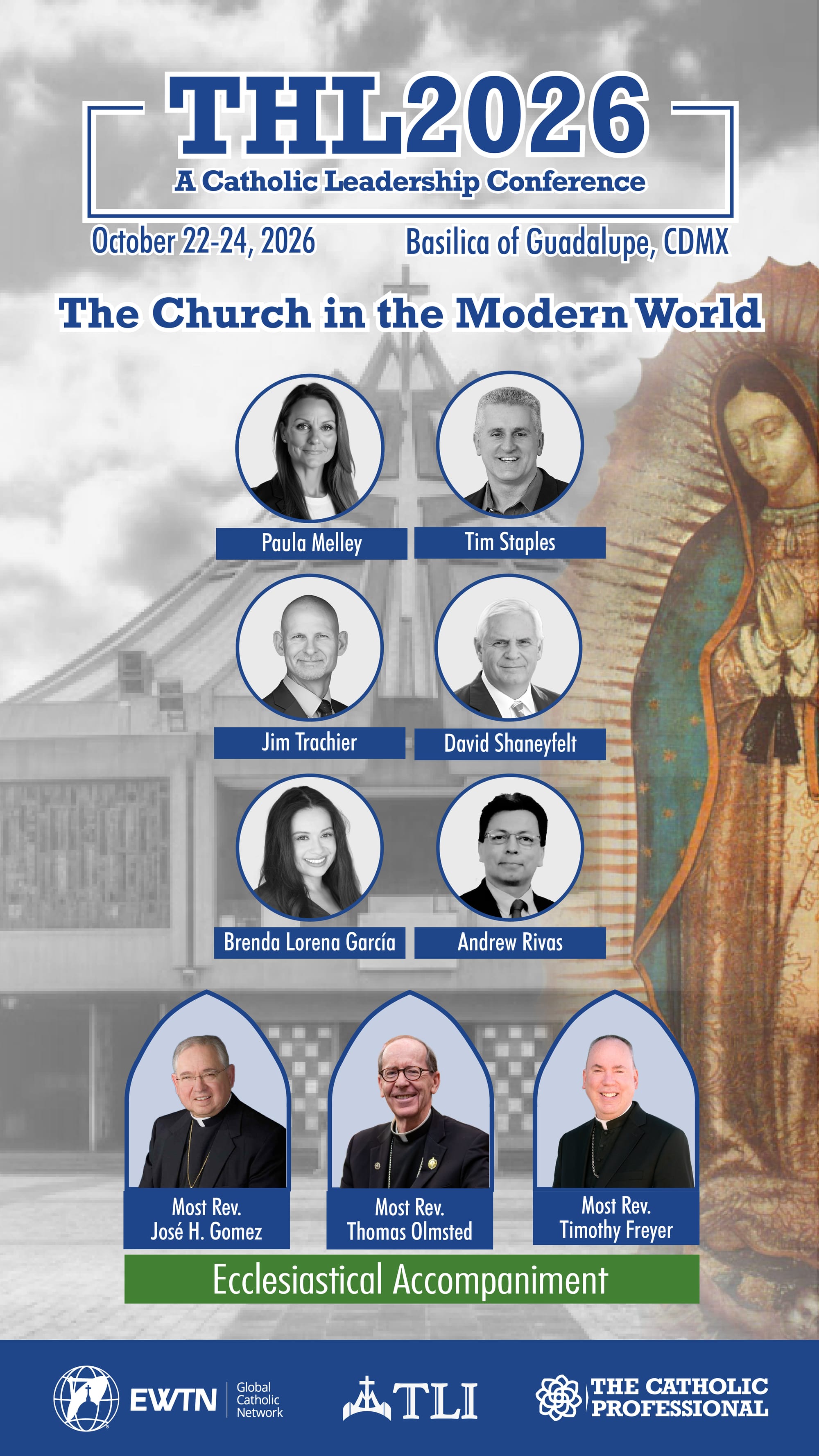
P.S. Discover the place where Our Lady of Guadalupe appeared to St. Juan Diego. See her image. And join Archbishop José Gómez , Bishop Thomas Olmsted and Bishop Timothy Freyer for The Hour of the Laity 2026 in Mexico City.