
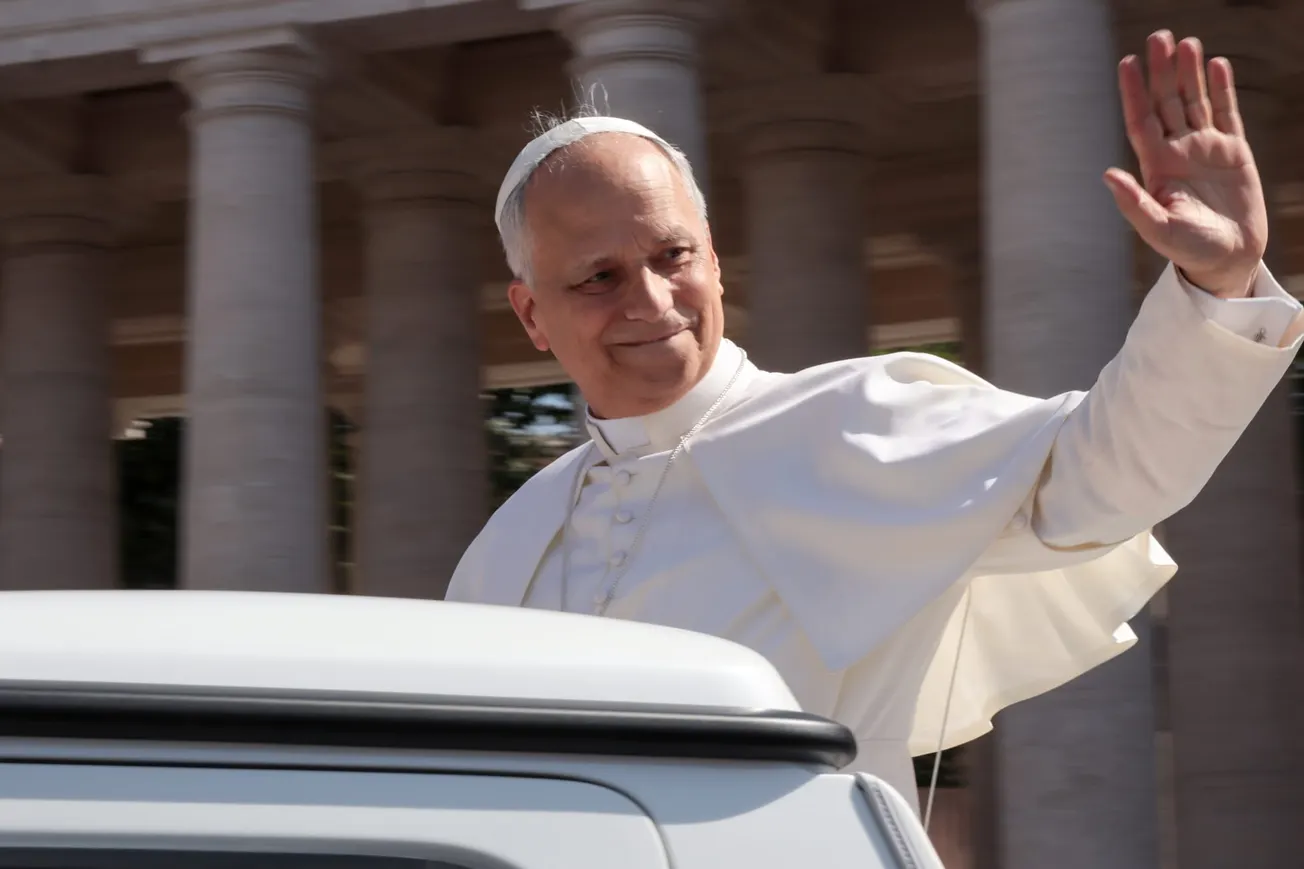
Pray for the Pope
While medical professionals have shared an encouraging and positive outlook given the success of the procedure, any time the Pope faces a health challenge, it naturally brings concern to the universal Church.
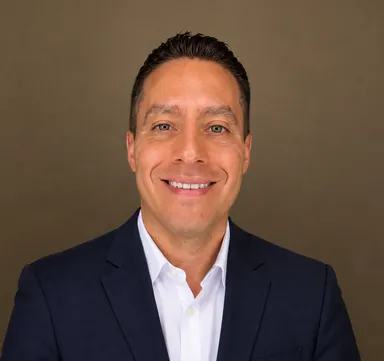
Author, CEO of Tepeyac Leadership, Inc., a global non-profit organization dedicated to civic leadership development for lay Catholic professionals. Follow me on Instagram!
While medical professionals have shared an encouraging and positive outlook given the success of the procedure, any time the Pope faces a health challenge, it naturally brings concern to the universal Church.

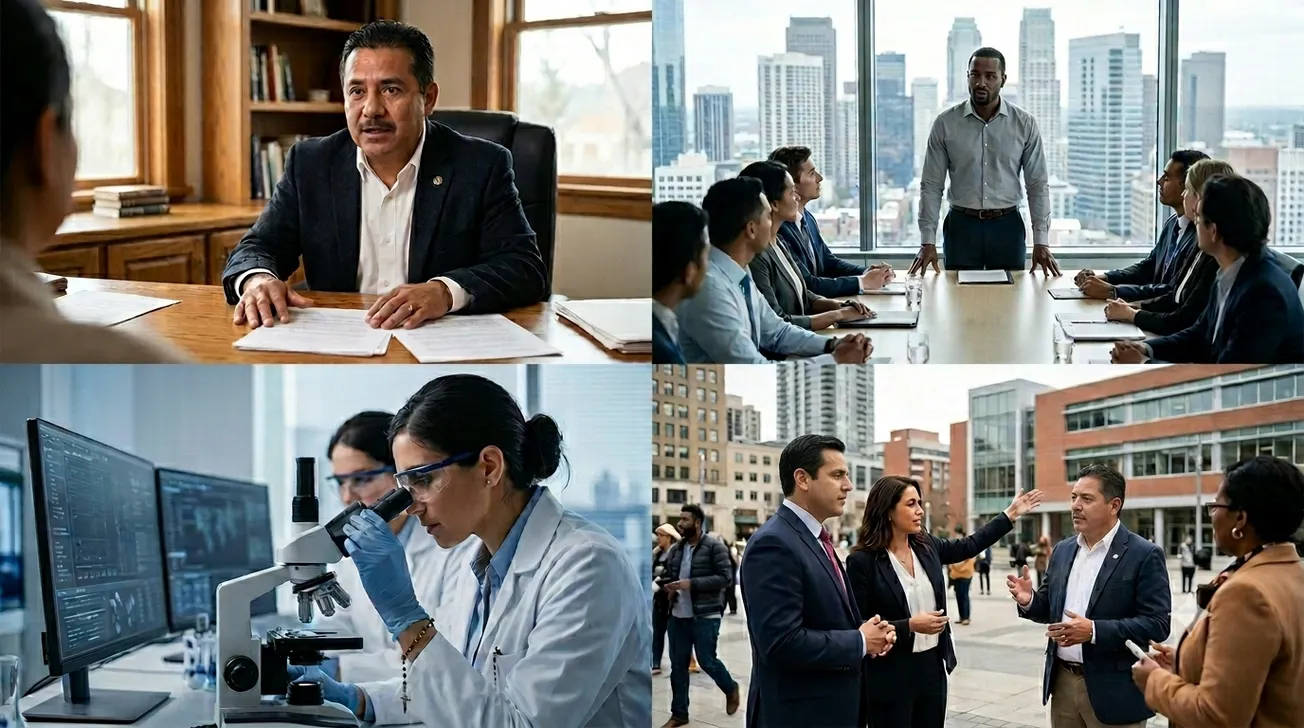
Legal precedents, cultural shifts, and societal values do not change by accident. They change when the lay faithful step up as attorneys, judges, policymakers, healthcare executives, and civic leaders to defend truth in the public arena.
When we integrate our Catholic faith into fields like business, law, healthcare, education, media, and governance, we become active instruments of this divine cultural renewal.
"The temple that Our Lady wants is a spiritual temple that is built out of the 'living stones' of our lives," - Archbishop José H. Gomez

Through our daily efforts, we actively participate in God’s ongoing creation. Work is not merely what we do; it is the domain in which we sanctify ourselves and transform the world.
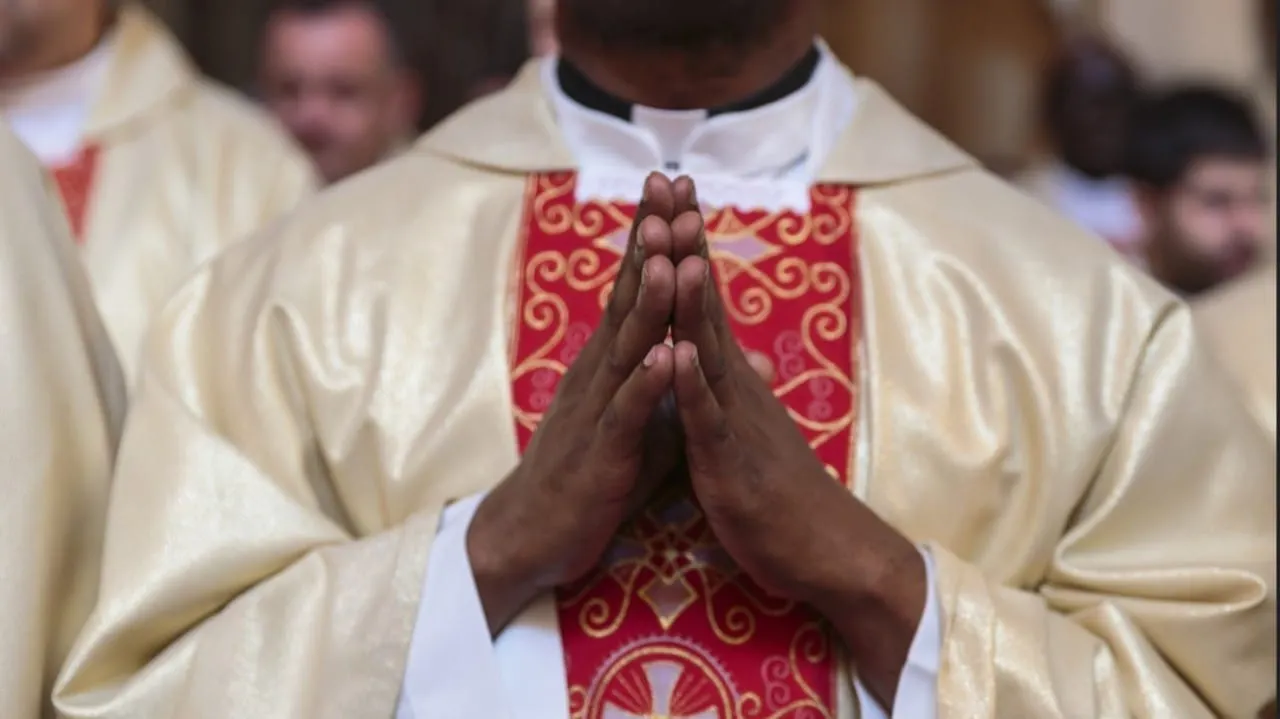
Amid headlines dominated by global conflict, division, and uncertainty, we often hear narratives suggesting that faith is in decline. Yet, if we look closely, God is continually working in quiet, extraordinary ways, often in places where we least expect it.
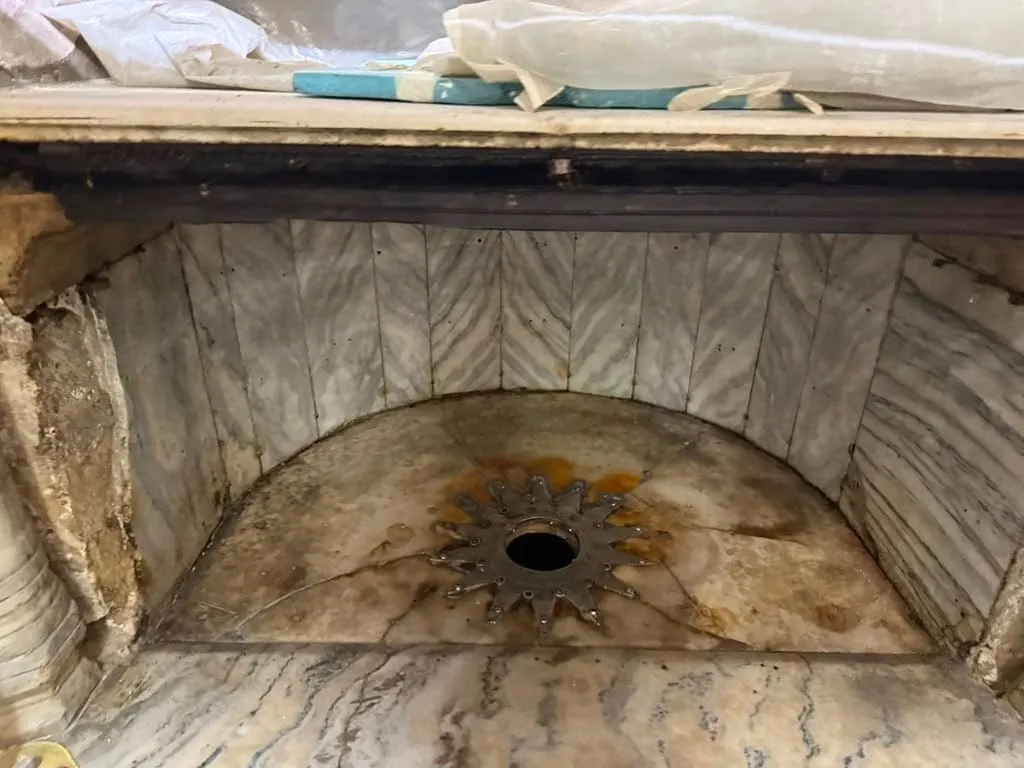
Every stone whispered of a radical call. Jesus did not form His disciples to remain sequestered in comfort, but sent them instead to transform a broken world.
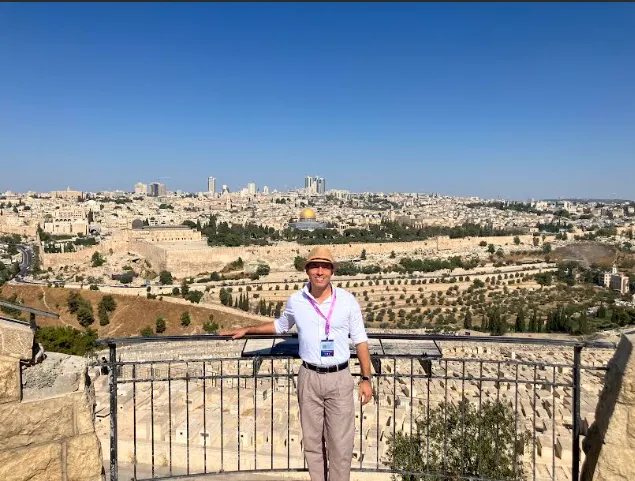
Since arriving on Sunday, I have had the absolute privilege of walking the very land where Jesus Christ lived, walked, and shared the Gospel.
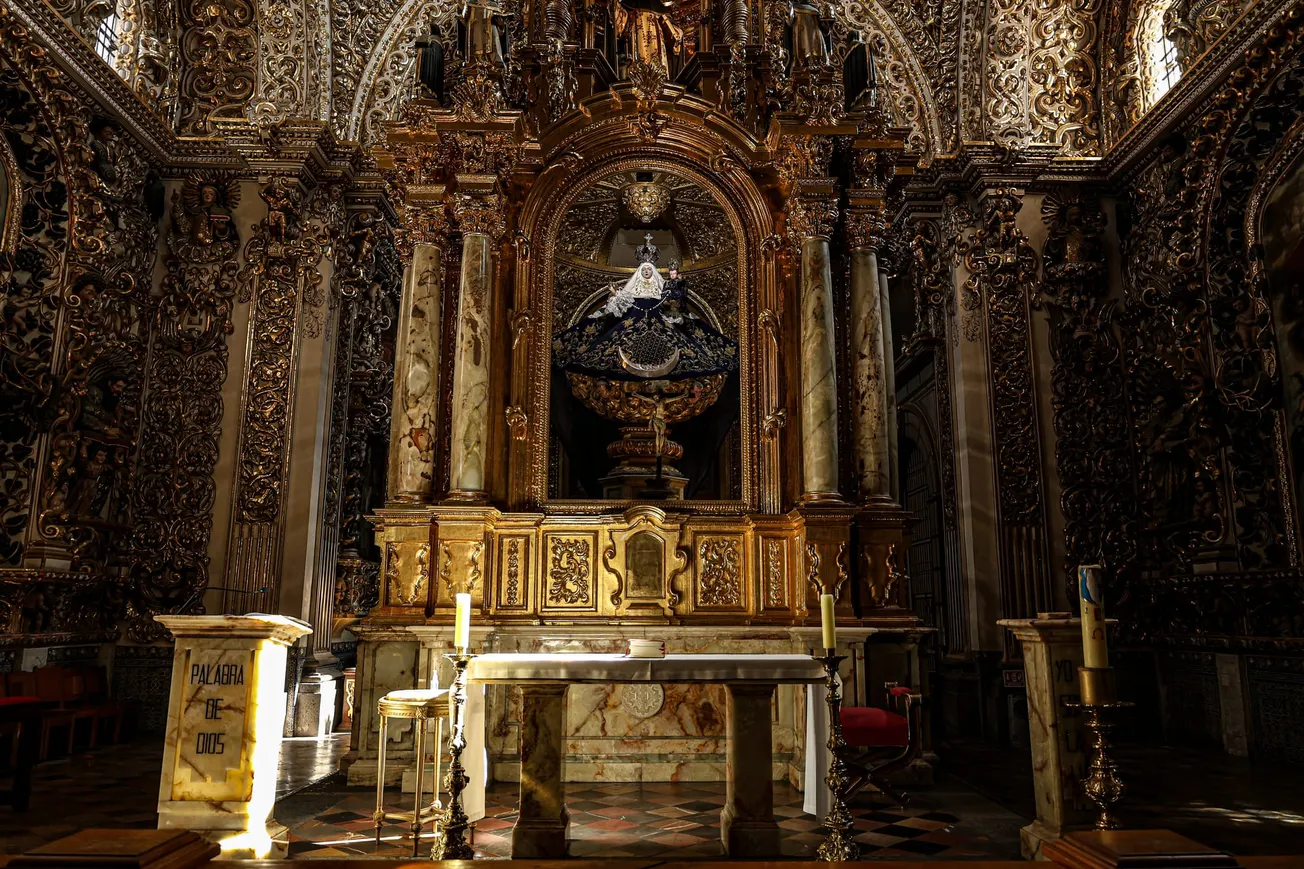
As we reflect on the sacrifices of the approximately 90,000 lives lost during the Cristero War, let us recommit ourselves to defending our faith today.
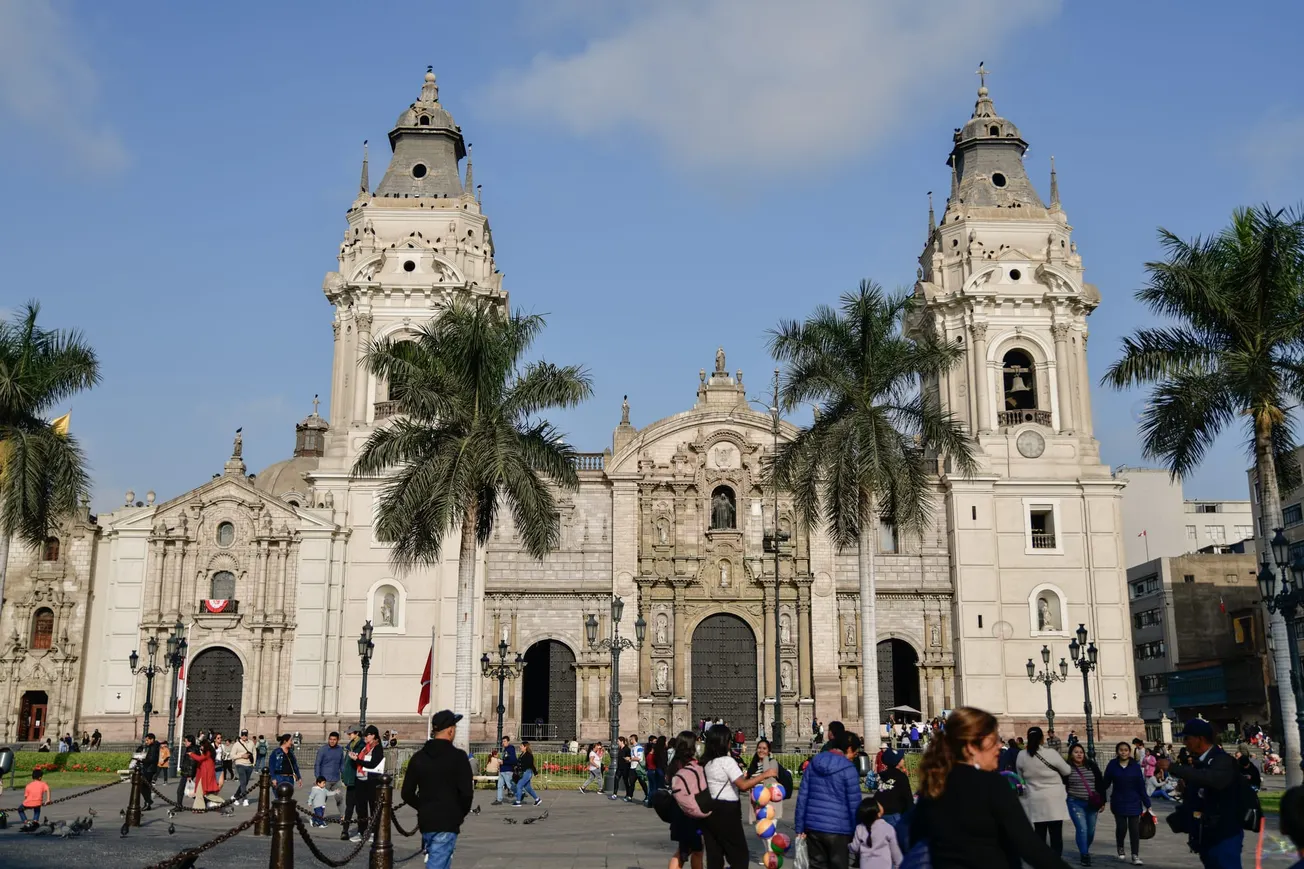
Societies facing severe political instability and public anxiety, the human heart continually yearns for stability, reconciliation, and a higher moral purpose in public life.
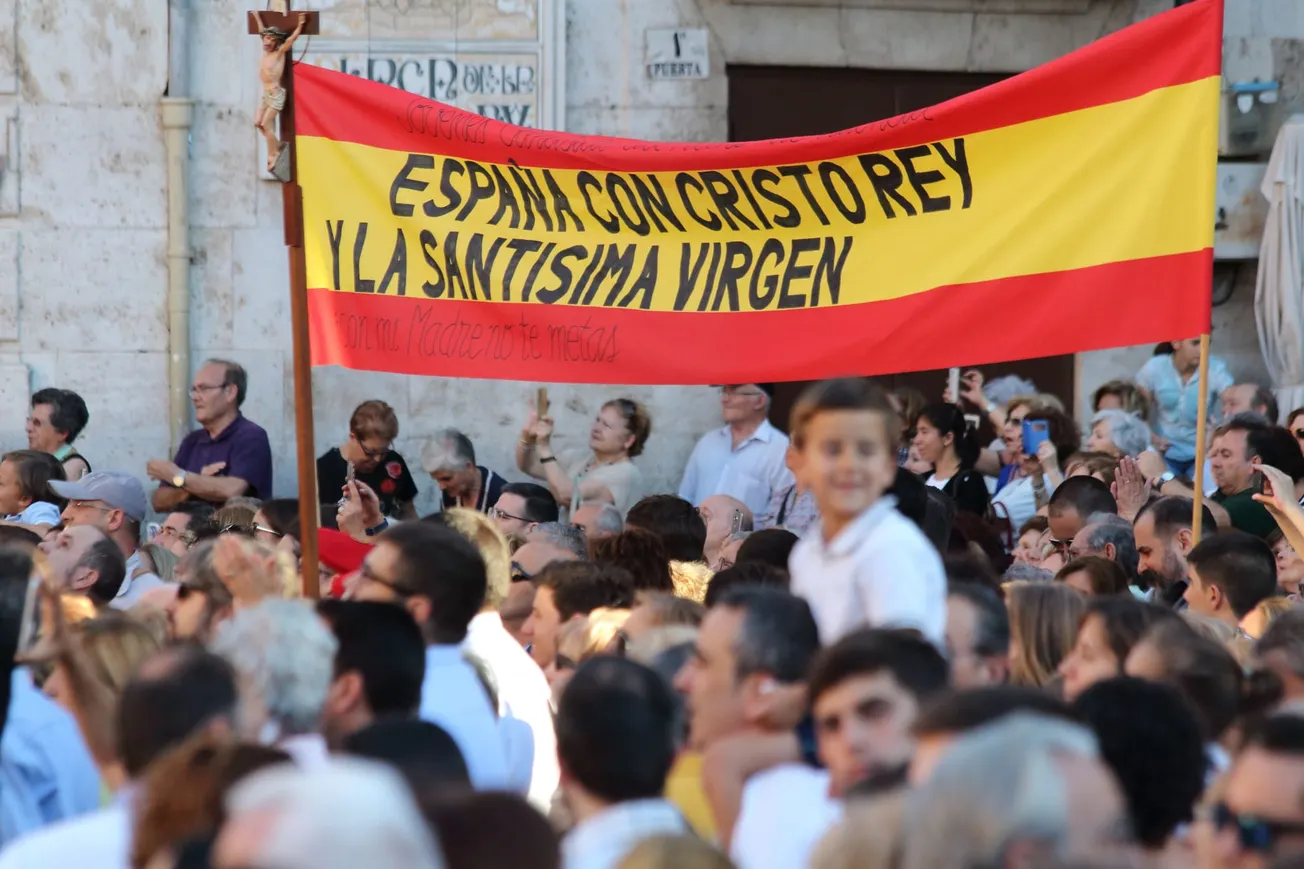
As a student of history, I can't help but remember that Spain has given the Church so many saints and over the centuries brought so many souls to God; it's easy to celebrate with them this week.
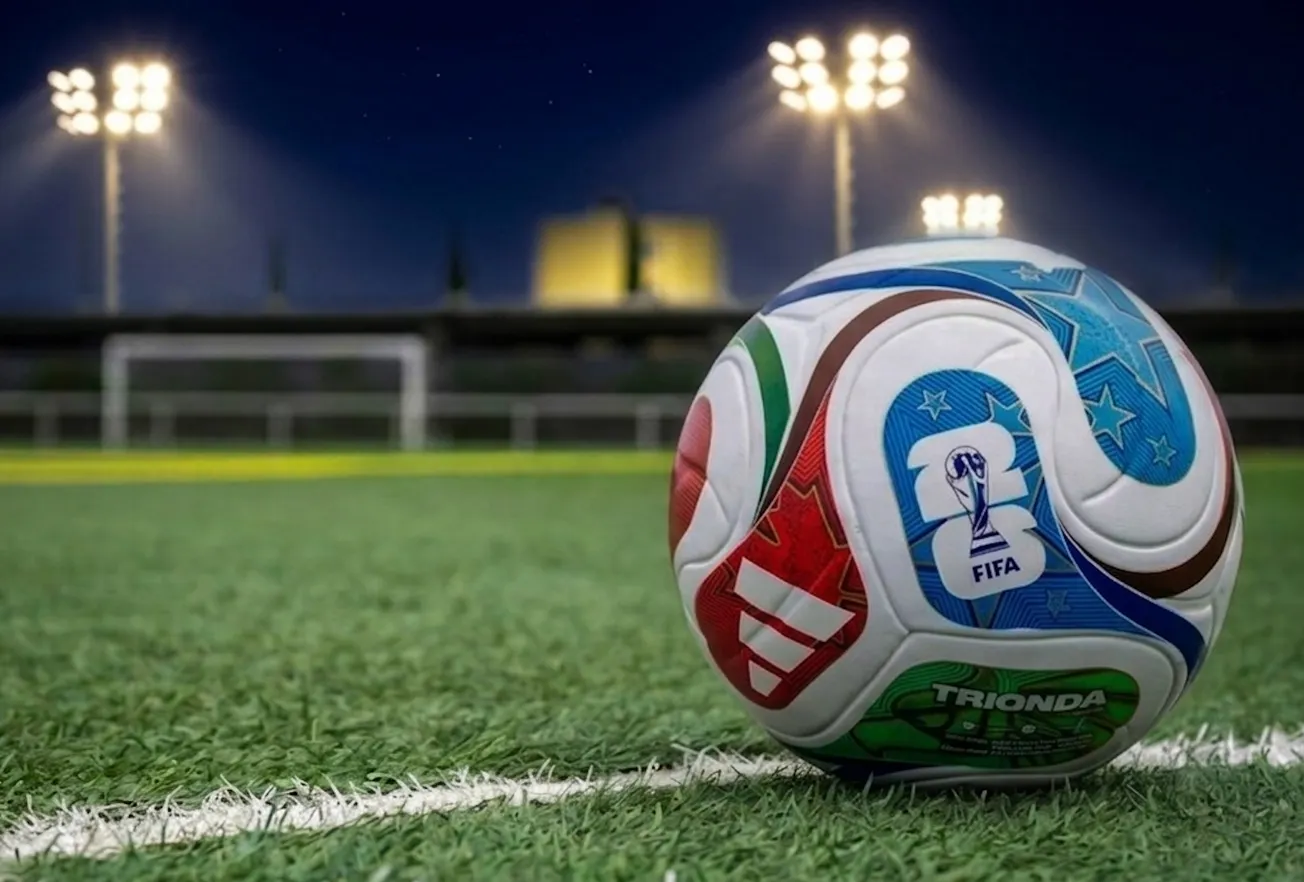
As we watch nations gather on the global stage, we are reminded of how powerful it is when humanity finds a shared joy. It shows us that beneath our differences, there is a human desire for community, for excellence, and for celebration.
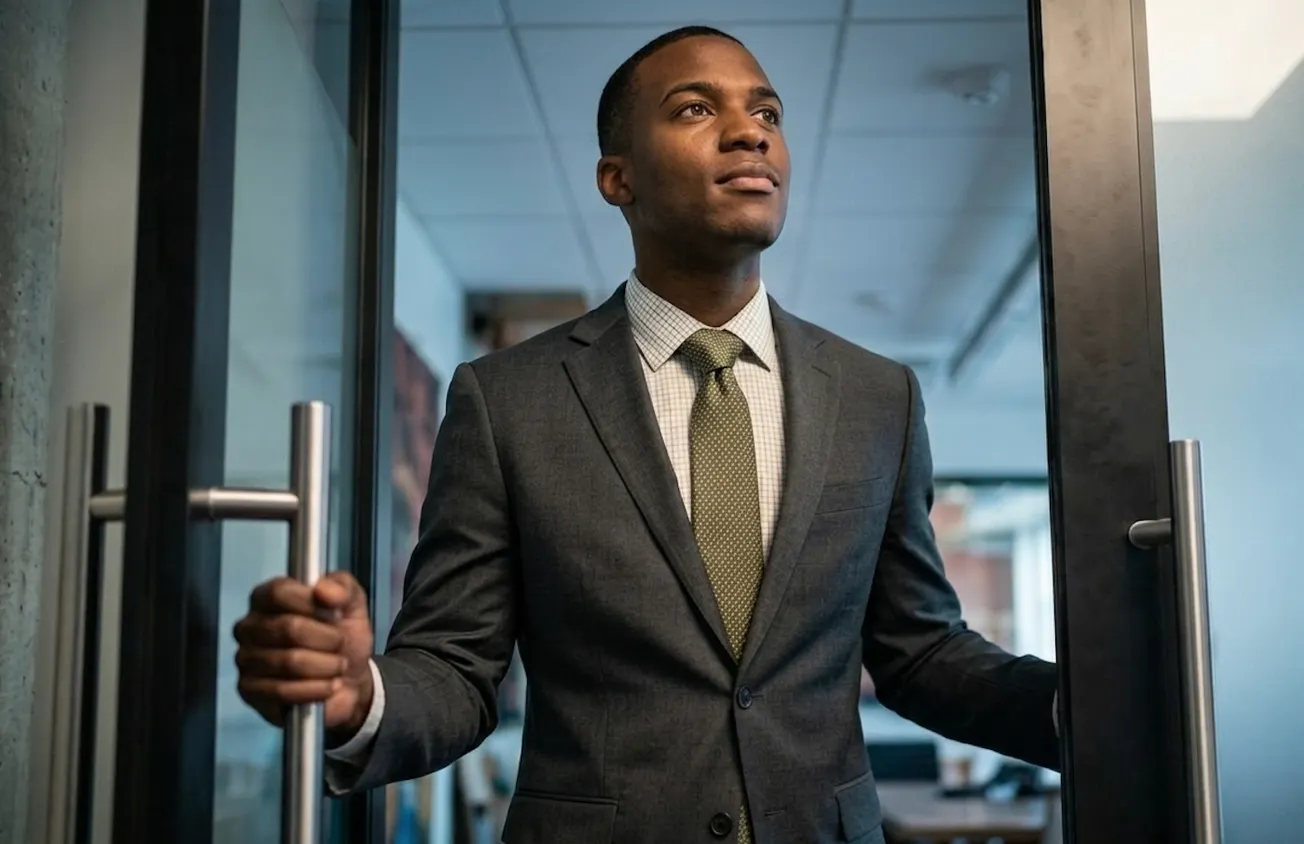
Who is tasked with fixing these broken systems? Who is responsible for building a society where the vulnerable are protected, infrastructure is resilient, and emergency responses are swift, competent, and ethical? The answer is us, the laity.

Most of us, will not be called to jump into the freezing waters of a waterfall to rescue someone. But indistinguishable from the other threads that make up the fabric of life, we will always have endless moments in our life that call for authentic Christian heroism.
Together, let us continue to bring the light of the Gospel into the heart of the world. Because if not now, when? And if not us, then who?