The intersection of faith and fiduciary duty is one of the most challenging spaces a Catholic executive or board member can navigate. In an interconnected, global economy, ensuring that an organization's investments and operations line up perfectly with Church teaching is no simple task. It requires a blend of sharp financial acumen and deep moral conviction.
For the Catholic professional serving on a board, safeguarding these moral boundaries isn’t just a personal preference, it is a core duty of leadership.
The Challenge of the Modern Boardroom
Board service is fundamentally an exercise in stewardship. Board members are entrusted with protecting an organization’s assets, setting its strategic direction, and ensuring its long-term viability. However, for a Catholic, stewardship extends far beyond the profit and loss statement. It includes a spiritual responsibility to ensure that wealth creation does not come at the cost of human dignity or the common good.
The challenge lies in the complexity of modern markets. Mutual funds, exchange-traded funds (ETFs), and private equity portfolios often wrap thousands of underlying companies together. Without close inspection, an organization's reserve funds might inadvertently support industries or practices directly opposed to Catholic social teaching, such as abortion, human cloning, weapons production, or exploitative labor practices.
When a board remains passive about where its capital is deployed, it risks what Catholic theology calls material cooperation with evil. While often remote, this cooperation can compromise the ethical integrity of both the professional and the institution they represent.
Navigating the USCCB Guidelines
Fortunately, Catholic board members do not have to navigate these waters blindly. The United States Conference of Catholic Bishops (USCCB) provides a robust framework through its Investment Guidelines. Updated to reflect the complexities of modern corporate finance, these guidelines offer a practical roadmap for maintaining clear moral boundaries.
The strategy relies on a multi-tiered approach:
- Avoidance (Negative Screening): This is the baseline. It involves actively excluding companies that derive their revenue from intrinsic evils, such as abortion, pornography, or weapons of mass destruction.
- Promotion (Positive Screening): True Catholic stewardship goes beyond avoiding the bad; it actively seeks out the good. This means favoring companies that demonstrate strong environmental stewardship, fair labor practices, corporate diversity, and ethical supply chains.
- Corporate Engagement: Rather than simply divesting from a company with questionable practices, Catholic institutional investors are encouraged to use their voice. Through shareholder resolutions and direct dialogue with corporate leadership, boards can advocate for ethical business practices from the inside out.
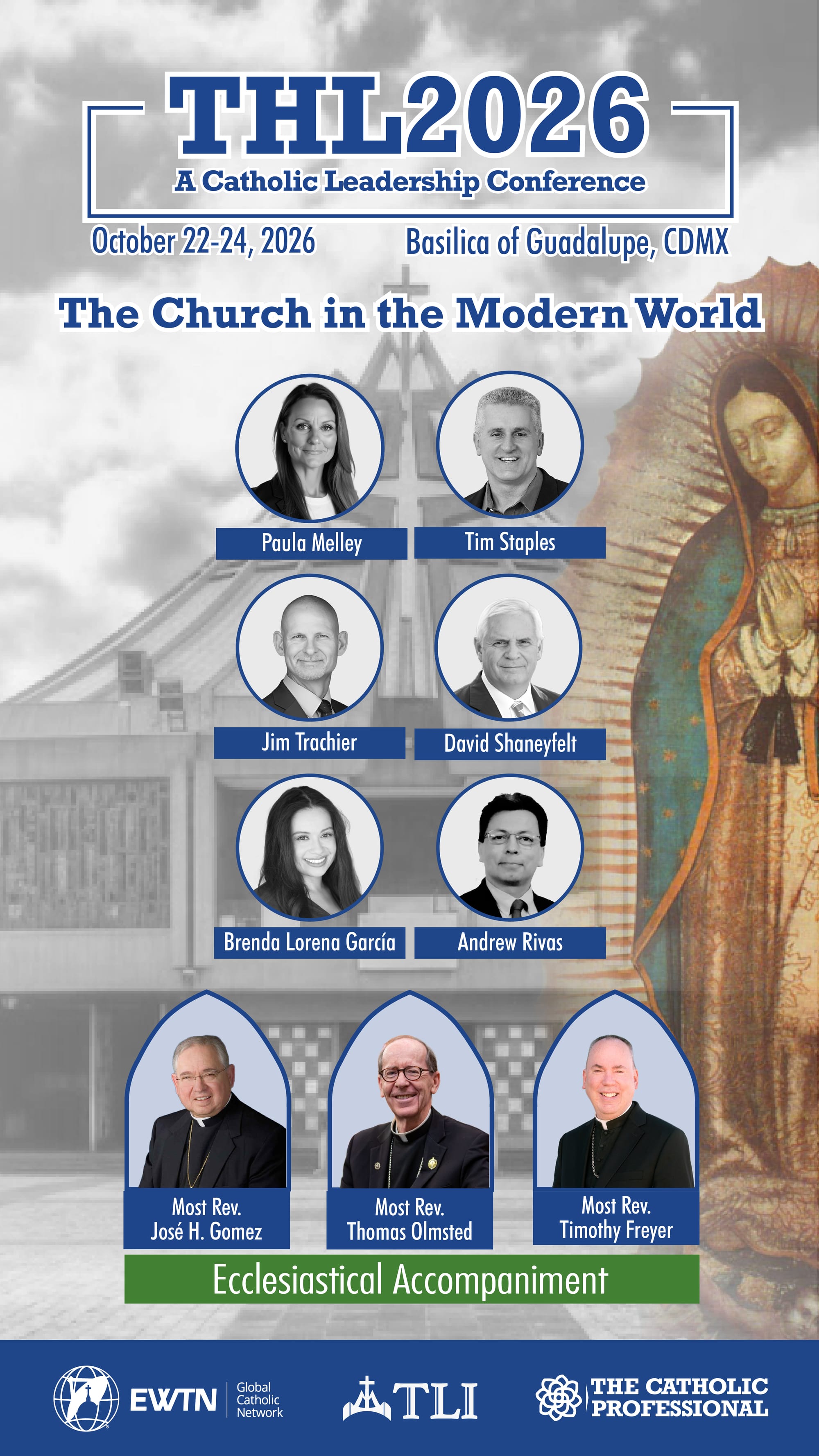
Ad: Discover the place where Our Lady of Guadalupe appeared to St. Juan Diego. See her image. And join Archbishop José Gómez, Bishop Thomas Olmsted and Bishop Timothy Freyer for The Hour of the Laity 2026 in Mexico City.
Implementing a Moral Framework
To safely operate within these boundaries, a board must move from abstract theology to concrete corporate policy.
First, the board must establish a formal Investment Policy Statement (IPS) that explicitly integrates your moral criteria. This document should clearly state the values guiding the organization's capital and define the specific parameters for asset managers.
Second, the board must select financial advisors and asset managers who truly understand faith-based investing. It is not enough for a manager to offer a generic "ESG" (Environmental, Social, and Governance) portfolio, as mainstream ESG metrics often diverge from Catholic teaching on matters regarding life and the family.
Finally, board service itself must be treated as a ministry of discernment. When facing complex decisions, such as partnerships, mergers, or new revenue streams, leaders should actively ask how these moves impact human dignity.
By establishing clear guidelines and remaining vigilant, lay Catholics can confidently lead their organizations toward financial success without compromising their eternal values. Board service then becomes what it is truly meant to be: a powerful witness to the Gospel in the marketplace.
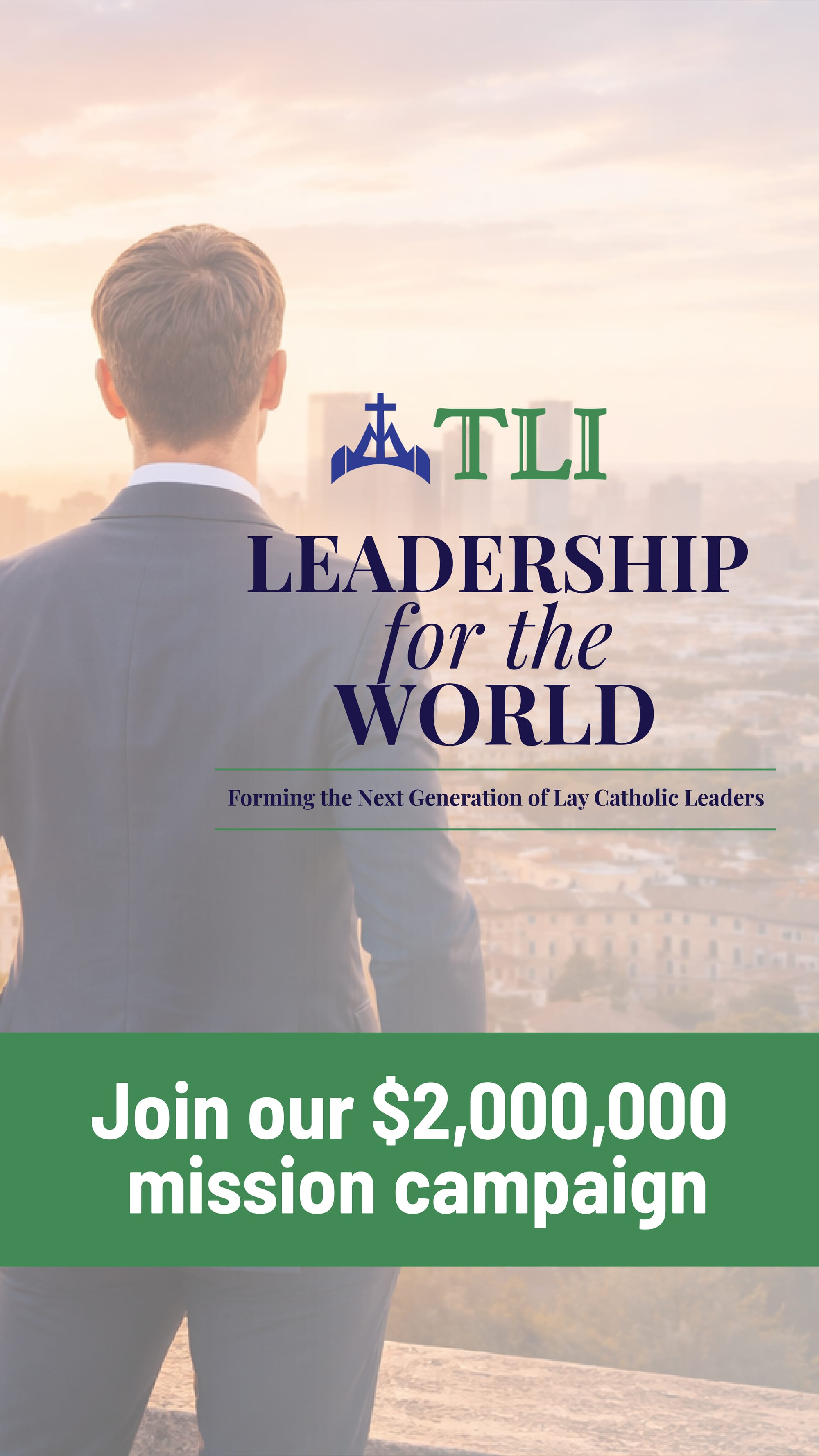
Ad: Tepeyac Leadership’s Leadership for the World is a $2 million, three year mission to form lay Catholic leaders for the public square. Without formation, others fill the void. Will you step in or step aside now, when it matters most?
Click to discover why THL2026 is a must-attend event!