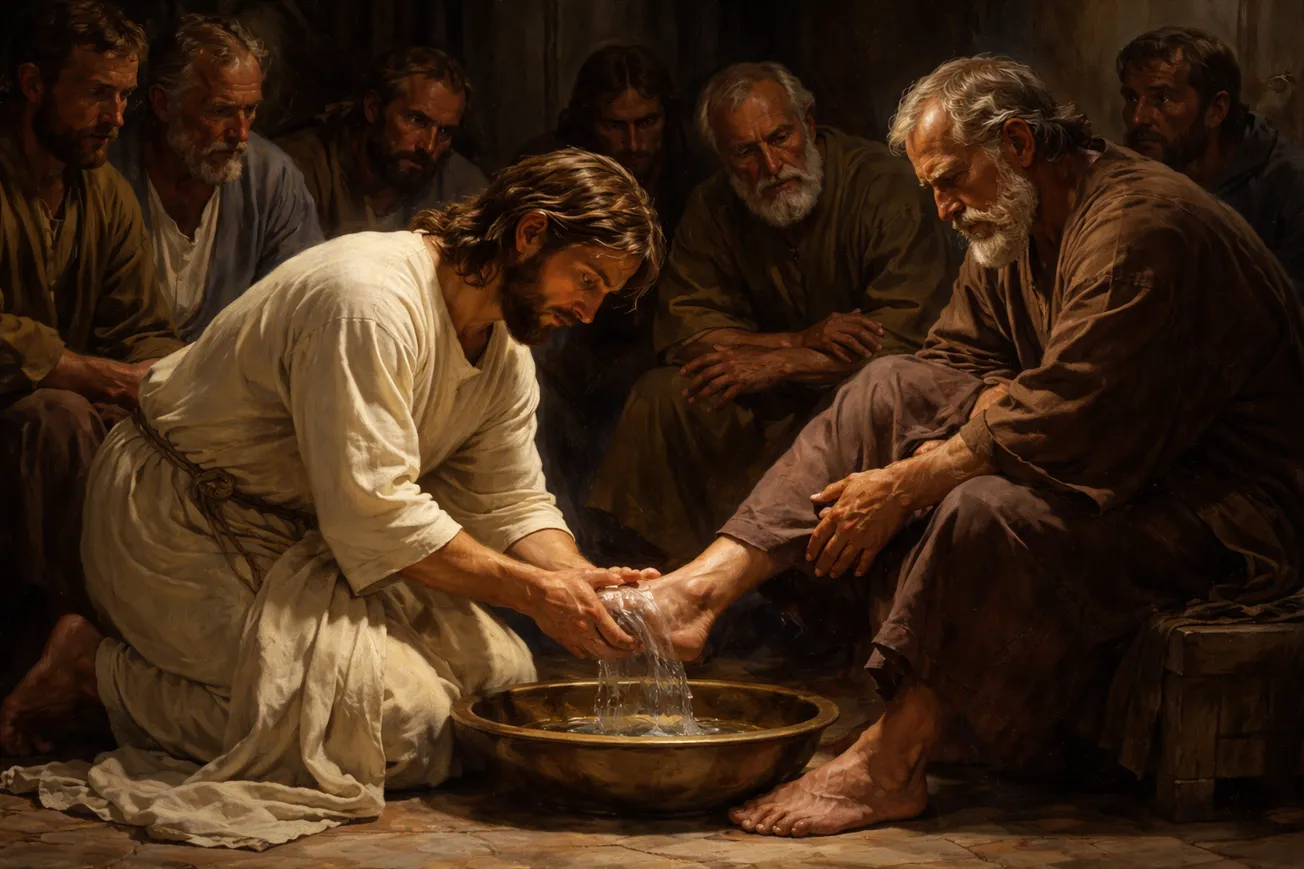
In a world saturated with noise, speed, and relentless productivity, beauty can seem like a luxury. Yet for the Catholic professional, beauty is not ornamental. It is evangelical. Long before a word is spoken about doctrine or moral teaching, beauty prepares the heart. It opens a space where truth can be received. In the workplace, where faith often must be lived more than declared, beauty becomes a quiet but powerful form of witness.
The Church has long taught that beauty is a pathway to God. Pope Benedict XVI frequently spoke about the “via pulchritudinis,” the way of beauty, as a privileged route for evangelization. Beauty attracts without coercion. It awakens wonder. It disarms cynicism. In professional environments that can feel transactional or impersonal, the Catholic is uniquely positioned to reintroduce this dimension of wonder.
The Beauty of Excellence
The first and most accessible form of beauty in the workplace is excellence. A well prepared presentation, a thoughtfully crafted email, a carefully executed strategy, or a meticulously designed product reflects more than competence. It reflects reverence. When work is offered as a gift rather than merely performed as an obligation, it acquires a certain radiance.
Excellence is not perfectionism rooted in ego. It is an act of love. It communicates respect for clients, colleagues, and even competitors. Over time, this consistency builds trust. People may not initially identify the source of such dedication, but they will sense its depth. The Catholic professional understands that every spreadsheet, contract, or conversation can be offered to God. This interior intention transforms ordinary labor into something luminous.
The Beauty of Order and Environment
Physical space also speaks. An orderly desk, a thoughtfully arranged office, or a welcoming meeting room communicates clarity and hospitality. Beauty in the environment does not require extravagance. It requires intention. A small crucifix discreetly placed, a piece of meaningful art, or even the simple discipline of cleanliness can create an atmosphere of dignity.
In many companies, chaos and clutter mirror interior fragmentation. By contrast, an environment shaped by harmony and care suggests that human beings are not machines. They are persons. Beauty in space reminds colleagues that their work matters and that they themselves matter.
The Beauty of Relationships
Perhaps the most compelling form of beauty is relational. Patience in conflict. Gentleness in correction. Joy in collaboration. Integrity in negotiation. These virtues create a moral beauty that is unmistakable.
Consider how countercultural it is to refuse gossip, to give credit generously, or to apologize sincerely. Such acts shine. They reveal a different logic at work. They suggest that success is not the highest good. The Catholic professional who treats every coworker, from the executive to the intern, with equal dignity becomes a living icon of the Gospel.
This kind of beauty often provokes questions. Why are you so calm under pressure. Why do you remain hopeful when projects fail. Why do you refuse to cut ethical corners. In those moments, evangelization becomes natural. It flows from curiosity sparked by beauty already perceived.
The Beauty of Joyful Sacrifice
Every profession involves sacrifice. Long hours. Difficult clients. Missed opportunities. When endured with bitterness, sacrifice hardens the heart. When embraced with love, it becomes beautiful.
The Cross stands at the center of Christian life. It reveals that suffering united to Christ bears fruit. The professional who accepts inconvenience for the sake of justice, who chooses honesty over profit, or who defends the vulnerable at personal cost manifests a beauty the world struggles to understand. This is not naivety. It is strength shaped by grace.
A Culture Transformed from Within
Evangelization in the workplace rarely begins with formal catechesis. It begins with attraction. Beauty creates that attraction. It makes visible an interior coherence between faith and life. In a culture suspicious of religious language, beauty offers an invitation rather than an argument.
To evangelize through beauty is to believe that grace perfects nature. It is to see the office, the boardroom, the classroom, or the clinic as a field ready for cultivation. The Catholic professional does not impose. He or she illuminates. Through excellence, order, charity, and joyful sacrifice, the workplace becomes more human. And wherever the human person is elevated, God is quietly revealed.
P.S. The countdown is on for the 2nd Tepeyac Leadership Gala, on March 28. Secure your tickets today by clicking below!