In today’s fast-paced corporate world, executive decisions are rarely simple choices between right and wrong. Instead, most of us deal with tricky shades of grey. Constant pressure to hit quarterly targets, boost efficiency, and keep shareholders happy can easily create friction with our personal integrity. When quick wins and profits become the default measure of success, small moral shortcuts can quietly become our everyday routine.
For Christian professionals, navigating these workplace grey areas takes more than an employee manual or a slick values statement on the company website. They call for an ethical compass rooted in something deeper than shifting corporate trends. Catholic Social Teaching offers that exact anchor. Its core ideas of human dignity, the common good, solidarity, and subsidiarity give us a practical, down-to-earth way to bring authentic, compassionate leadership into our daily work.
The Subtle Pull of Compromise
Think about the quiet, everyday dilemmas that never make the evening news, yet shape our workplace culture every day. An aggressive tax strategy stays technically legal, but clearly dodges the real intent of the law. A marketing message uses clever wording that technically isn't a lie, but still leaves customers with the wrong impression. A quick cost-cutting move hits this month's budget goal, but dumps an unfair burden onto lower-level staff.
These situations are tough because they are legal and financially rewarding. But when convenience drives company policy, leadership turns transactional. Team members get treated like line items, vendor relationships become adversarial, and the long-term health of the company gets traded away for short-term gains.
Looking Beyond the Rules
Staying within legal boundaries is the bare minimum for business ethics, not the gold standard. Bringing our faith into work means looking past what we can get away with and asking what is genuinely fair, just, and kind.
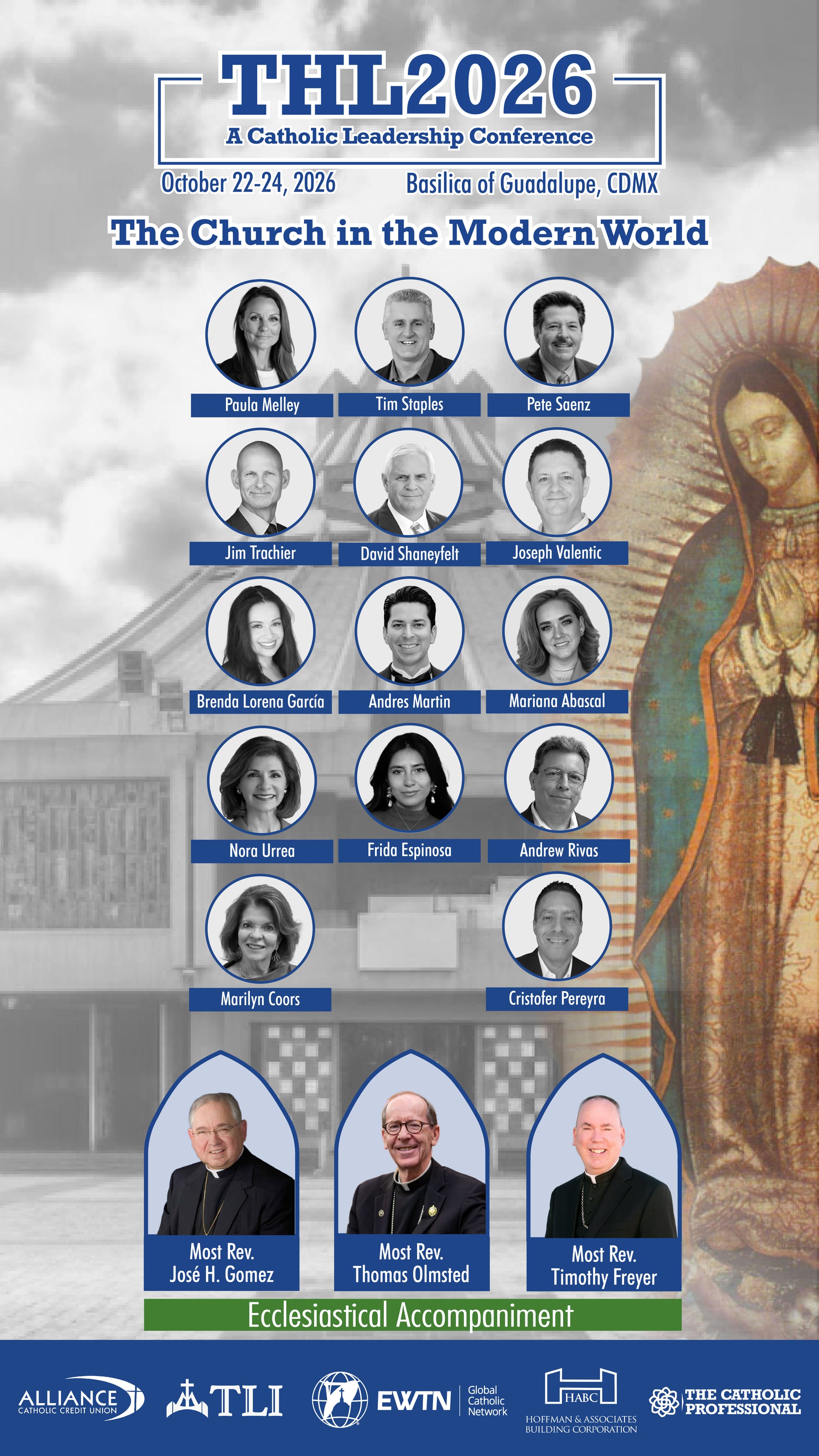
Ad: Discover the place where Our Lady of Guadalupe appeared to St. Juan Diego. See her image. And join Archbishop José Gómez, Bishop Thomas Olmsted and Bishop Timothy Freyer for The Hour of the Laity 2026 in Mexico City.
First, human dignity comes first. Every corporate strategy, budget cut, or policy update directly affects real people. When you recognize the dignity in every person, you stop viewing employees as disposable assets and start treating them as true partners in a shared mission. This shifts performance management away from micromanagement and toward genuine mentorship.
Second, the common good asks us to look at the bigger picture. While financial success is necessary for any company to survive, a business also exists to serve society. When planning strategy, executive teams should consider how their decisions affect everyone around them, from vendor relationships to local communities.
Third, subsidiarity and solidarity create a healthier, more supportive team culture. Subsidiarity means trusting your people and giving those closest to a problem the freedom to solve it. Solidarity means staying in touch with reality on the ground, making sure leaders truly care about the daily pressures facing frontline staff.
Living Your Values Every Day
Bringing these principles to life at work does not require preaching or using religious jargon in staff meetings. It comes down to daily choices:
- Ask Better Questions: Instead of just asking "Is this legal?", ask "Is this honest, transparent, and fair?"
- Consider the Ripple Effect: Take a close look at how your decisions impact junior employees, vendors, and everyday customers.
- Build Psychological Safety: Create an approachable environment where team members feel safe speaking up about ethical concerns.
Faith at work is ultimately revealed through quiet courage, empathy, and consistent fairness. When we measure success by both financial health and moral integrity, we build stronger, happier organizations that bring out the best in everyone.
P.S. Join Archbishop José Gómez, Bishop Thomas Olmsted and Bishop Timothy Freyer for The Hour of the Laity 2026 in Mexico City. In the videos bellow you will see what they have to say about THL2026.
Ad: Tepeyac Leadership’s Leadership for the World is a $2 million, three year mission to form lay Catholic leaders for the public square. Without formation, others fill the void. Will you step in or step aside now, when it matters most?