Table of Contents
In today’s fast-paced corporate culture, the pressure to maintain constant availability is relentless. For the ambitious Catholic professional, the desire to excel can subtly morph from a healthy pursuit of excellence into an all-consuming hustle. We find ourselves caught in the "grind mindset," where our calendars are packed, our laptops are permanently open, and our minds are continuously preoccupied with the next deadline. While a robust work ethic is a distinct Christian virtue, it quickly turns to vice when our professional endeavors consume our identity, leaving our families, our health, and our interior lives starved for attention.
To live an undivided life, where our spiritual convictions seamlessly integrate with our professional pursuits, we must confront a hard truth: when work takes over, it becomes an idol.
Centuries ago, the prophet Hosea issued a profound warning that cuts directly through the noise of the modern marketplace:
"Assyria will not save us; we will not ride on horses; nor will we say anymore, ‘Our god,’ to the work of our hands." — Hosea 14:3
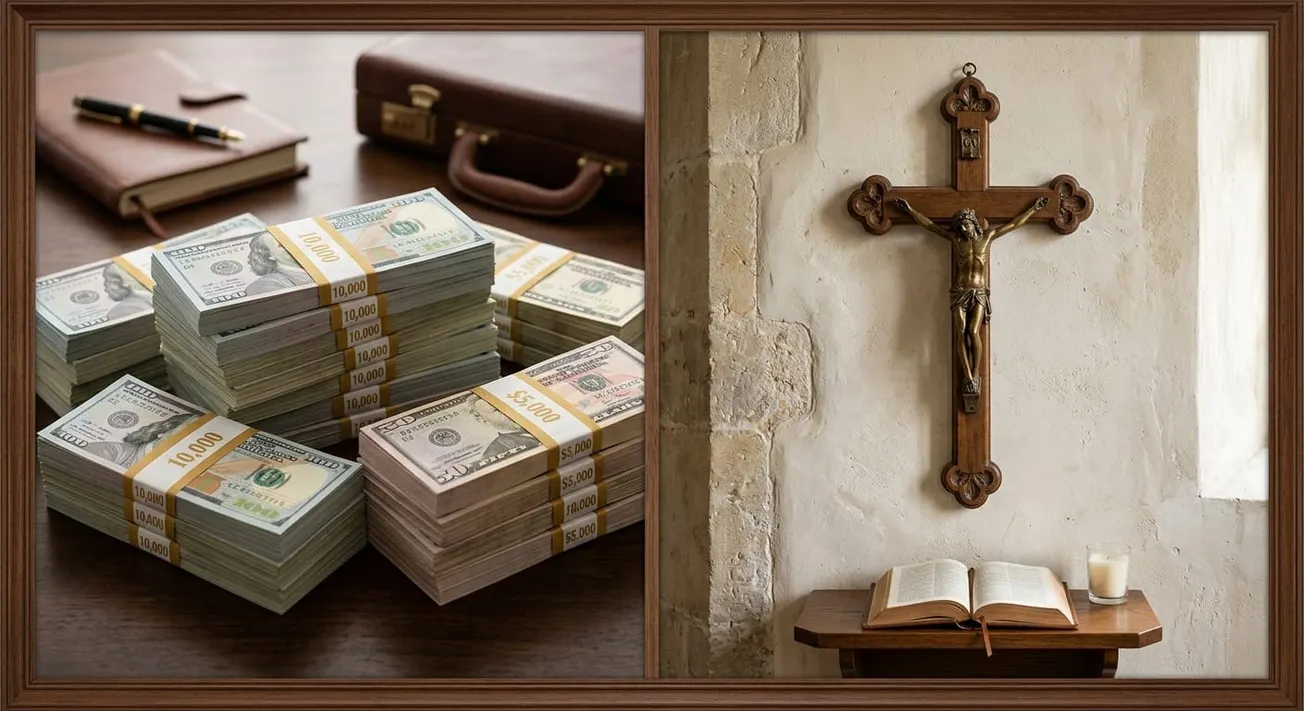
Though written to an ancient nation tempted to trust in political alliances and physical military power, this Scripture pierces the heart of the modern professional. When we look at our metrics, our rising revenue targets, or our corporate titles and expect them to provide the ultimate security, validation, and fulfillment that only the Creator can give, we are bowing down to a modern golden calf. We are calling the work of our hands "our god."
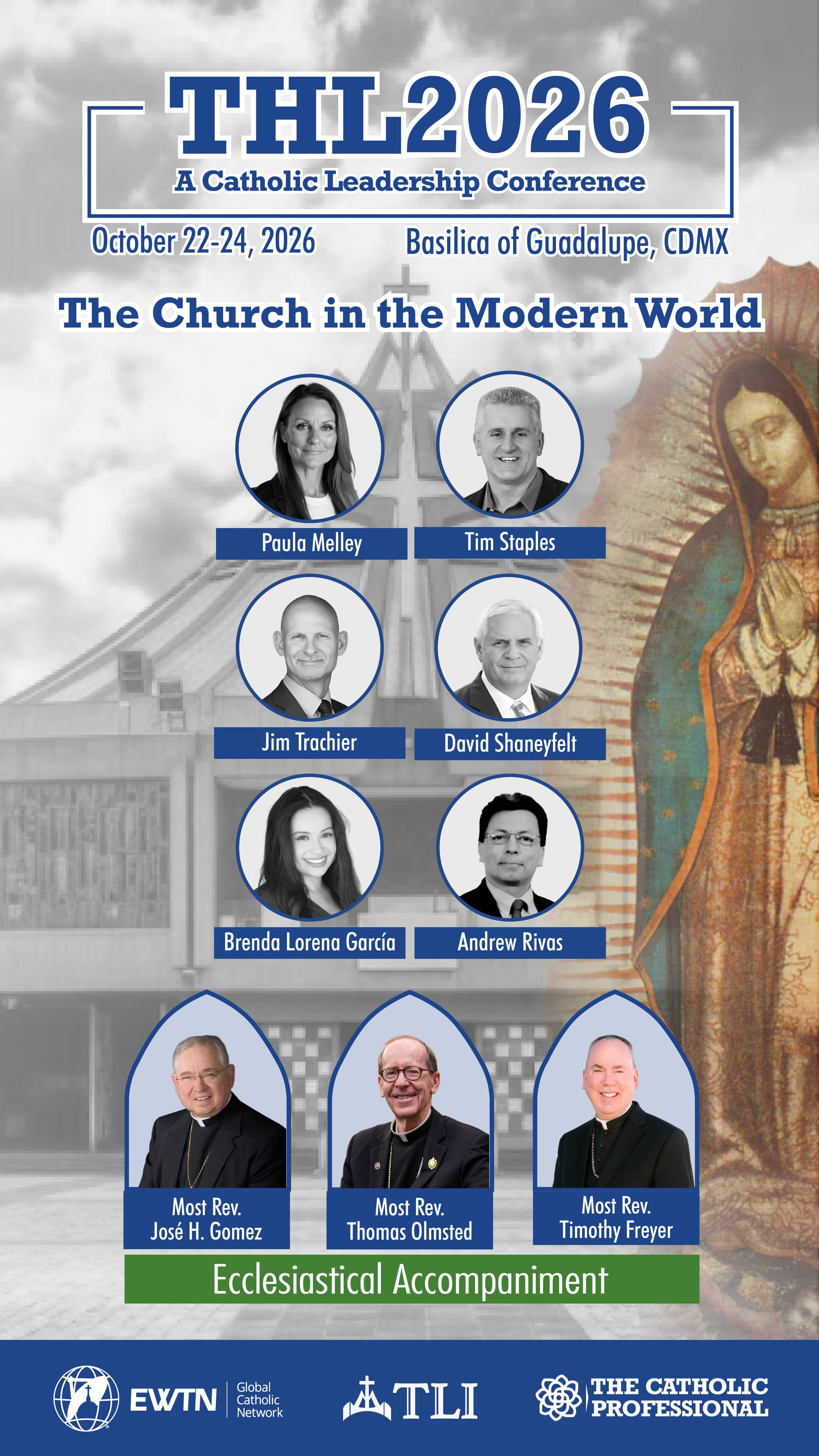
Ad: Discover the place where Our Lady of Guadalupe appeared to St. Juan Diego. See her image. And join Archbishop José Gómez, Bishop Thomas Olmsted and Bishop Timothy Freyer for The Hour of the Laity 2026 in Mexico City.
Achieving a godly work-life balance is not merely a matter of secular time management; it is a spiritual necessity. To ensure that our careers remain a means of sanctification rather than a source of spiritual starvation, we must implement practical boundaries to keep work in its proper place.
Defend the Sabbath Against the "Always-Available" Culture
The corporate world frequently demands immediate responses to late-night emails and weekend requests. True professional leadership requires the courage to set firm boundaries. Take inspiration from the commandment of Sabbath rest. Designate specific, non-negotiable times after hours to close the laptop and disconnect from mobile devices. Dedicating Sunday strictly to God, family, and restoration draws a clear line between our labor and our life.
Sanctify Your Hours, Don't Just Multiply Them
Hyperproductivity often tricks us into believing that more hours automatically equal better results. Instead of logging endless, exhausted hours as a badge of honor, focus on intentionality. Begin the workday by offering your upcoming tasks to God. Utilize structured time-blocking to work efficiently during office hours so that you can step away cleanly when the day is done.
Anchor Your Identity in Christ, Not Your Title
It is easy to let our professional status define who we are. When a project fails or an economic shift occurs, our sense of worth should not collapse with it. Remind yourself consistently through daily mental prayer that your primary identity is found in being a son or daughter of God, not in your job description or your salary.
Ultimately, keeping a healthy balance means recognizing that our work is a gift to be offered back to God, not a deity to be served. By consciously refusing to deify the work of our hands, we free ourselves to pursue career advancement with joy, integrity, and peace, confident that our ultimate reward lies far beyond the corner office.
Ad: Tepeyac Leadership’s Leadership for the World is a $2 million, three year mission to form lay Catholic leaders for the public square. Without formation, others fill the void. Will you step in or step aside now, when it matters most?

Click to discover why THL2026 is a must-attend event!