
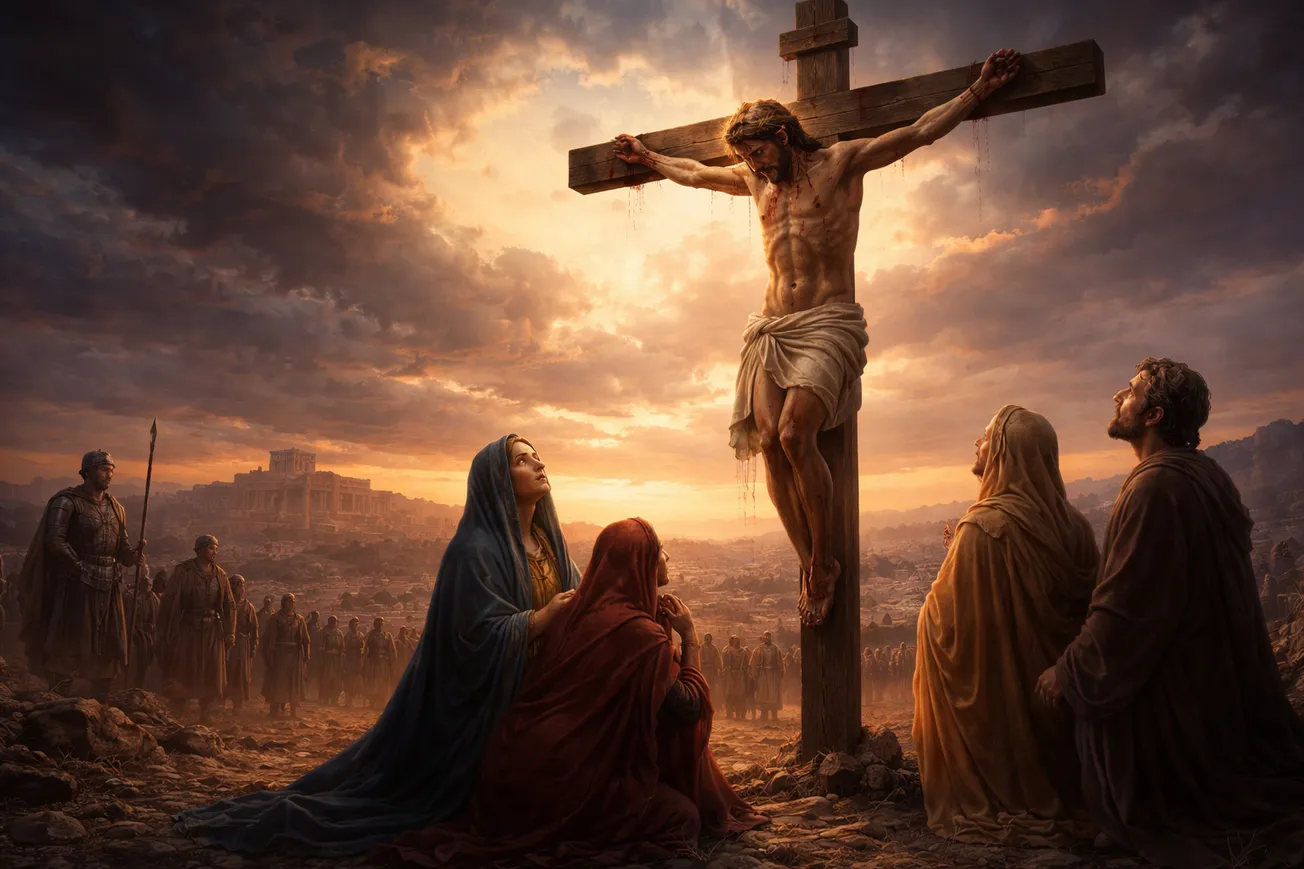
The Logic of the Cross in the Modern Workplace
There are seasons when efforts seem fruitless, when sacrifices go unnoticed, or when the future feels uncertain. Good Friday teaches us to trust that God is at work even in darkness.
There are seasons when efforts seem fruitless, when sacrifices go unnoticed, or when the future feels uncertain. Good Friday teaches us to trust that God is at work even in darkness.
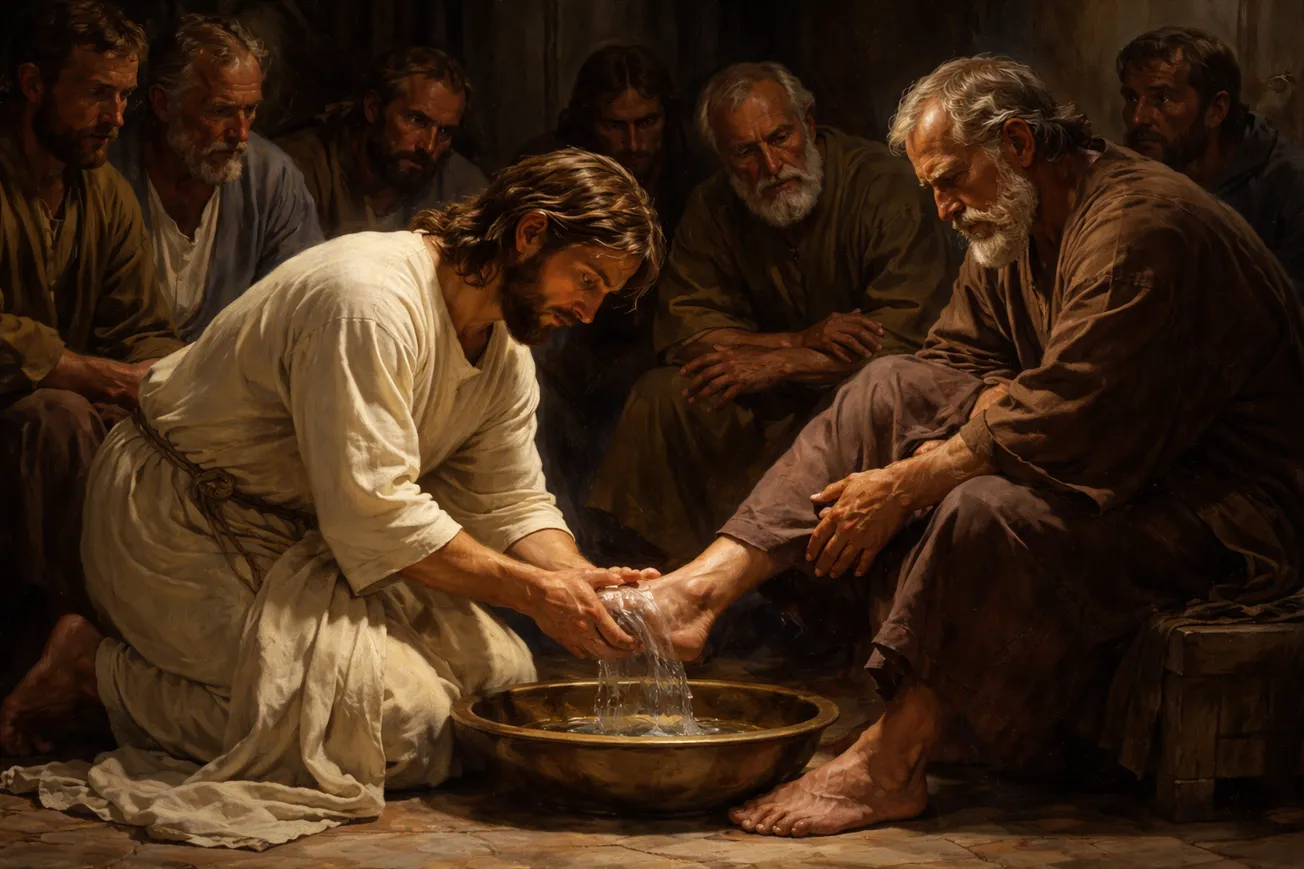
For Catholic professionals, this day is an invitation to align work with worship, leadership with service, and ambition with sacrifice.
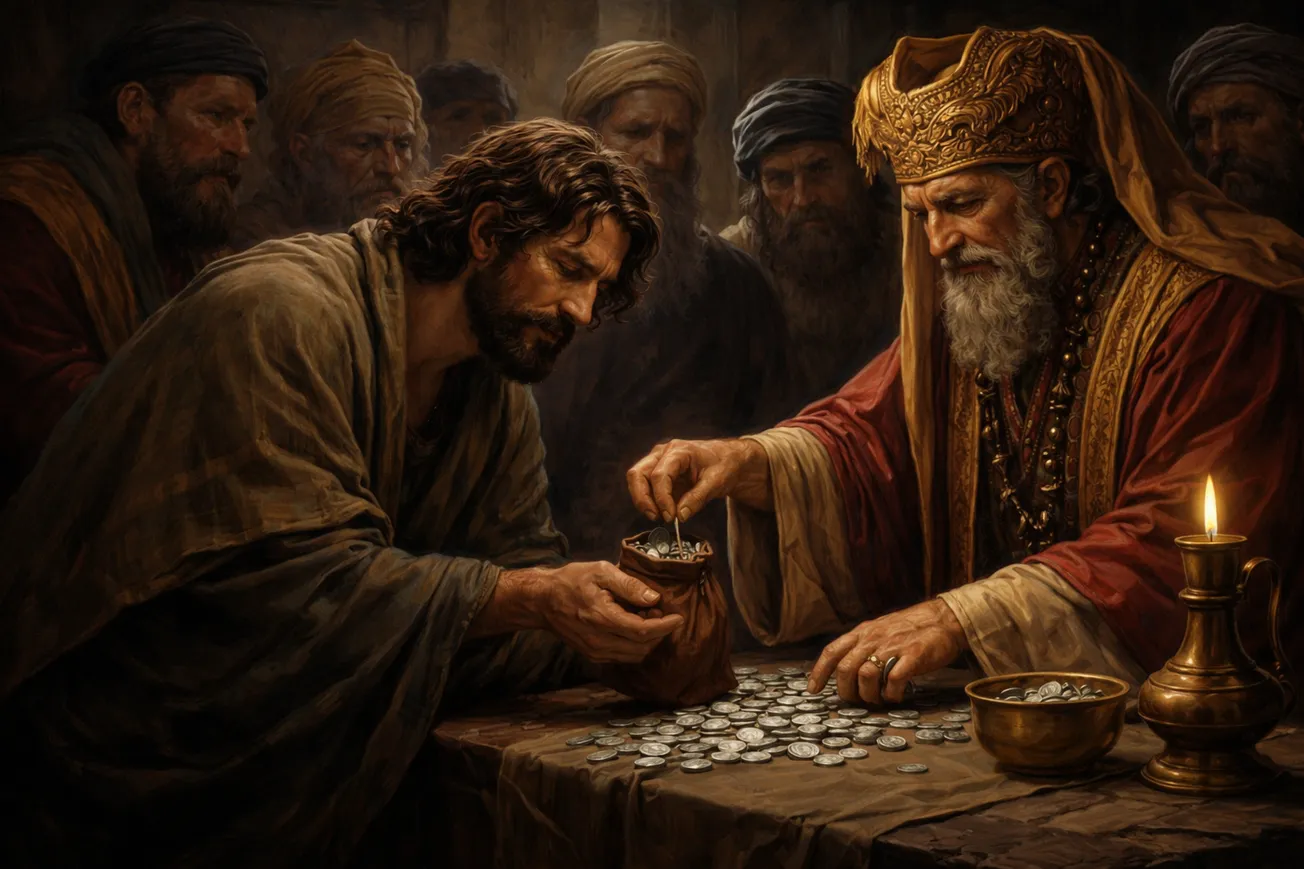
The betrayal of Judas did not happen overnight. It was the culmination of choices, of small concessions, of priorities slowly reordered. The Gospel reminds us that grave failures often begin with seemingly minor decisions left unchecked.
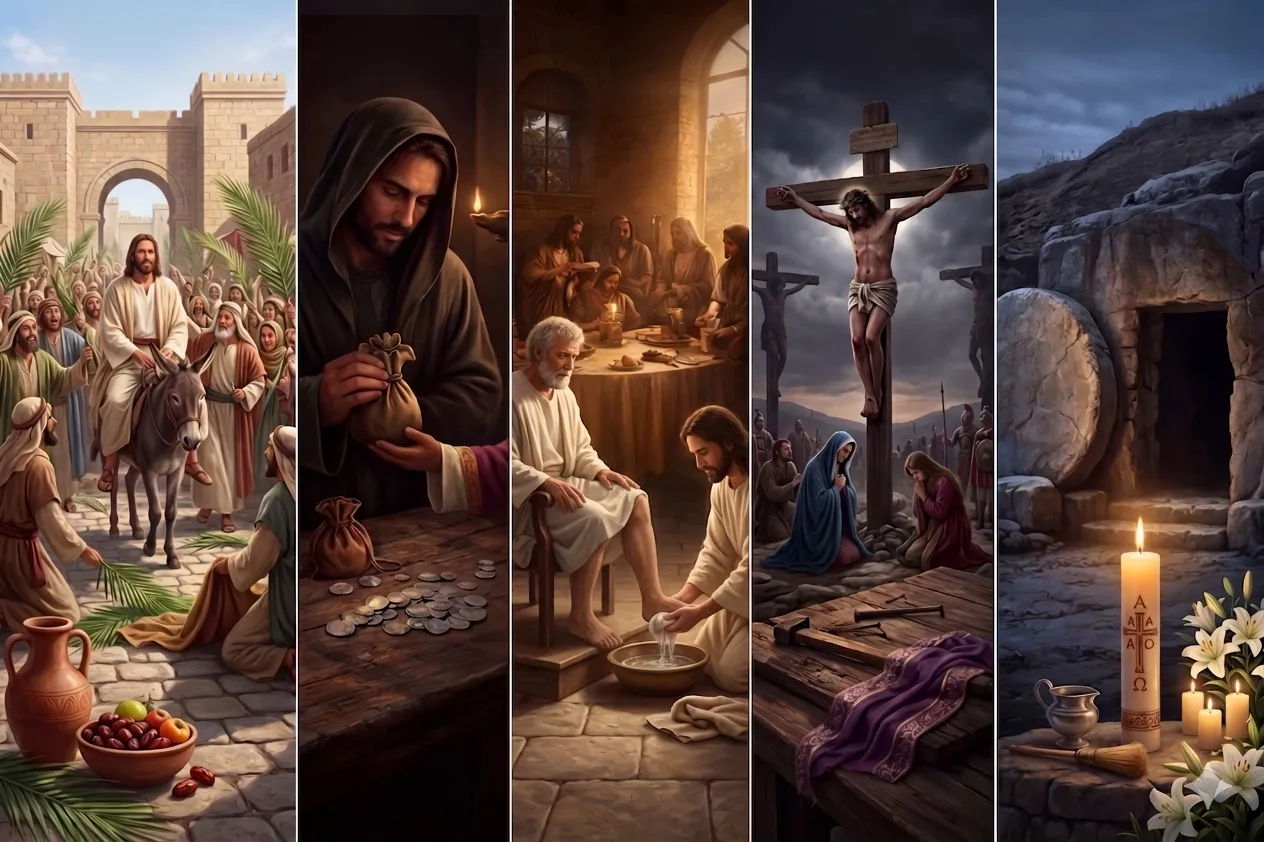
Holy Week, then, is not separate from daily life. It is its deepest interpretation, offering a path to live with purpose, fidelity, and a renewed vision of what it means to follow Christ in the modern world.
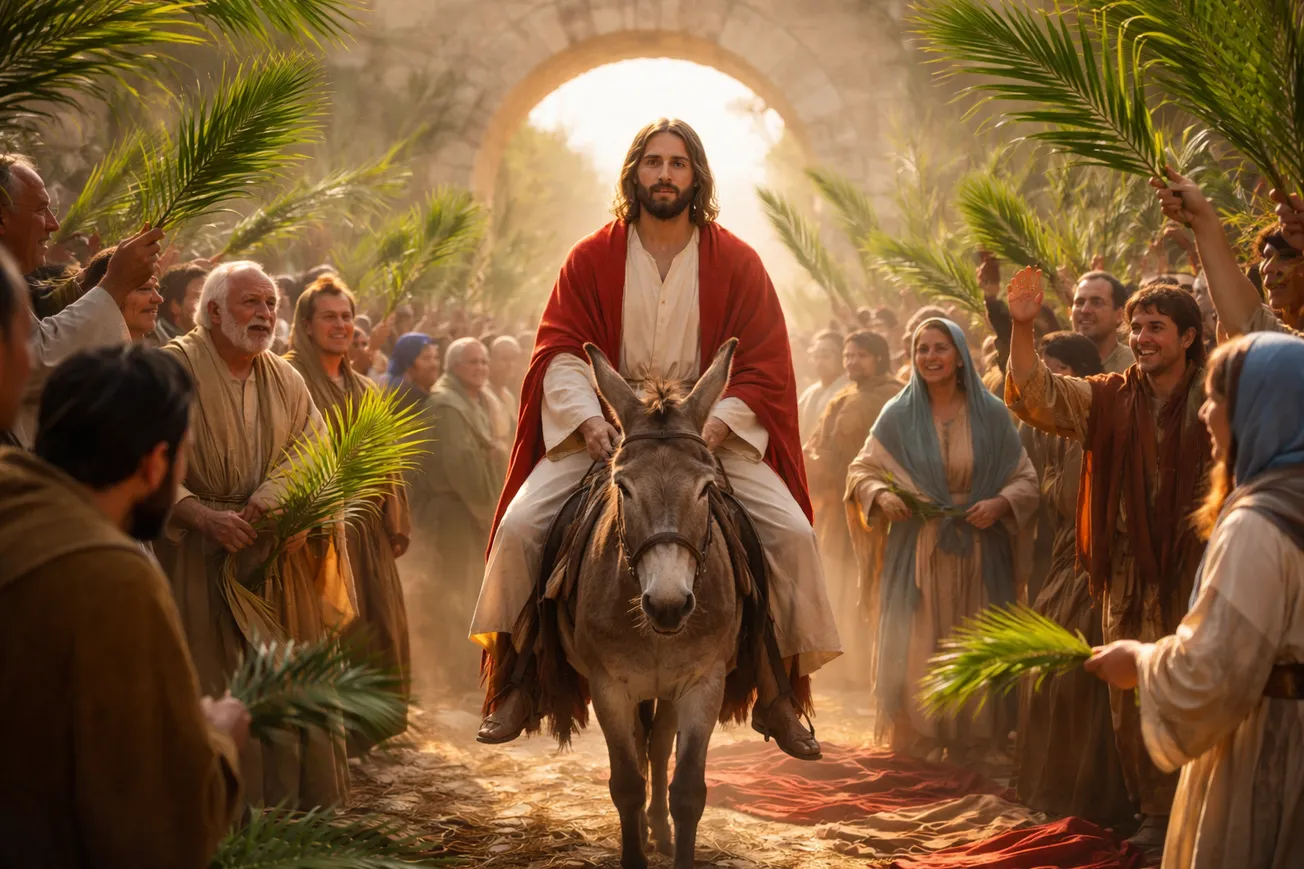
The palms we carry symbolize victory, but not the kind the world expects. As we begin this sacred week, we are reminded that true success is not found in worldly acclaim, but in faithfulness to our calling.

Without meaningful distinctions, the concept of competition itself begins to lose coherence. In this sense, the policy is not merely restrictive. It is protective of the integrity of women’s athletics.
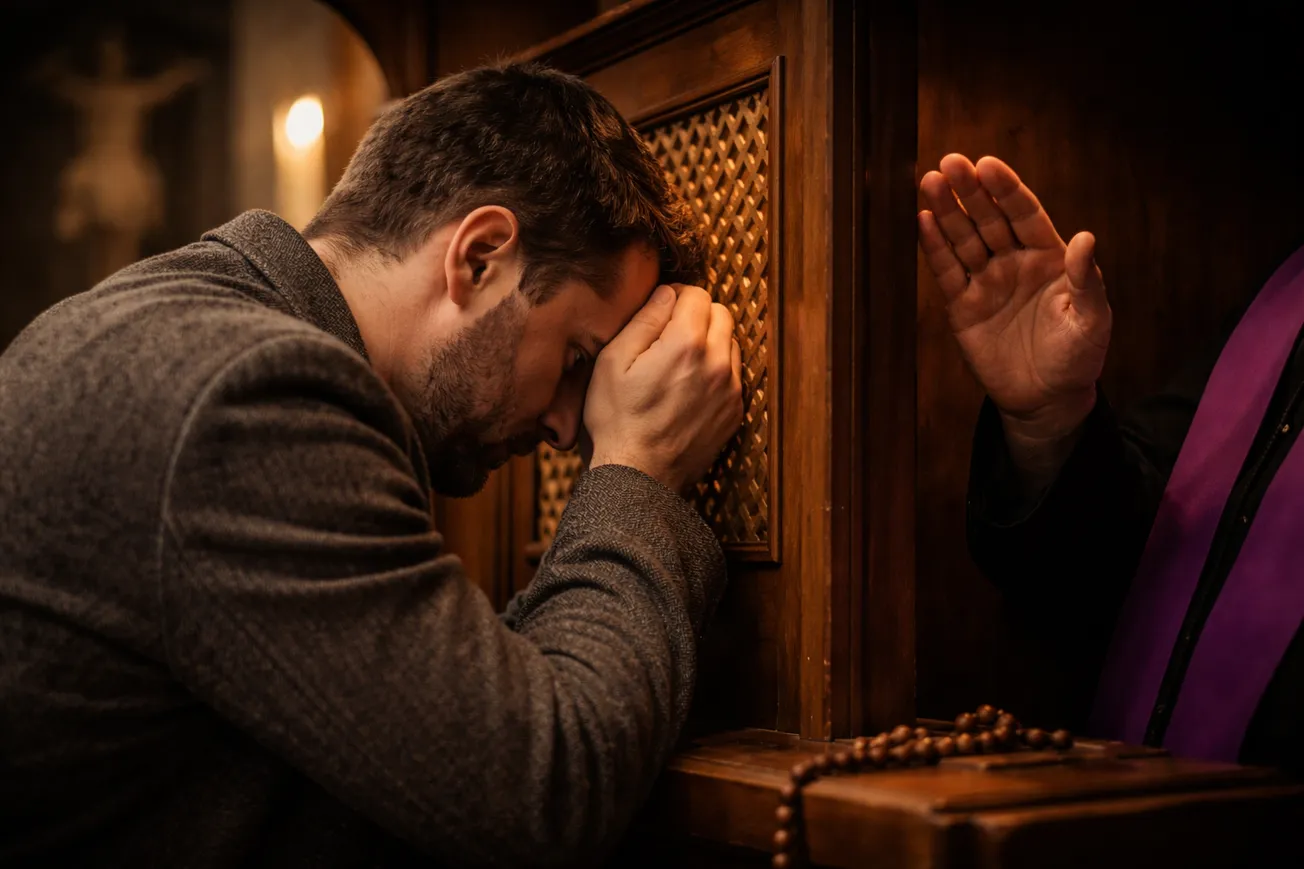
For Catholic professionals, this is also a leadership moment. Renewal in the Church will not come only from structures or strategies, but from personal conversion. And personal conversion begins, very often, in the confessional.

The call to leadership today is not reserved for a few. It is a call extended to all of us who have been entrusted with influence, whether in business, education, family life, or civic engagement.
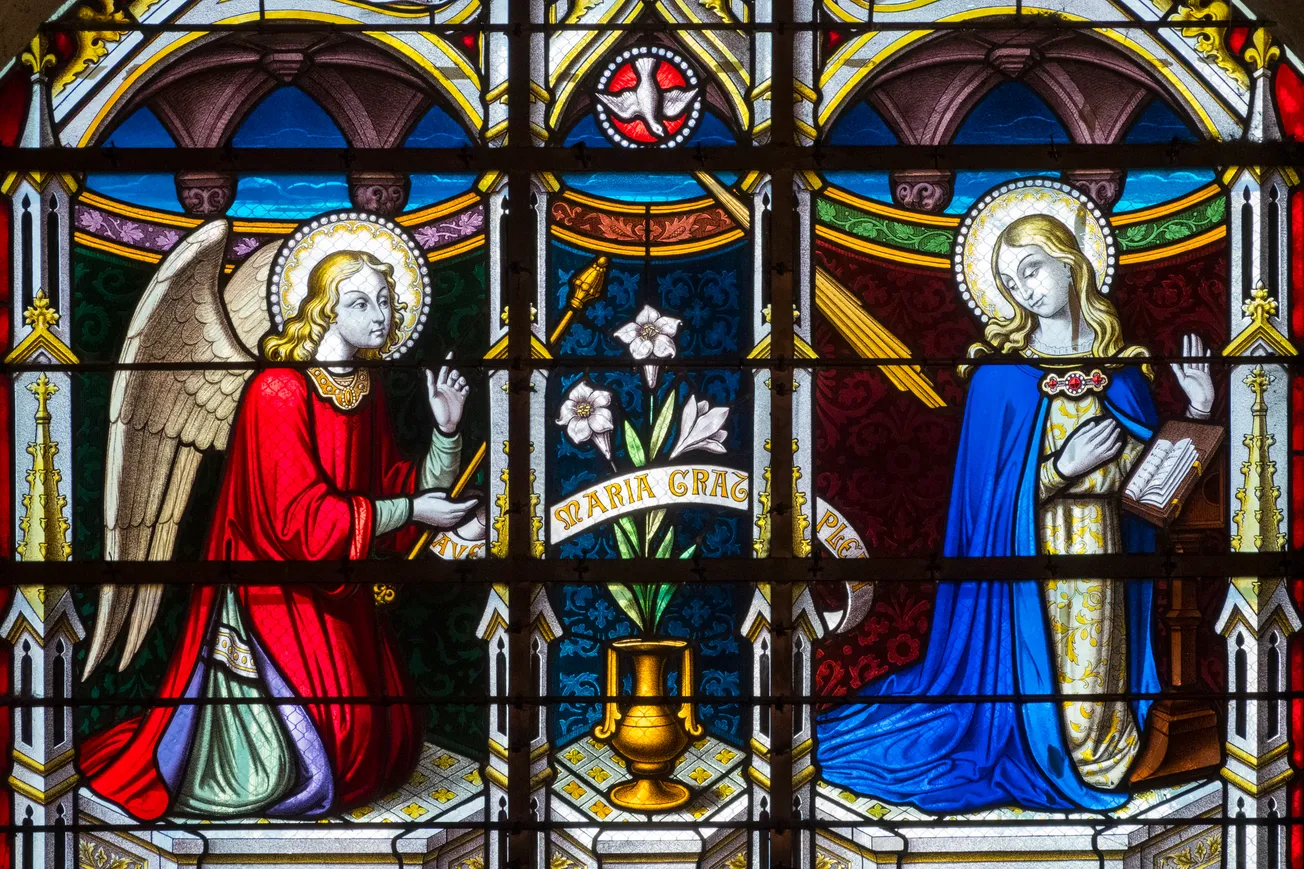
The Annunciation reminds lay leaders that they, like Mary, are called to bear God’s presence into the world. Lay leaders, in their workplaces, communities, and families, have opportunities to bring light, hope, and moral clarity into the spheres they inhabit.
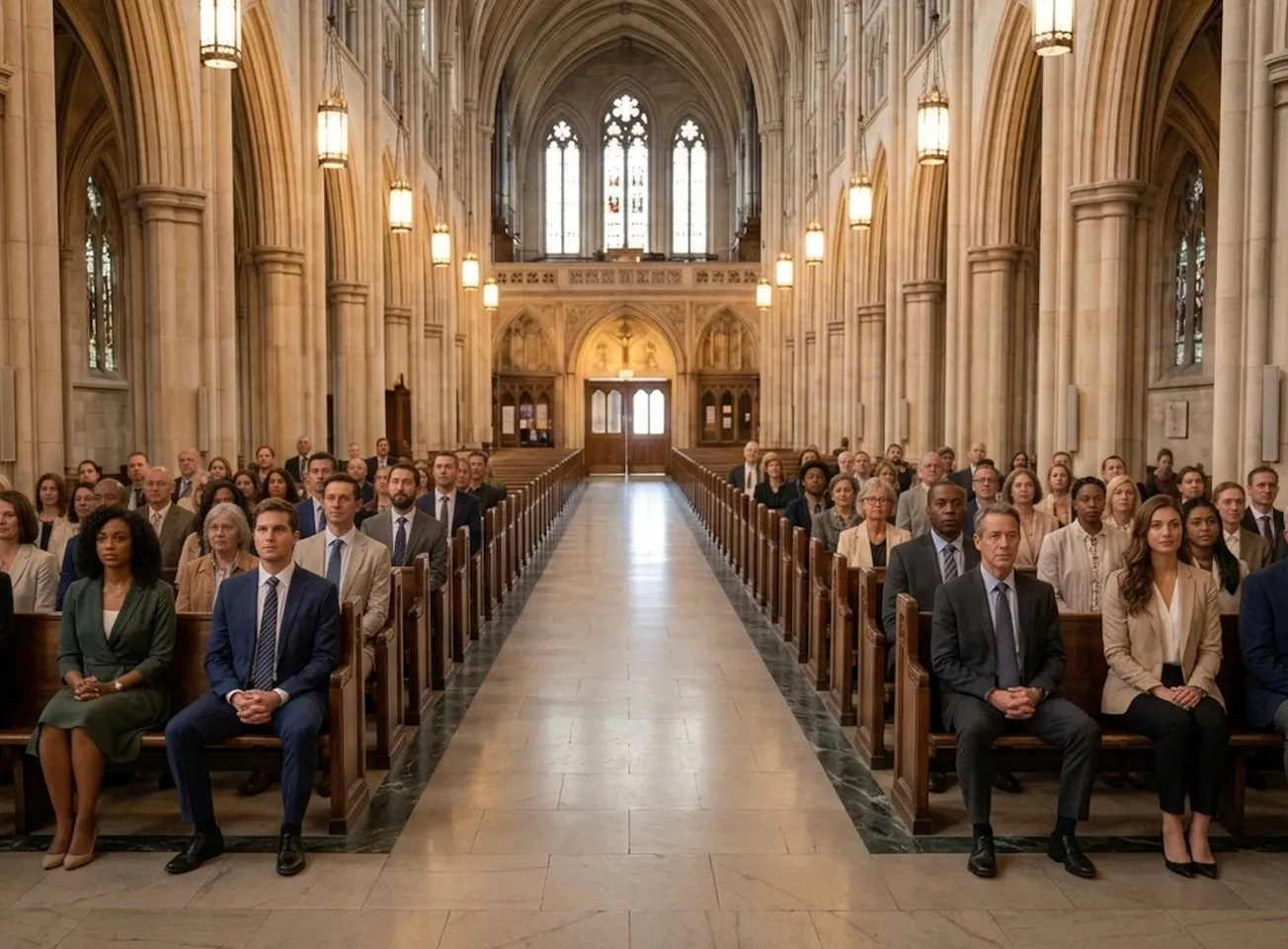
Many are discovering that the Catholic faith offers precisely what modern culture cannot, a coherent vision of the human person, a moral framework, and a living encounter with Christ.
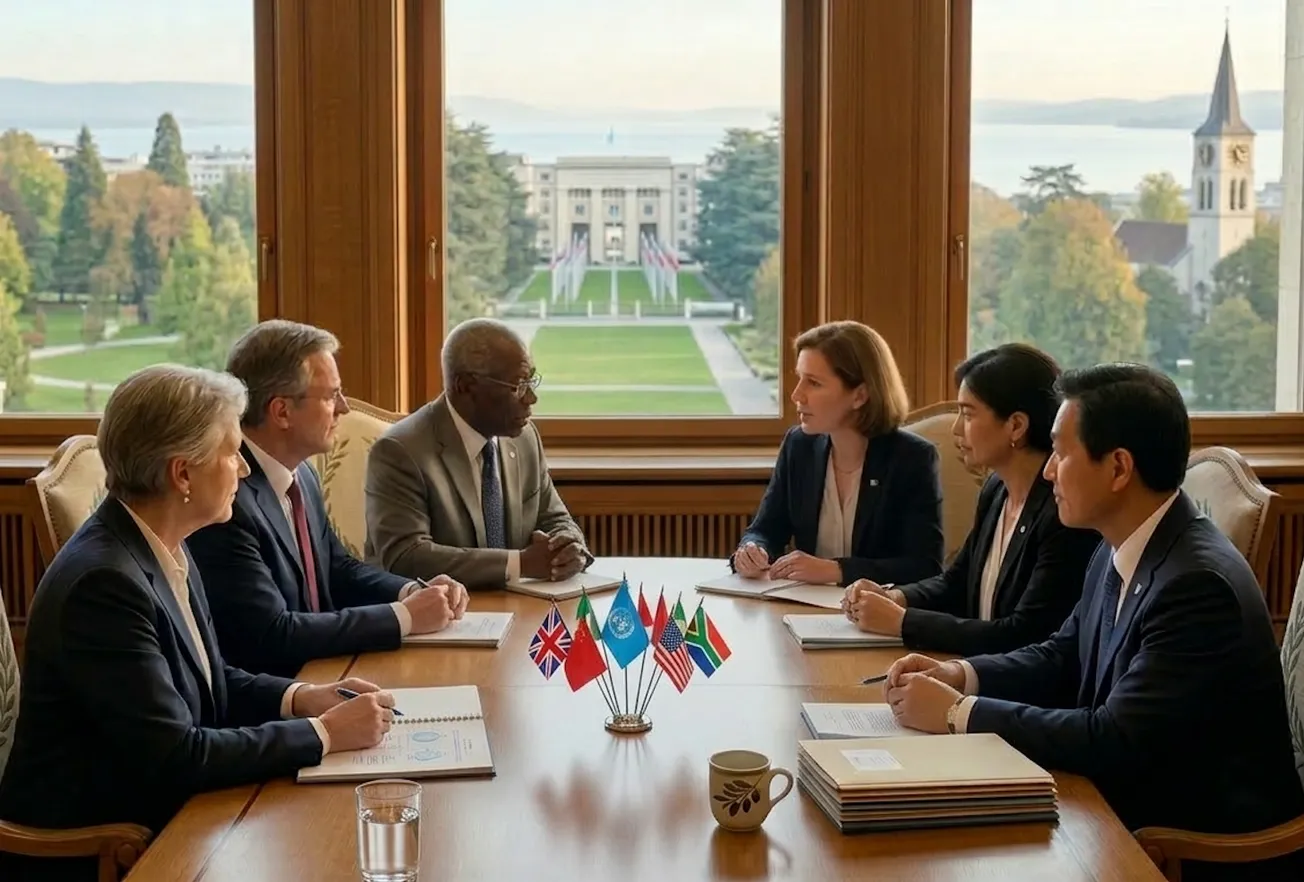
Catholic professionals engaged in diplomacy, international business, or public service have the opportunity to integrate these principles into their work. By doing so, they can model a form of leadership that elevates global affairs from the pursuit of advantage to the stewardship of peace.
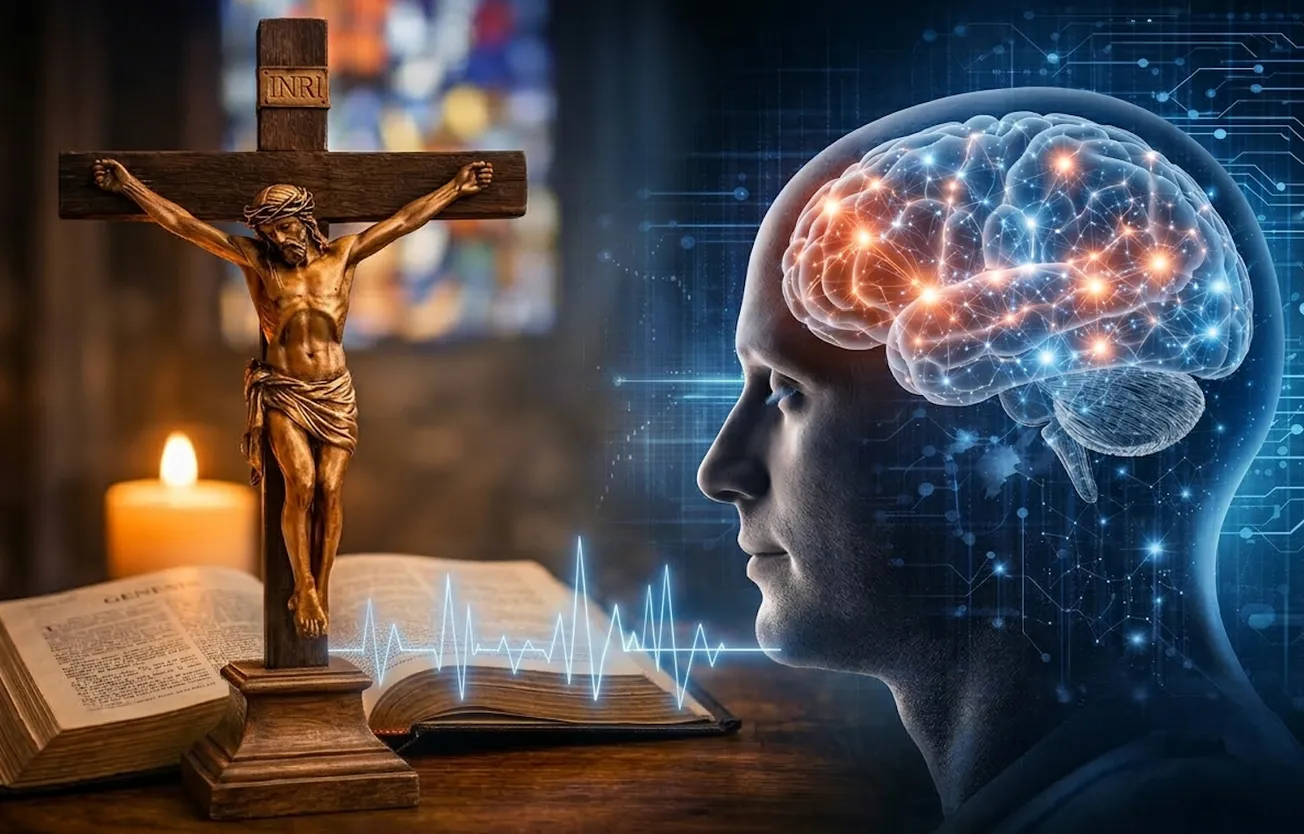
Neuroscience may one day allow us to manipulate brain states or predict behavior patterns, but Catholic anthropology insists that humans are not merely biological machines. Each person possesses inherent dignity, rooted in being created in the image and likeness of God.

Truth is not merely about facts or policies; it is about alignment between who we are, what we believe, and the decisions we make.
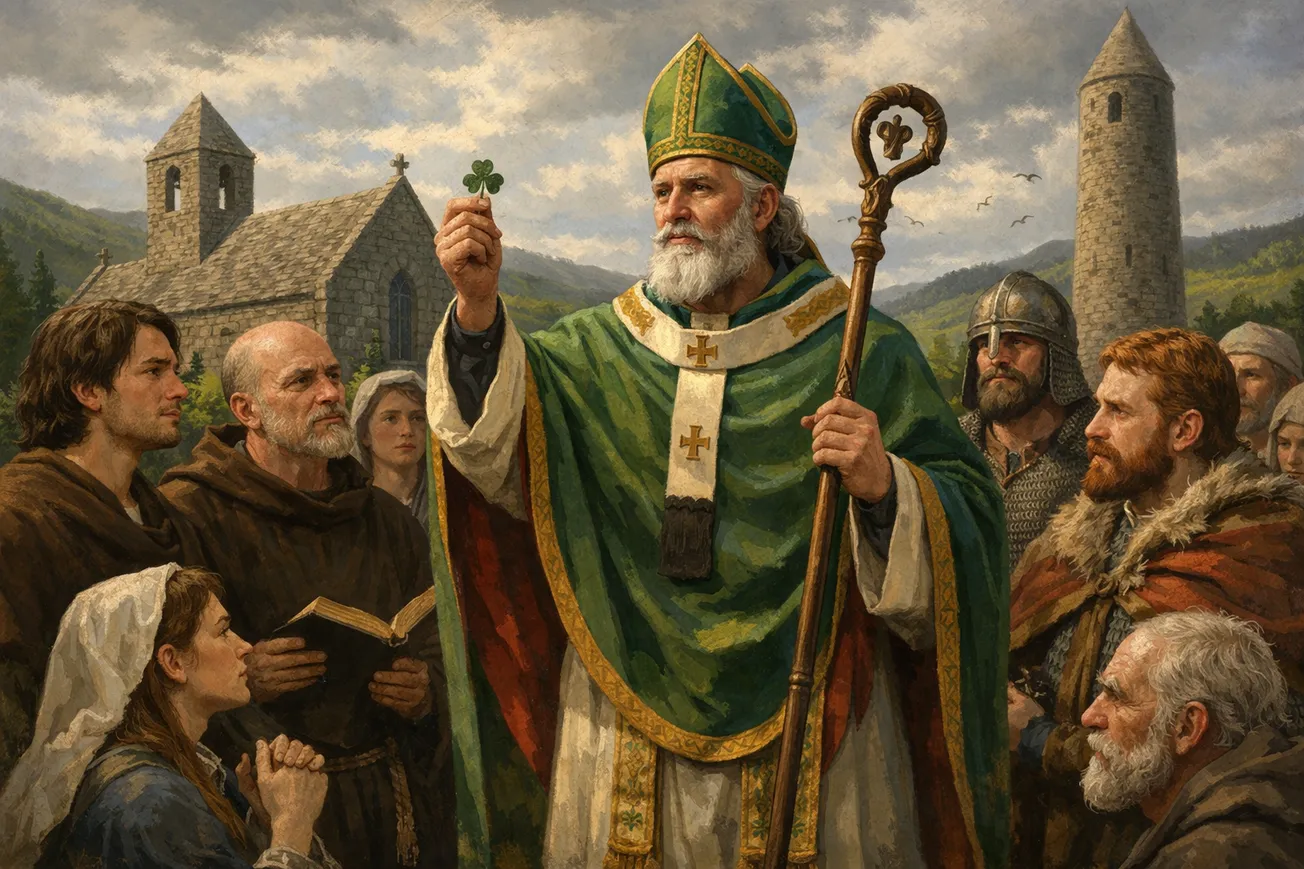
Leaders in every field encounter challenges that demand courage. Like Patrick, they must respond to opportunities for service, even when the path is difficult or unfamiliar.

Catholic professionals cannot see their faith as something separate from their economic responsibilities. Instead, they are called to witness to a vision of economic life rooted in responsibility, service, and human dignity.

Laws and regulations may help curb harmful practices by technology companies, but they cannot by themselves form the character and habits of the next generation.