In a world increasingly marked by conflict, polarization, and competing national interests, the Catholic understanding of peace offers both clarity and a moral compass for leaders in global affairs. Far from being a mere absence of war, Catholic peace is rooted in the dignity of the human person, the common good, and the pursuit of justice grounded in truth.
Peace as the Fruit of Justice
Central to Catholic teaching is the conviction that peace and justice are inseparable. As Saint John Paul II reminded the world, “True peace is not merely the absence of conflict but the presence of justice.” In international relations, this principle challenges nations to pursue policies that protect the vulnerable, uphold human rights, and ensure that economic and political systems serve all people, not just the powerful. Leaders guided by Catholic social teaching recognize that a peace built on oppression or exploitation is fragile and ultimately self-defeating.
The Role of Diplomacy and Dialogue
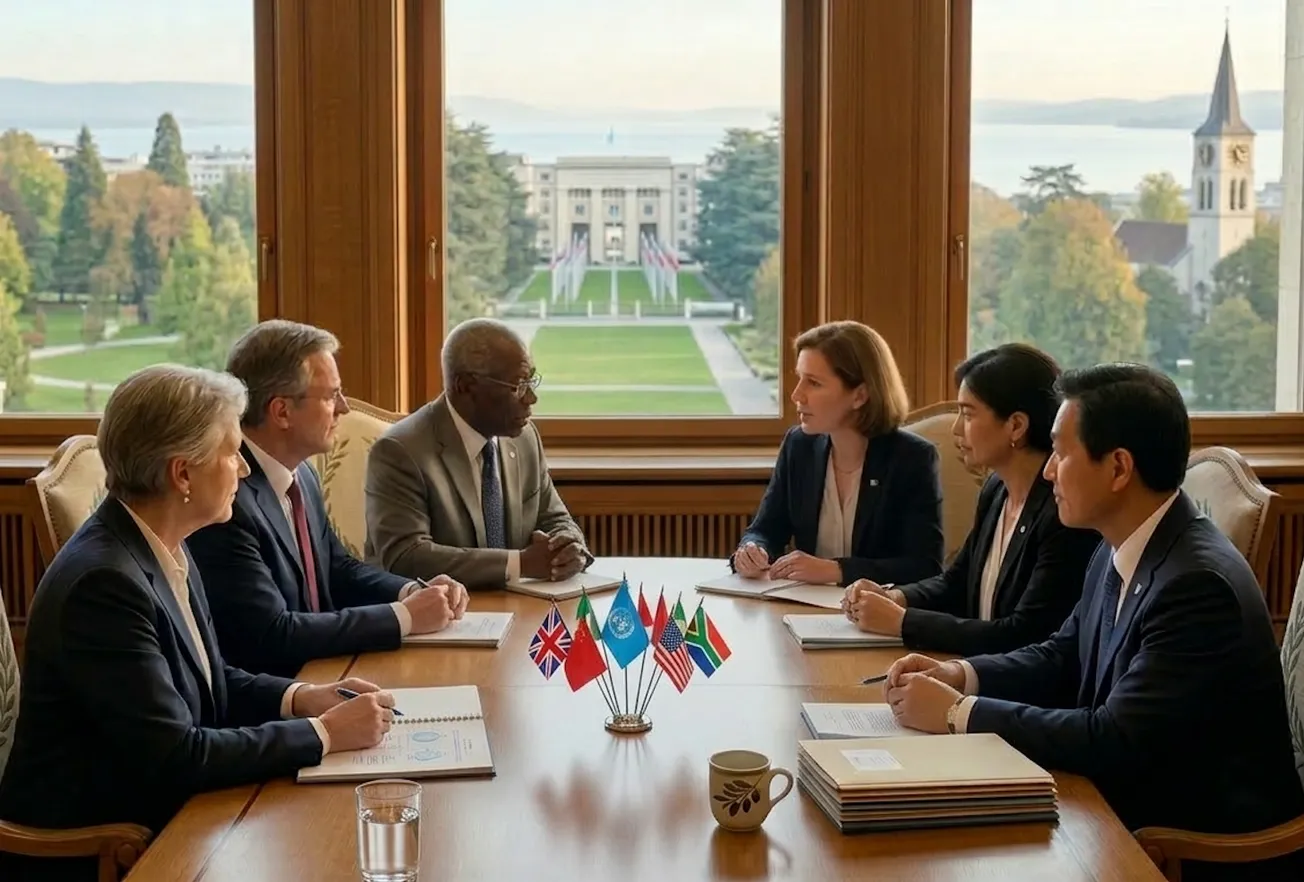
The Church consistently emphasizes dialogue as a path toward reconciliation. Effective diplomacy requires more than negotiation over interests; it demands a willingness to understand the perspectives, fears, and aspirations of others. Catholic diplomacy, informed by the principles of subsidiarity and solidarity, encourages engagement at all levels, from local communities affected by conflict to international forums addressing global crises. By fostering relationships built on trust and mutual respect, leaders can cultivate durable solutions rather than temporary ceasefires.
Nonviolence and the Just War Tradition
While Catholic teaching upholds the moral legitimacy of self-defense and the just war framework, it continually reminds policymakers that war must always be a last resort. Nonviolent strategies, such as economic cooperation, conflict mediation, and humanitarian intervention, should be pursued whenever possible. The Catechism of the Catholic Church emphasizes that the avoidance of war is not only a moral good but a reflection of the ultimate vocation of humanity: to live in communion and harmony. Leaders who integrate this perspective into global strategy elevate ethical considerations above mere expediency.
Development as a Path to Peace
Peace in Catholic understanding is inseparable from human development. Poverty is barrier to lasting stability. Programs that promote education, health care, and economic opportunity serve as instruments of peace. When citizens experience security, dignity, and hope for the future, the seeds of conflict are less likely to take root. For professionals in global affairs, this highlights the moral responsibility to prioritize policies that foster integral human development alongside traditional security measures.
The Universal Call to Responsibility
Catholic teaching reminds leaders that peace is a shared responsibility. While governments and international organizations play a crucial role, individuals, communities, and institutions must also engage. Faith, civil society, and business can all contribute to shaping environments where justice prevails and human dignity is respected. In the modern world, the well-being of one nation is intertwined with the well-being of all, reflecting the Church’s vision of solidarity and the moral interconnectedness of humanity.
A Vision Beyond Politics
Ultimately, the Catholic vision of peace transcends immediate political objectives. It calls for courage, moral clarity, and an unwavering commitment to human dignity. In global affairs, this perspective challenges leaders to think long-term, to prioritize ethical principles, and to resist the temptation of short-sighted power plays. It is a reminder that the goal of any policy should be the flourishing of people and the harmonious coexistence of nations, rooted in truth and guided by conscience.
Catholic professionals engaged in diplomacy, international business, or public service have the opportunity to integrate these principles into their work. By doing so, they can model a form of leadership that elevates global affairs from the pursuit of advantage to the stewardship of peace.
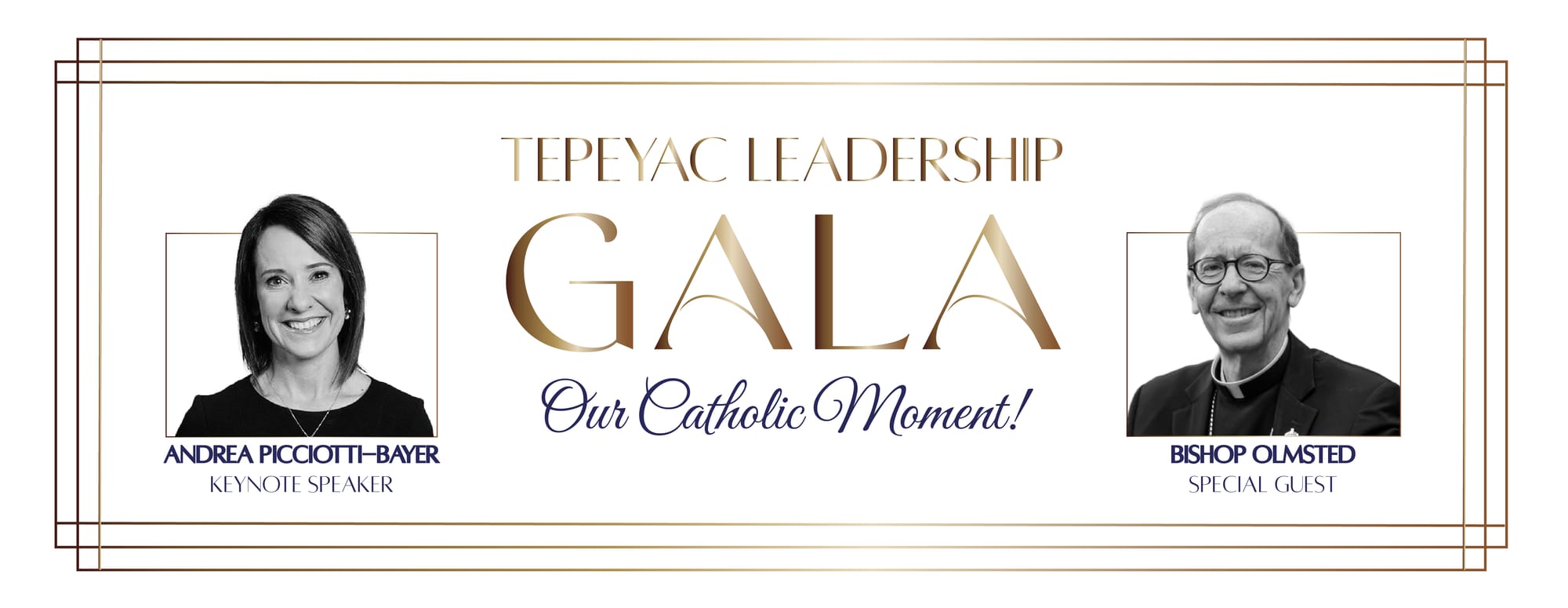
P.S. Last year, as guests arrived at the venue for the Tepeyac Leadership Gala, we asked them a simple but important question. Their answers were thoughtful, candid, and deeply hopeful for the future of our Church and our society. In the video below, you will see a compilation of their responses.