A phone buzzes during dinner. A smartwatch vibrates in the middle of prayer. A work message appears late at night just as a person is preparing for rest. For many professionals, notifications have become the background soundtrack of daily life. Emails, text messages, calendar alerts, social media updates, and breaking news constantly compete for attention. Technology has undoubtedly made communication faster and work more efficient, but there is also a hidden spiritual cost to living in a perpetual state of interruption.
Modern professionals often speak about burnout, stress, and digital fatigue. Yet Catholics should also ask a deeper question: what happens to the soul when silence disappears?
The Loss of Interior Silence
Throughout Scripture, God frequently speaks in silence. The prophet Elijah encountered the Lord not in the earthquake or fire, but in a “still small voice.” Christ Himself often withdrew from crowds in order to pray in solitude. Silence is not emptiness. It is the environment in which the heart becomes attentive to God.
Constant notifications make this interior attentiveness difficult. Even when people are physically alone, they are rarely mentally quiet. Every vibration or sound pulls the mind outward. Attention becomes fragmented. The soul grows accustomed to distraction.
Over time, this can weaken one’s prayer life. Many Catholics sit down to pray while their phones remain inches away. A single alert can instantly shift the mind from contemplation to anxiety, curiosity, or work. Even after the notification is dismissed, the interior recollection has already been broken.
The danger is not merely technological. It is spiritual. A distracted life can gradually become a shallow life.
The Illusion of Urgency
Notifications train people to believe that everything is urgent. Every email feels immediate. Every message demands a response. Professionals begin living reactively rather than intentionally.
This mindset can slowly erode peace. A person who constantly checks devices often loses the ability to be fully present. Family conversations become divided by glances at screens. Meals become opportunities to multitask. Even moments meant for rest are invaded by digital noise.
Catholic tradition emphasizes the importance of order. God created rhythms of work and rest, action and contemplation. The constant stream of notifications disrupts these rhythms by convincing people they must always remain available.
Ironically, many professionals wear exhaustion almost as a badge of honor. Yet perpetual availability is not necessarily virtuous. It can reflect an inability to trust that the world will continue functioning without our constant input.
Human beings are not machines. Souls need rest.
The Impact on Relationships
One overlooked consequence of digital interruption is its effect on human relationships. Nothing communicates “you are less important” quite like checking a phone while someone is speaking.
Professionals may unintentionally bring workplace urgency into their homes. Children notice when parents prioritize devices over conversations. Spouses feel the emotional distance created by divided attention. Friendships become shallower when interactions are continually interrupted.
Catholic teaching consistently emphasizes the dignity of the person before us. Love requires presence. Real listening demands attention. Constant notifications can slowly train people to treat others as interruptions instead of gifts.
Even our relationship with God can become transactional when distraction dominates daily life. Prayer becomes rushed. Mass attendance becomes mentally divided. Silence feels uncomfortable because the mind has been conditioned to expect constant stimulation.
Recovering a Life of Attention
The solution is not abandoning technology altogether. Most Catholic professionals rely on digital tools for work, communication, and service. The challenge is learning to use technology without becoming spiritually controlled by it.
Small changes can make a significant difference. Turning off nonessential notifications can restore calm. Establishing phone free meals can strengthen family relationships. Leaving devices outside the bedroom can improve both sleep and prayer. Scheduling periods of silence during the day can help retrain the mind toward recollection.
Most importantly, Catholics should intentionally protect moments reserved for God. Prayer cannot flourish where interruption reigns unchecked. Silence must become something actively defended.
The modern world profits from distraction. The spiritual life depends upon attention.
In the end, the question is not simply whether notifications consume time. The deeper question is whether they consume the interior freedom necessary to hear God’s voice. A soul constantly interrupted may eventually forget how to listen.
And in a noisy world, learning to listen may be one of the most countercultural acts of all.
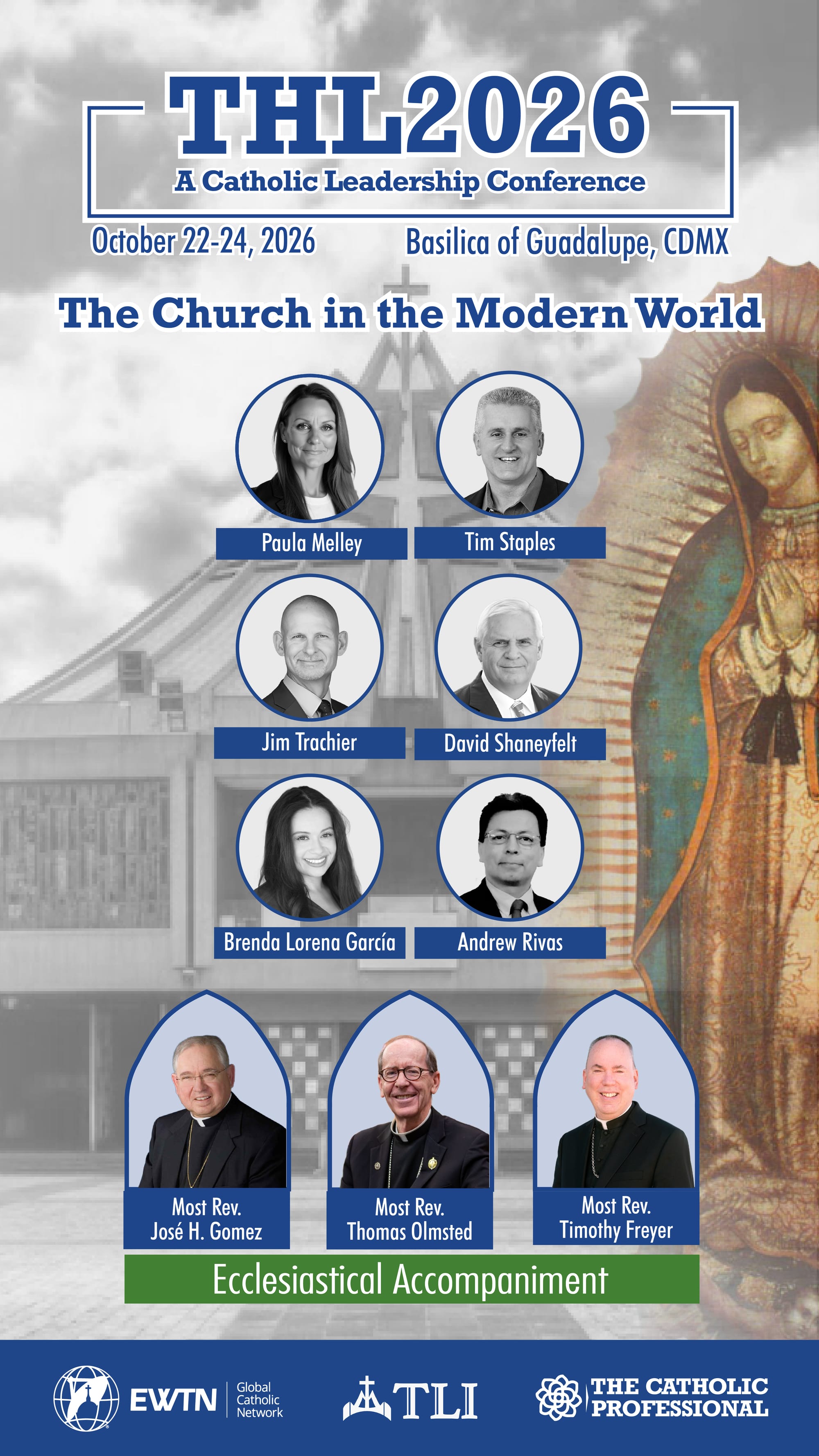
P.S. Discover the place where Our Lady of Guadalupe appeared to St. Juan Diego. See her image. And join Archbishop José Gómez, Bishop Thomas Olmsted and Bishop Timothy Freyer for The Hour of the Laity 2026 in Mexico City.