Modern professional life often feels fragmented. Meetings run into evenings, phones never stop buzzing, and many professionals move from one obligation to another without a clear sense of rhythm or purpose. In the midst of this constant movement, routine can seem restrictive or uninspiring. Yet for Christians, a healthy routine is not a burden. It is a path toward freedom, balance, and holiness.
A well-ordered routine helps us live intentionally rather than reactively. It allows us to give proper attention to God, family, work, health, and rest. Without structure, even good things can fall into disorder. Prayer becomes occasional, exercise disappears, family life weakens, and work expands endlessly into every part of the day.
The Catholic tradition has long understood the importance of rhythm in human life. Monastic communities built their lives around prayer, labor, study, and rest. While lay professionals are not called to monastic schedules, we can still learn from the wisdom of ordered living. Routine teaches discipline, and discipline helps form virtue.
Beginning the Day with Prayer
A healthy routine begins with prayer. Before emails, news, or deadlines claim our attention, we should first turn our minds toward God. Even a few moments of morning prayer can transform the tone of an entire day.
Prayer reminds us that our identity is not found merely in productivity or professional success. We are children of God before we are employees, managers, entrepreneurs, or executives. Starting the day with Scripture, silence, the Rosary, or simple conversation with the Lord helps place everything else in proper perspective.
Many professionals live in a state of constant anxiety because every responsibility feels entirely dependent on them. Prayer counters this illusion. It reminds us that God is present in our work and that grace accompanies our efforts.
A daily routine that includes regular prayer also creates stability during stressful seasons. Professionals who pray consistently often develop greater patience, clarity, and peace in the midst of demanding responsibilities.
Caring for the Body
Physical health is often neglected by busy professionals, yet the body is not separate from the spiritual life. Fatigue, poor health, and chronic stress affect our relationships, decision making, and ability to serve others well.
Exercise does not need to become an obsession or a vanity project. It is simply good stewardship. Walking, running, strength training, or other forms of regular activity help maintain energy, discipline, and emotional balance.
A professional who never rests or cares for his health may eventually find that his work suffers as much as his personal life. Consistent exercise also teaches perseverance. It trains us to embrace effort, consistency, and delayed gratification, all qualities that strengthen both professional and spiritual life.
Healthy routines also include proper sleep and balanced eating habits. The pursuit of success should never come at the cost of destroying one’s health.
Protecting Family Life
One of the greatest dangers facing professionals today is imbalance. Work can slowly consume evenings, weekends, and even moments that should belong to family.
A healthy routine creates intentional space for spouses, children, and meaningful relationships. Family dinners, shared prayer, conversations without phones, and regular time together are not interruptions to success. They are part of a successful life.
Children especially benefit from stability and predictability. When parents create consistent routines centered on love, attention, and presence, the home becomes a place of security and formation.
Professionals sometimes justify imbalance by saying they are sacrificing for their families. Yet families often desire presence more than achievement. No professional accomplishment can replace neglected relationships.
Working with Excellence and Order
Routine also improves professional effectiveness. Structured work habits reduce distraction, increase focus, and help professionals use time wisely. Planning the day, prioritizing important tasks, and setting clear boundaries around work hours can dramatically improve productivity.
An efficient professional is not necessarily the one who works the longest hours. Often, it is the person who works with clarity, discipline, and intentionality.
Catholics should approach work as a vocation of service. Excellence matters because our work affects other people. Whether leading a company, teaching students, practicing law, or managing a business, our daily labor becomes an opportunity to contribute to society and glorify God.
In the end, routine is not about rigid control. It is about creating space for what matters most. A life ordered around prayer, health, family, and meaningful work becomes not only more productive, but also more peaceful, joyful, and fully human.
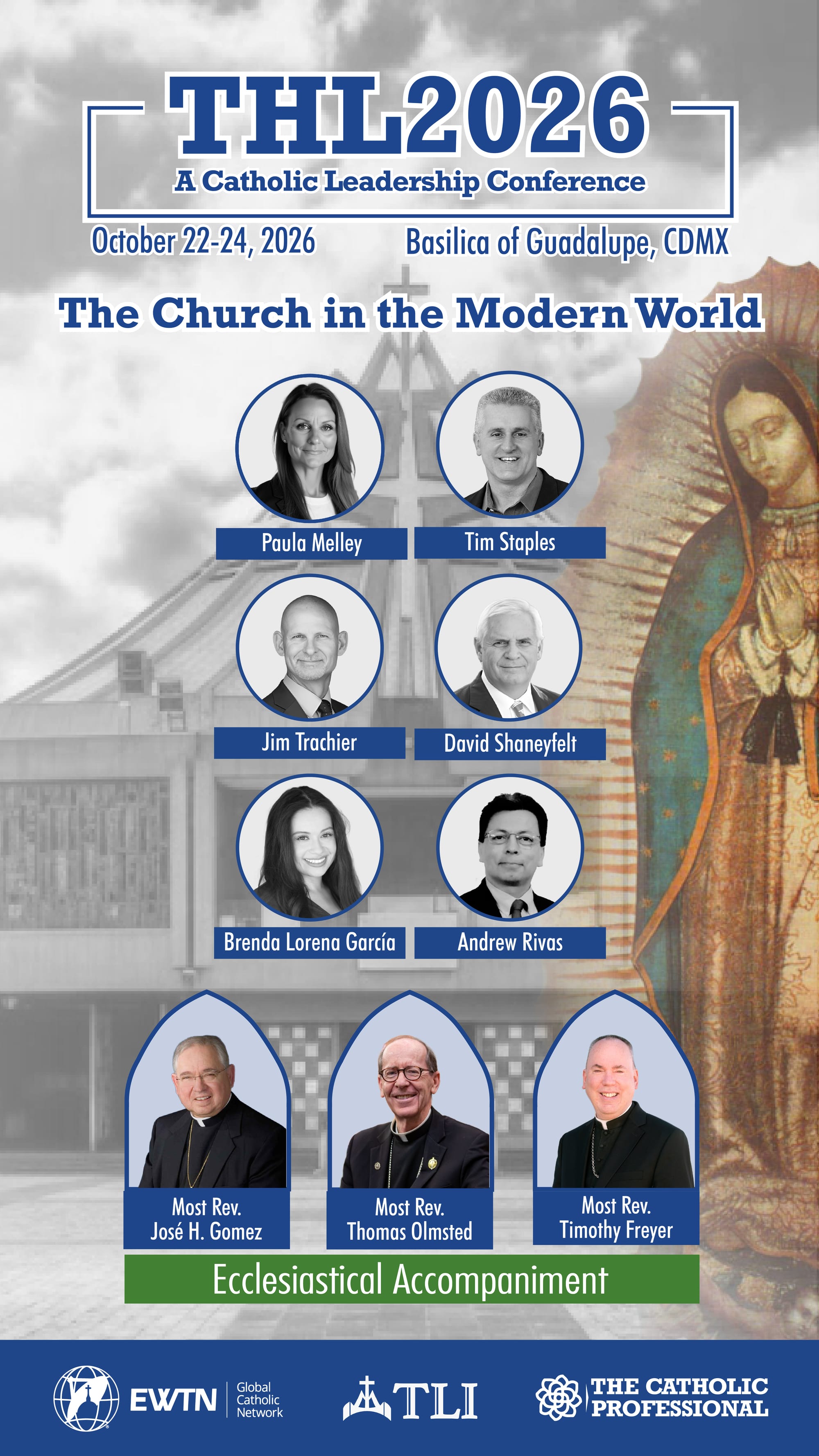
P.S. Discover the place where Our Lady of Guadalupe appeared to St. Juan Diego. See her image. And join Archbishop José Gómez, Bishop Thomas Olmsted and Bishop Timothy Freyer for The Hour of the Laity 2026 in Mexico City.