Leadership today is loud, fast, and relentlessly demanding. Calendars overflow, expectations multiply, and the pressure to perform never really shuts off. For Catholic professionals, this intensity carries an added weight. Leadership is not only about results but about witness. It is about who we are becoming while we do what we do. This is precisely why every leader needs a Rule of Life.
What a Rule of Life Really Is
A Rule of Life is not a rigid schedule or a spiritual straitjacket. It is a deliberate pattern of living that orders our time, energy, and priorities toward what matters most. For centuries, the Church has understood this wisdom through monastic rules, most famously the Rule of Saint Benedict. While most leaders are not monks, the underlying insight applies just as powerfully to lay life. A well ordered life creates the conditions for freedom, clarity, and fruitfulness.
The Cost of Living Without a Rule
Without a Rule of Life, leadership becomes reactive. We respond to the loudest voice, the most urgent email, or the latest crisis. Over time, this reactivity fragments the soul. Prayer becomes sporadic, family life is squeezed into leftover moments, and work expands to fill every available space. Even good intentions slowly erode under constant pressure. A Rule of Life interrupts this drift by reasserting intentionality. It's also a private and personal commitment to God and not a performance for others.
Who Is Actually in Charge of Your Life
At its heart, a Rule of Life answers one fundamental question. Who is in charge of my life? For the Catholic leader, the answer must be Christ. But good intentions alone are not enough. If Christ is truly Lord, then our days must reflect that reality in concrete ways. A Rule of Life translates faith from abstraction into practice. It ensures that prayer, sacramental life, family, rest, and service are not optional extras but structural commitments.
Structure as a Source of Freedom
Leaders often believe that structure limits creativity or flexibility. In reality, the opposite is true. Just as an athlete thrives within disciplined training, a leader flourishes within a clear rhythm of life. When prayer has a stable place, decision making becomes calmer. When rest is protected, judgment sharpens. When work has boundaries, relationships deepen. Structure does not suffocate leadership. It sustains it.
A Remedy for the Temptation of Self Importance
A Rule of Life also guards against the subtle temptation of self importance. Leadership easily feeds the illusion that everything depends on us. Overwork becomes a badge of honor, and exhaustion masquerades as virtue. A Rule of Life humbles the leader by acknowledging limits. It reminds us that we are collaborators, not saviors. God works even when we rest, pray, or step away. This humility is not weakness. It is spiritual realism.
One Rule, Many Vocations
Importantly, a Rule of Life is personal and adaptable. It should reflect one’s vocation, season of life, and responsibilities. A parent of young children will live a different rhythm than an executive nearing retirement. What matters is not perfection but fidelity. Small, consistent commitments shape the soul far more than heroic but unsustainable efforts.
For Catholic professionals, leadership is a path of sanctification. The boardroom, the office, and the marketplace are places where holiness is forged through daily choices. A Rule of Life becomes a quiet anchor in turbulent waters. It keeps the leader rooted in prayer, grounded in truth, and oriented toward love.
In a world that rewards constant motion, choosing a Rule of Life is a countercultural act. It proclaims that success is not measured only by output but by integrity. It insists that leadership flows from interior order. And it reminds us that the most effective leaders are not those who burn the brightest, but those who endure with wisdom, peace, and faithfulness.
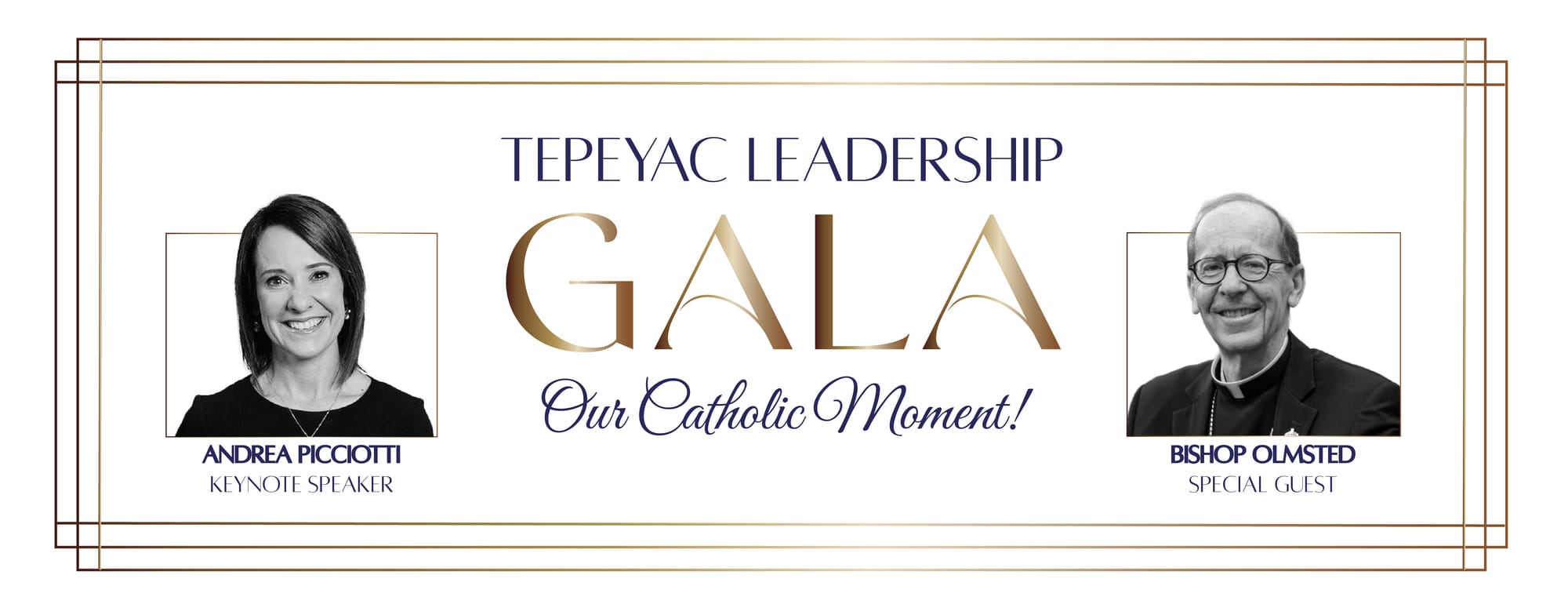
P.S. The countdown is on for the 2nd Tepeyac Leadership Gala, secure your tickets today by clicking below!