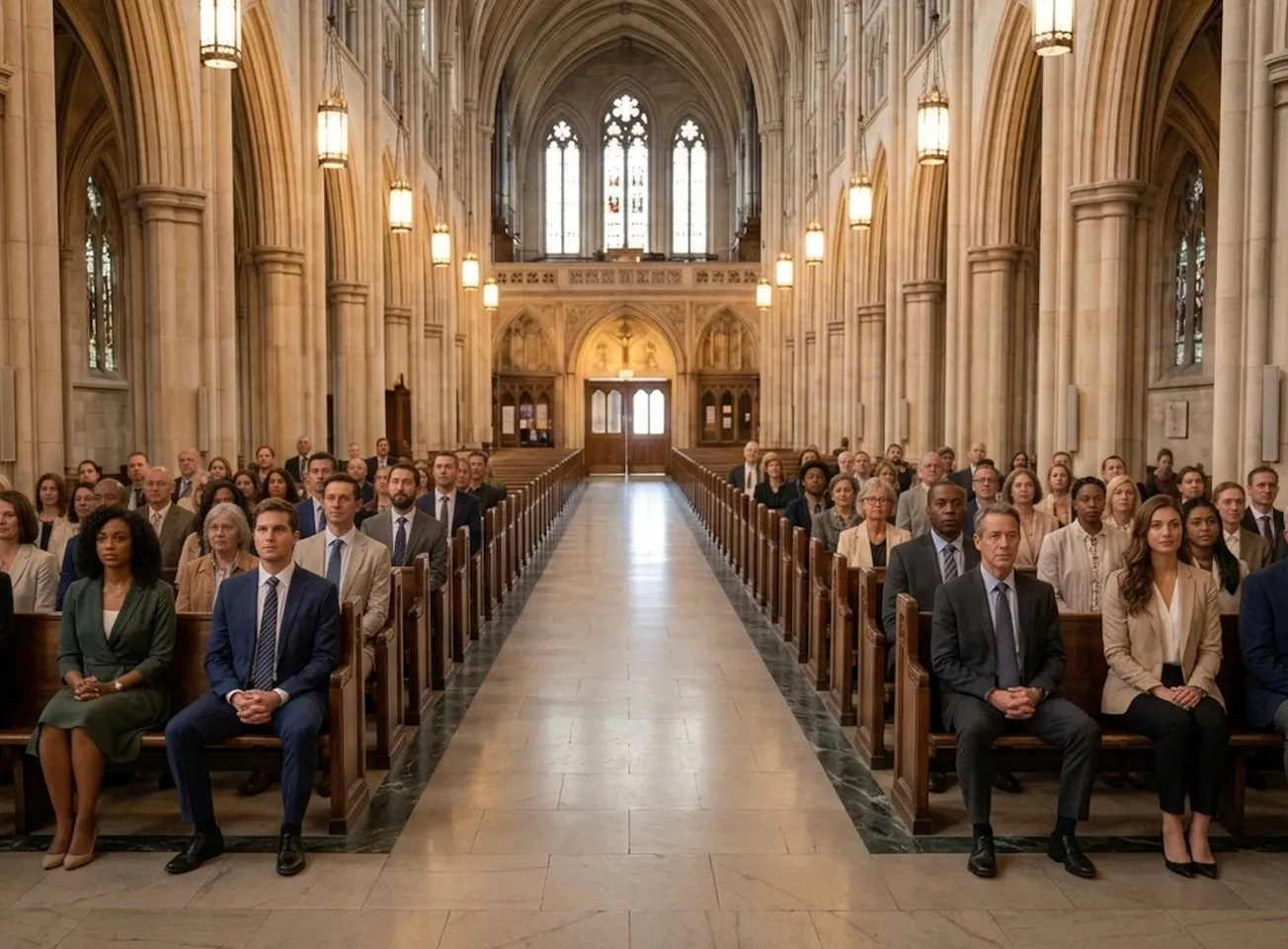
For decades, the narrative surrounding Catholicism in the West has been one of decline. Empty pews, cultural secularization, and a growing distance between faith and public life seemed to define the trajectory. Yet something unexpected is happening. Beneath the surface, a quiet but real renewal is emerging, and it is increasingly being driven not from the pulpit alone, but from the pews.
A Moment of Opportunity
Recent data suggests that the long decline of Christianity in the West is slowing, and in some places, even reversing. In the United States, dioceses are reporting significant increases in adult baptisms and conversions. In fact, some regions have seen remarkable growth in new Catholics, with young adults leading the way.
This trend is not limited to America. Across Europe, especially in countries like France, adult baptisms have surged dramatically. What was once considered a post Christian society is now showing signs of spiritual hunger.
The reasons are not hard to identify. A generation shaped by uncertainty, isolation, and cultural fragmentation is searching for meaning, truth, and belonging. Many are discovering that the Catholic faith offers precisely what modern culture cannot, a coherent vision of the human person, a moral framework, and a living encounter with Christ.
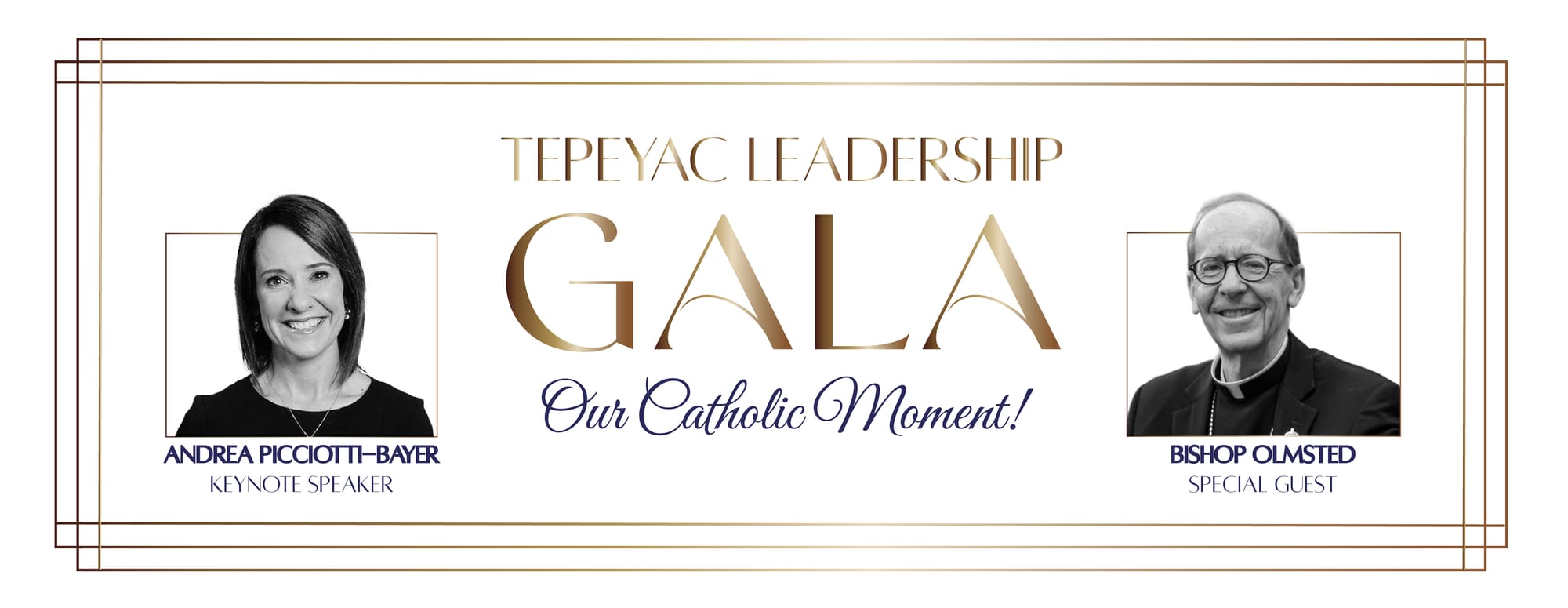
This is why Tepeyac Leadership has aptly named its second Gala theme, “Our Catholic Moment.” It is not a slogan. It is a recognition of reality.
The Rise of the Engaged Laity
What makes this moment particularly significant is who is driving it. This is not primarily an institutional renewal. It is a lay led awakening.
Young professionals, entrepreneurs, educators, and community leaders are rediscovering their faith and bringing it into their daily lives. They are not content with a privatized spirituality. They are seeking to integrate faith with work, leadership, and culture.
This is precisely the mission of Tepeyac Leadership, to form lay Catholic leaders who can sanctify the world from within. The Church has always taught that the laity are called to transform the temporal order, not by withdrawing from it, but by engaging it with excellence and virtue.
Today, that call is being lived with renewed conviction.
From business leaders who prioritize ethical decision making, to young families reclaiming a culture of life, to professionals who see their careers as vocations, the laity are stepping into their rightful role. They are not waiting for permission. They are responding to a call.
Why the Laity Will Lead Renewal
History offers a clear pattern. Periods of cultural renewal in the Church often coincide with a renewed understanding of vocation among the faithful. The difference today is the scale and urgency of the challenge.
The modern world is shaped largely outside ecclesial structures, in boardrooms, media platforms, universities, and civic institutions. If the Gospel is to permeate culture, it must be carried there by those who inhabit those spaces daily.
Clergy play an indispensable role in sacramental life and spiritual guidance. But it is the lay faithful who are uniquely positioned to influence culture from within. They are present where decisions are made, where narratives are shaped, and where the future is being built.
This is why the next cultural renewal will come through the laity. Not because it excludes the clergy, but because it depends on the full activation of the baptized.
A Call to Recognize the Moment
There is a temptation to view cultural change with pessimism. Certainly, the challenges are real. But the current signs point to something deeper, a stirring of grace.
A growing number of young people are entering the Church. Interest in Christianity is rising after decades of decline. A generation once thought lost is searching again.
This is not accidental. It is providential.
“Our Catholic Moment” is not simply about recognizing external trends. It is about accepting personal responsibility. The renewal of culture will not happen abstractly. It will happen through individuals who are willing to live their faith boldly and authentically in the world.
The laity are not the future of the Church. They are the present. And if they embrace their mission fully, they will also be the architects of its renewal in society. The moment is here.
P.S. Last year, as guests arrived at the venue for the Tepeyac Leadership Gala, we asked them a simple but important question. Their answers were thoughtful, candid, and deeply hopeful for the future of our Church and our society. In the video below, you will see a compilation of their responses.