Table of Contents
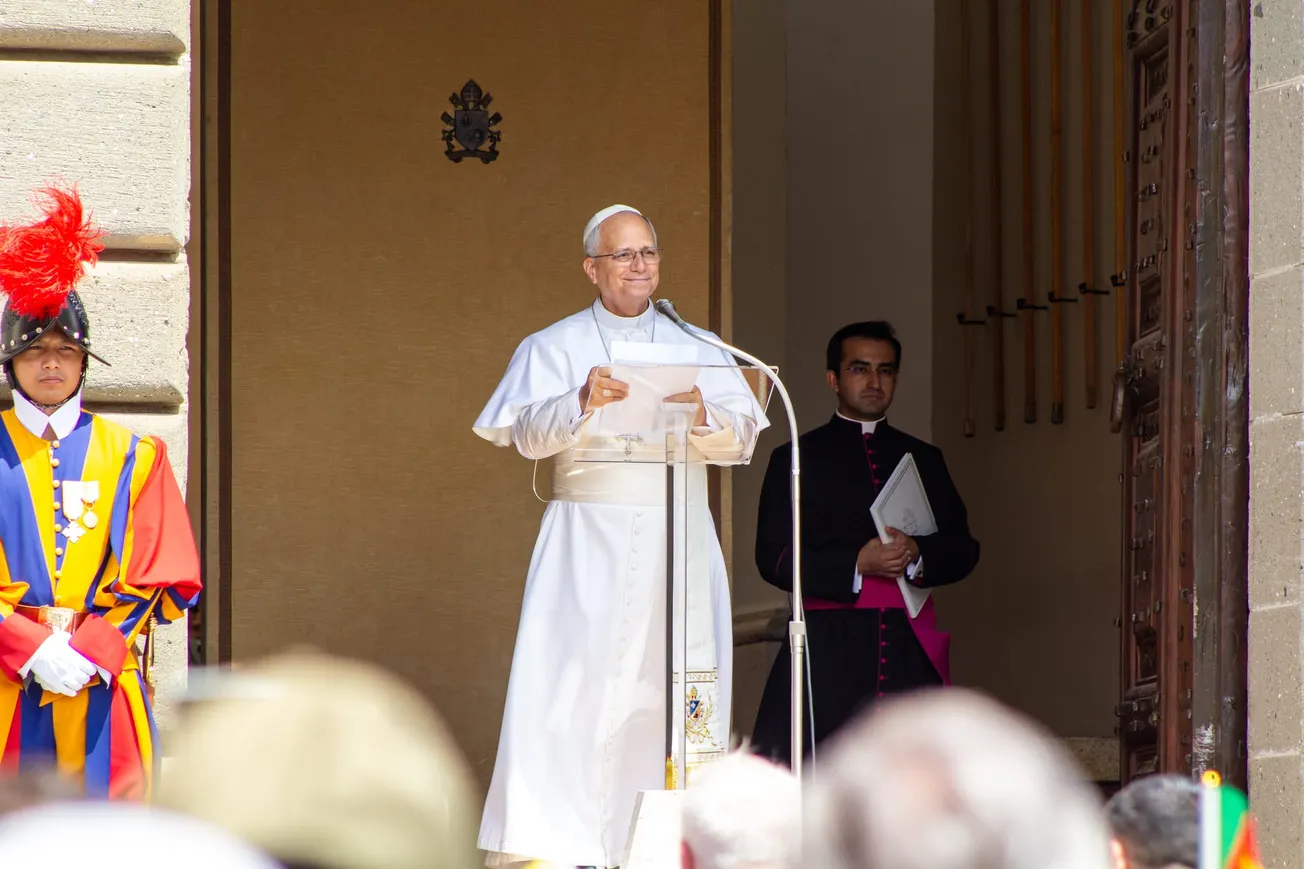
This month, Pope Leo XIV began his first apostolic journey to Africa, visiting Algeria, Cameroon, Angola, and Equatorial Guinea. More than a pastoral visit, this tour stands as a defining historical marker in the life of the Catholic Church, signaling with clarity that Africa is no longer a peripheral reality, but a central protagonist in the Church’s present and future.
A Turning Point in the Church’s Global Center of Gravity
The decision to prioritize Africa early in a pontificate carries unmistakable weight. For much of modern Church history, the narrative of Catholicism was shaped primarily by Europe and, to a lesser extent, Latin America. Today, that reality is changing rapidly. Africa is one of the fastest growing regions of Catholicism in the world, with expanding dioceses, increasing vocations, and dynamic lay participation.
This apostolic journey publicly affirms what demographic, and pastoral realities have already made evident. The Church’s center of gravity is shifting. By placing Africa at the forefront of his early travels, the Pope is recognizing a transformation already underway and giving it visible, institutional acknowledgment.
A Church Marked by Growth and Vitality
Across the continent, the Catholic Church continues to grow in both numbers and influence. Seminaries are full, religious vocations are flourishing, and parish life is marked by strong participation. In many regions, the Church plays a decisive role in education, healthcare, and social development, often filling gaps left by fragile state structures.
This vitality is not merely statistical. It is deeply cultural and spiritual. African Catholicism is characterized by a lived, communal expression of faith that integrates liturgy, family life, and social responsibility. The Pope’s presence among these communities highlights a reality that is increasingly shaping the global Church, one marked by youthful energy and missionary dynamism.
Recognition of Ecclesial Leadership in Africa
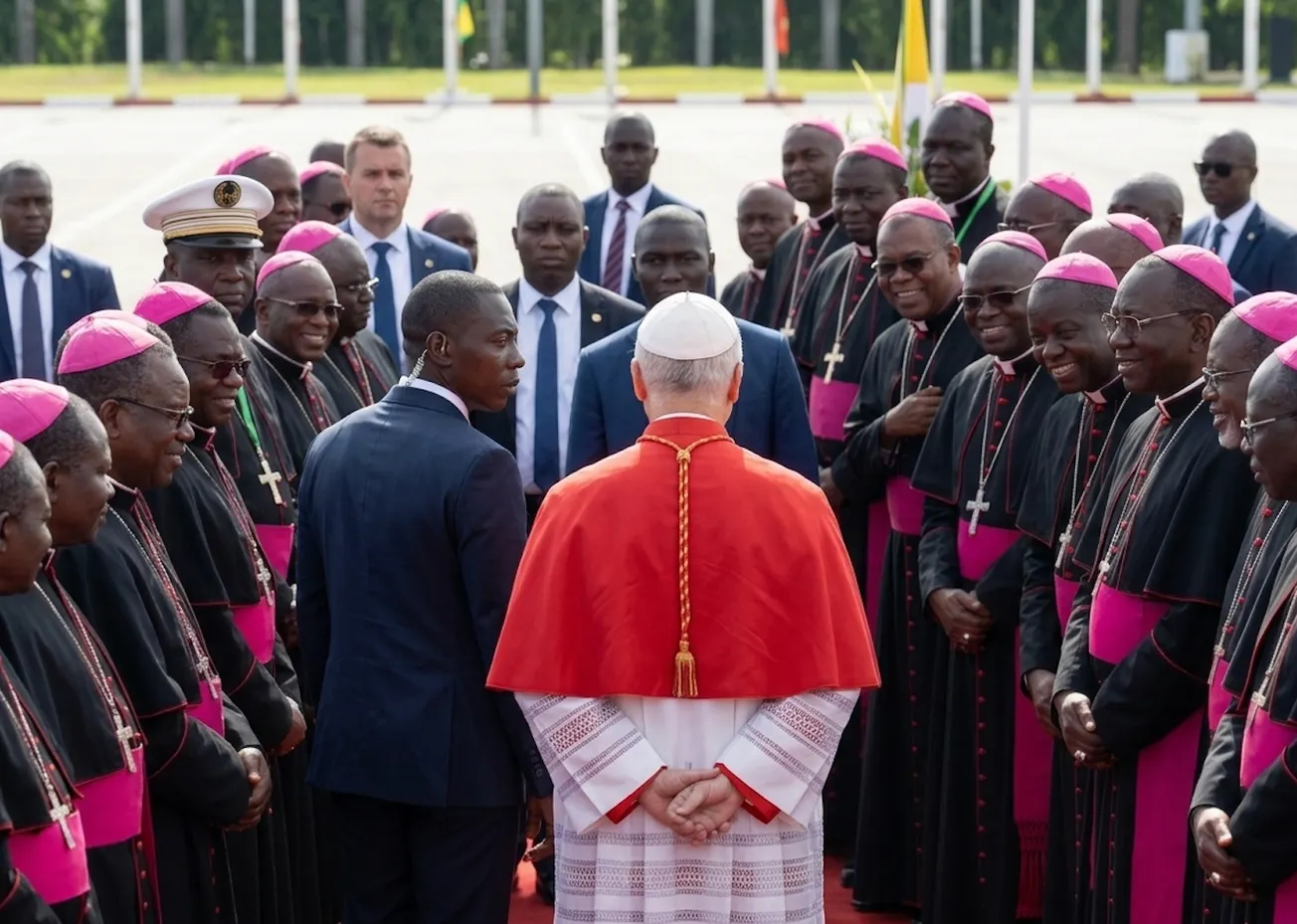
The visit also underscores the growing leadership role of African bishops, clergy, and lay faithful within the universal Church. Continental bodies such as Symposium of Episcopal Conferences of Africa and Madagascar have become important voices in global ecclesial conversations, addressing issues that range from evangelization to social justice and governance.
By engaging directly with these leaders, the Pope is not simply encouraging them. He is recognizing their authority, their experience, and their indispensable contribution to the Church’s mission. Africa is increasingly not only a recipient of missionary outreach, but a source of leadership and theological reflection for the entire Catholic world.
Faith Amid Challenge and Transformation
The significance of the tour is further deepened by the context in which the African Church lives its mission. Many of the countries visited face ongoing challenges, including political instability, economic inequality, and social tensions. Yet within these conditions, the Church continues to grow, often serving as a stabilizing and unifying presence.
This coexistence of challenge and vitality gives African Catholicism a particular weight within the global Church. It is a witness to resilience and continuity, demonstrating how the faith takes root and flourishes even in demanding circumstances. The Pope’s decision to be present in these contexts highlights their importance, not as marginal situations, but as central arenas in which the life of the Church unfolds.
A Moment That Signals the Future
Pope Leo XIV’s Africa tour will likely be remembered as more than an early pastoral journey. It is a moment that signals a broader historical shift, one in which Africa emerges with renewed visibility and influence within the Catholic Church.
As the global Church continues to evolve, the role of Africa will only become more pronounced. Its growing population, strong vocations, and vibrant communities position it as a key force in shaping Catholic life in the decades ahead. This visit does not initiate that reality, but it confirms it in a way that is unmistakable.
In this sense, the journey is both recognition and proclamation. It recognizes what Africa already is within the Church, and it proclaims, to the world and to the faithful, that the future of Catholicism will be deeply, and enduringly, marked by the African continent.
P.S. Discover the place where Our Lady of Guadalupe appeared to St. Juan Diego. See her image. And join Archbishop José Gómez , Bishop Thomas Olmsted and Bishop Timothy Freyer for The Hour of the Laity 2026 in Mexico City.