Table of Contents
Dear TLI Family,
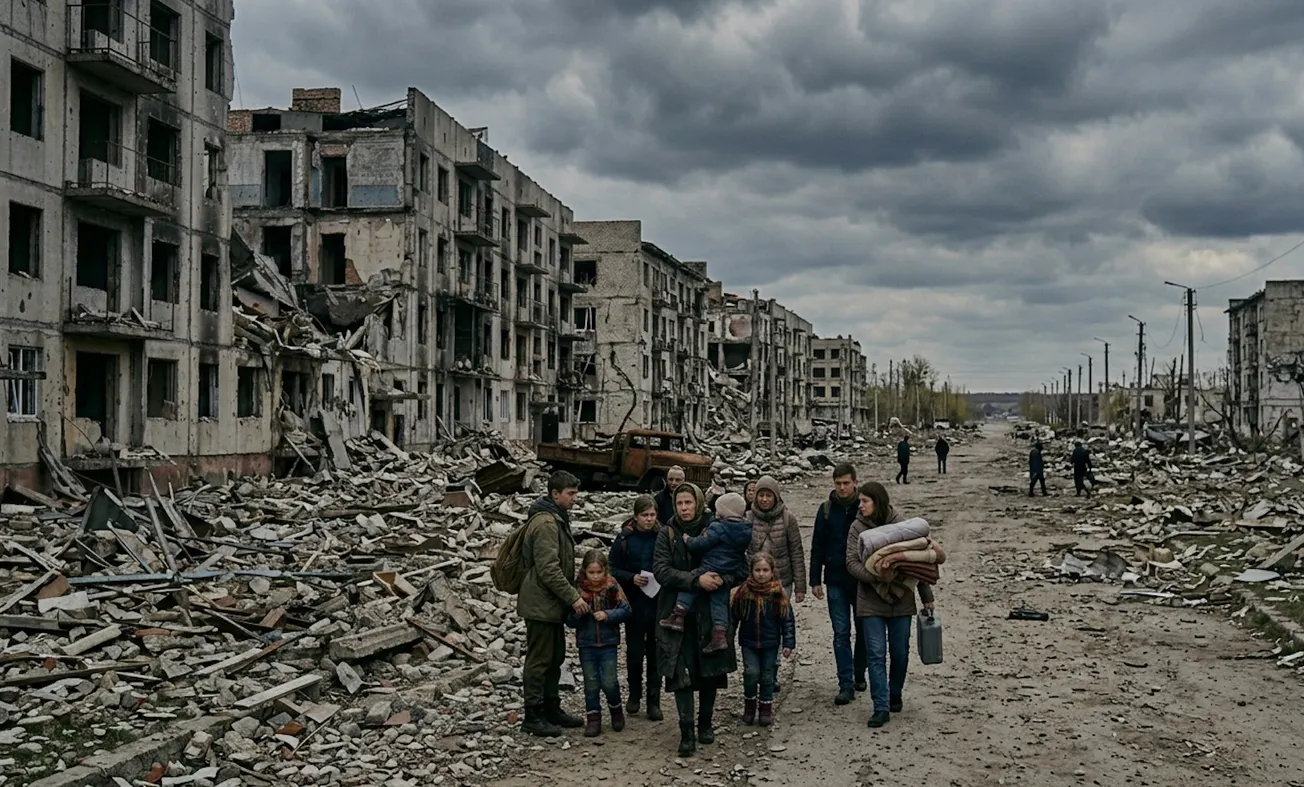
Much can happen in a couple of weeks, and lately, there has been a lot of talk about war and peace. Mostly, I’ve heard questions about what a just war is. So, is there such a thing?
I have found that much of the rhetoric in the media, even Catholic media, seeks to explain current conflicts, the actors involved, and even the Holy Father’s repeated calls for peace, through a wide range of perspectives. Many of these voices are thoughtful and sincere, yet they often remain interpretations, shaped by opinion.
What I haven’t seen are direct references to the Catholic Church’s teaching on matters of war. The Catechism of the Catholic Church already offers a clear synthesis of centuries of reflection, expressed in direct and principled language.
In its treatment of peace and war, spanning paragraphs 2302 through 2317 (which I implore you to read!) under the Fifth Commandment, the Catechism begins not with nations or armies, but with the human heart. It condemns anger, hatred, and the dispositions that give rise to violence, calling instead for reconciliation and charity. In doing so, it reminds us that peace begins with personal conversion.
It then expands to the level of society and nations. Peace is described as the fruit of justice and moral order. While every effort must be made to avoid war, the Church recognizes the possibility of legitimate defense under strict conditions. At the same time, it places firm moral limits on warfare, condemning attacks on civilians and indiscriminate destruction. Catholic teaching offers a complete framework, from interior peace to the evaluation of conflict in the world.
Why does this matter for us?
Because there are too many voices bouncing off one another today. They all claim to possess a righteous take on the current wars being waged, especially the conflict between the United States and Iran. This week, I have seen Catholics drawn into a fight of words, even framing it as a divide between the U.S. and the Vatican, each side choosing where to stand. It is disheartening to hear so much about motives and agendas, and so little about what the Church teaches. Isn’t Church teaching, Christ’s truth, our ultimate compass?
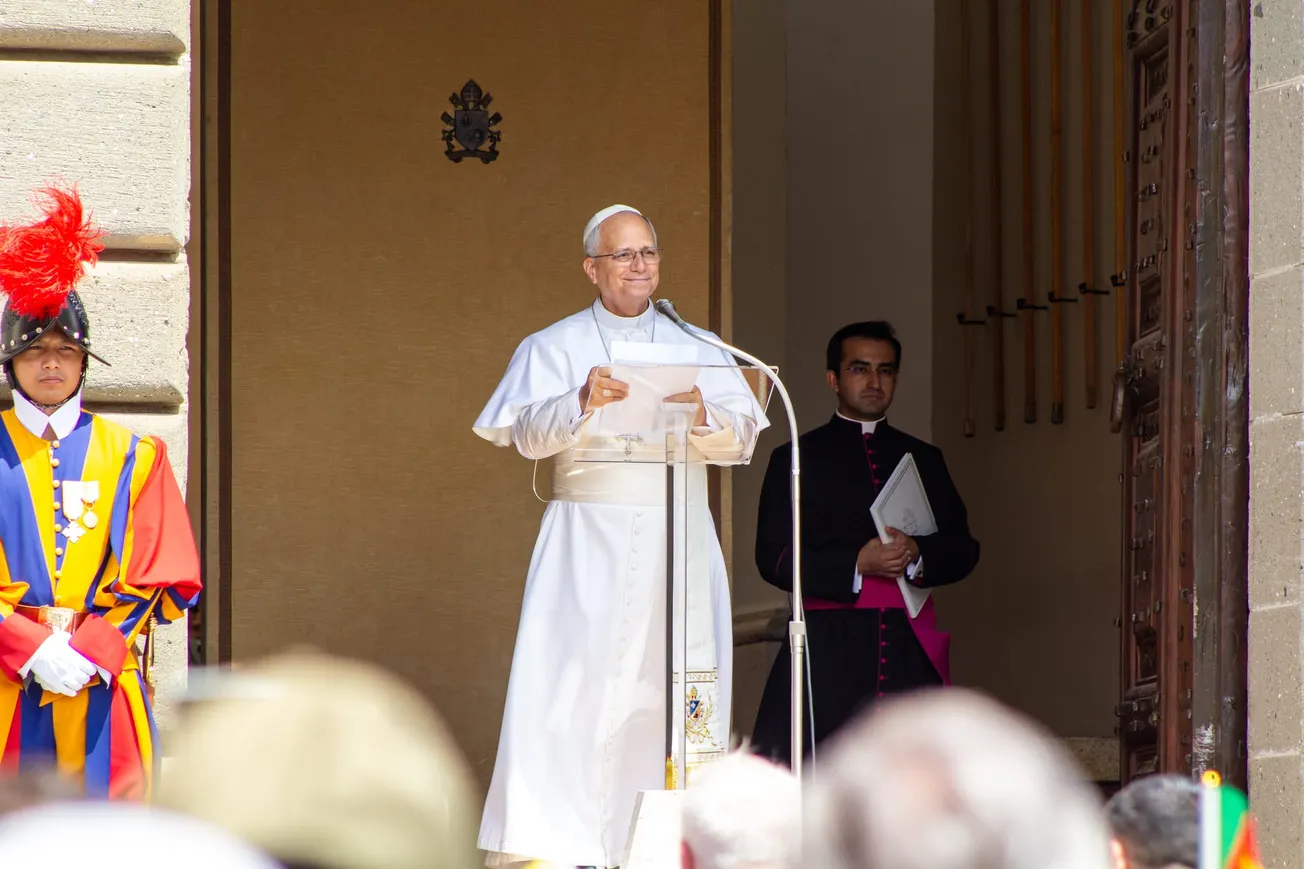
In my lifetime, I have never seen a Pope who was not a tireless advocate for peace. As far as I know, this is essential to the Petrine office. Appropriately, from the beginning of his pontificate, this Holy Father has called for peace, even before many of the current conflicts escalated. This is what the Church does! She proclaims truth and calls the world to conversion.
Friends, I urge you to pray for all world conflicts to come to an end.
Pray for Iran’s nuclear ambitions to come to a halt, for the safety and well-being of all.
Pray for our armed forces, that they may fulfill their duties and return home safely.
Pray for the Holy Father, who carries a responsibility most of us will never fully understand.
And yes, I urge you to pray for wisdom for President Trump, the president I enthusiastically voted for every time, so that he can act wisely, decisively as the leader we elected him to be, all while understanding he is not God and there are lines nobody should cross.
In moments of global uncertainty, clarity becomes a form of service. We are called not to echo prevailing narratives, but to be grounded in truth, not our own, neither that of our political party or favorite influencer, but Christ’s, and to bring that clarity into our environments with conviction and charity.
I am encouraged by our apostolate’s humble effort to shed light on authentic lay Catholic leadership for the world. This time through a new initiative we are calling Global State of Lay Catholic Leadership. If you are near Rome, be sure to learn about and join us June 4.
Our hope is to leverage our global network to begin presenting an annual report on the impact of lay Catholics around the world, highlighting how faithful leadership is shaping culture and advancing the common good. Yes, there are also good things happening in the world.
This will be more than a report. It will be an opportunity to make visible what is often unseen, the faithful work of lay men and women transforming the world from within.
Thank you for your continued commitment and witness.
Let us join the Holy Father in prayer for peace throughout the world. In a particular way, let us pray for our TLI family in Lebanon. May the Lord bring peace to this region and to every place afflicted by war.
Sincerely in Christ and Our Lady of Guadalupe,
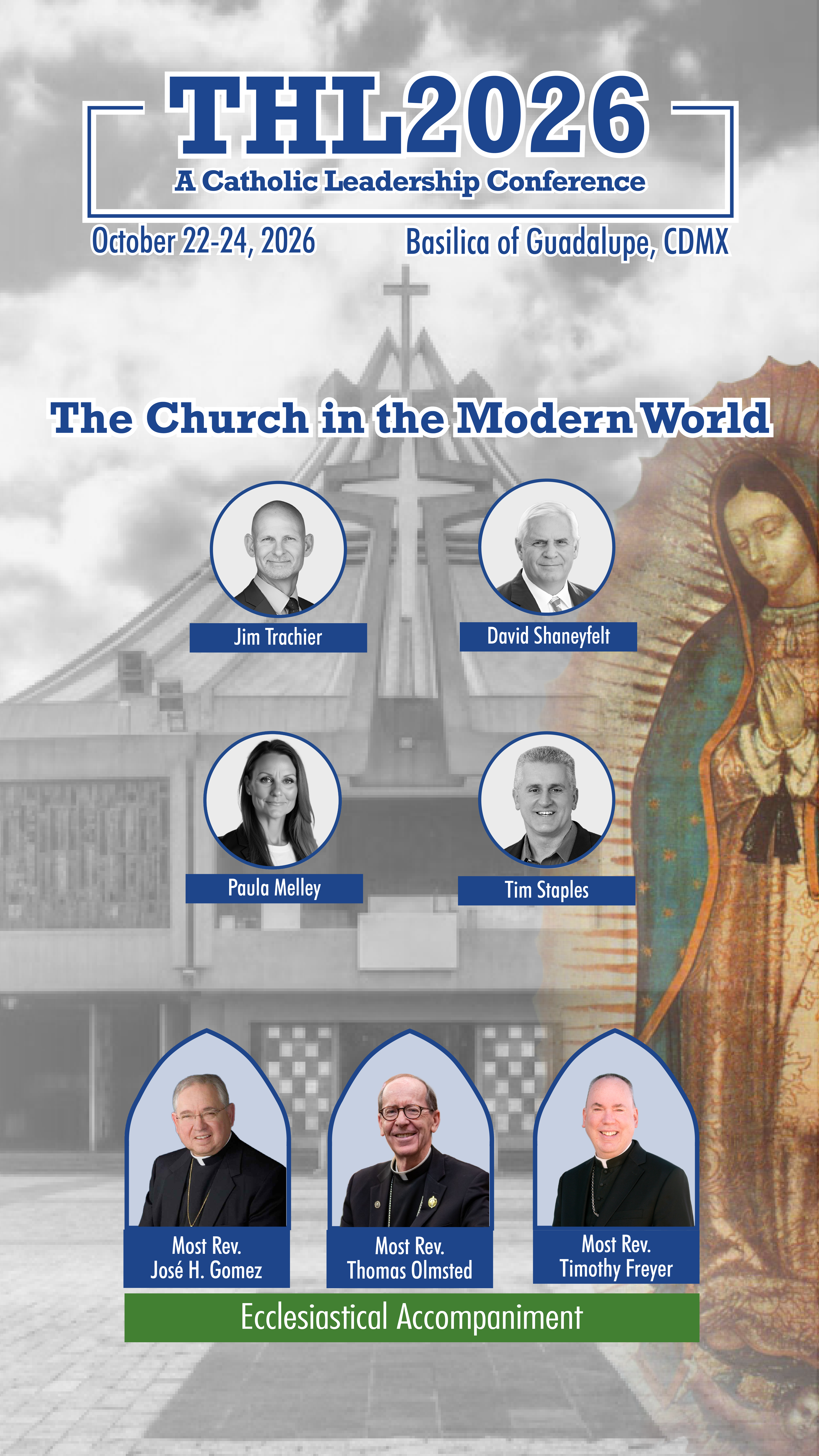
P.S. Discover the place where Our Lady of Guadalupe appeared to St. Juan Diego. See her image. And join Archbishop José Gómez , Bishop Thomas Olmsted and Bishop Timothy Freyer for The Hour of the Laity 2026 in Mexico City.