Table of Contents
In an era governed by real-time analytics and perpetual media feedback, business executives face a quiet temptation: managing by consensus. When standing at strategic crossroads, whether launching a disruptive product, navigating an ethical dilemma, or restructuring operations, leaders are increasingly advised to consult focus groups, run internal climate surveys, and align their decisions with the shifting winds of popular opinion.
Yet, relying on polls and sentiment data to guide major business decisions is not merely ineffective; it is a fundamental misapprehension of executive responsibility. For the Catholic professional, true leadership requires an anchor far sturdier than the transient, mathematically flawed whims of the marketplace.
The Broken Mirror of Modern Polling
Even on its own terms, as a diagnostic tool, public opinion polling has proven spectacularly unreliable. One need only look at recent election cycles to recognize the deep systemic fragility of polling methodologies. Across major presidential and parliamentary elections over the last decade, high-profile pollsters consistently produced systemic errors, misjudging turnout, overestimating preferred outcomes, and creating an illusory consensus that dissolved on election day.
Plagued by collapsing response rates, nonresponse bias, and social desirability effects, political polling has demonstrated that measuring what people actually think, or what they will do, is notoriously elusive.
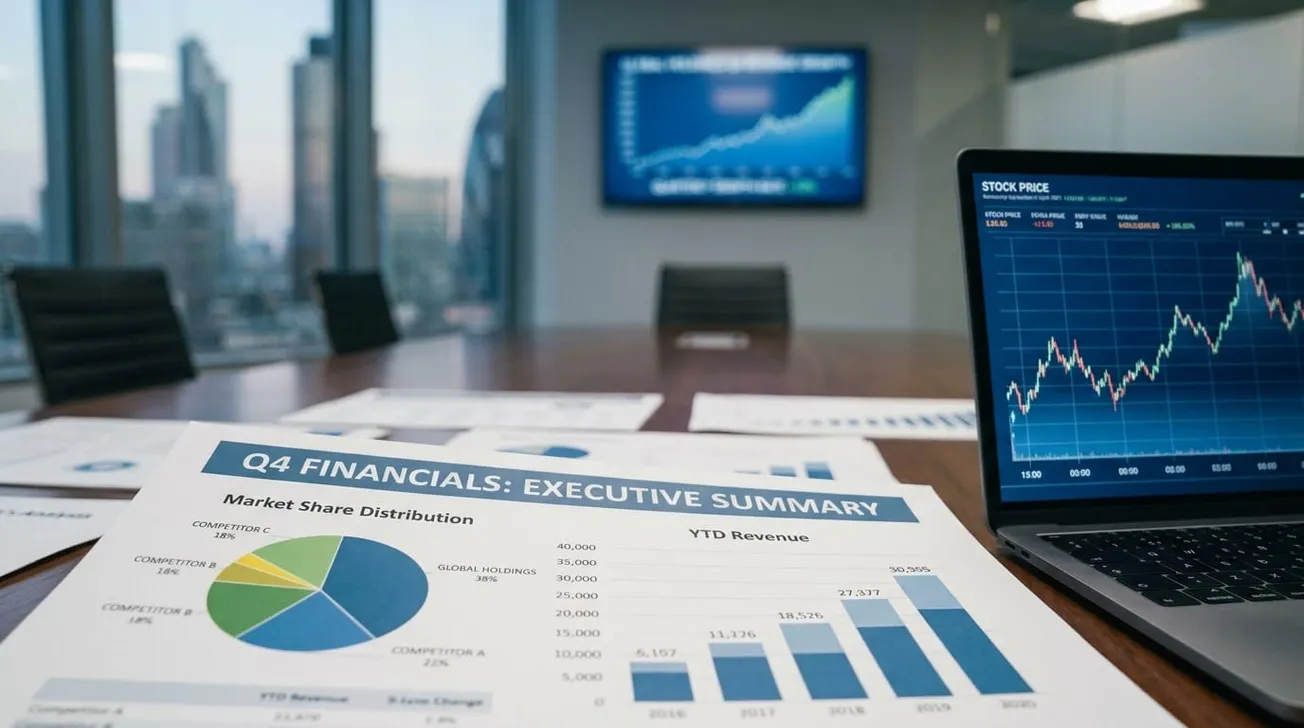
If multi-million-dollar polling apparatuses struggle to predict binary choices in public elections, why should corporate executives stake the strategic future of their enterprises on consumer surveys and focus-group snapshot data? Polling reveals fleeting sentiment, not enduring truth; current popularity, not future wisdom.
Prudential Judgment vs. Popular Demand
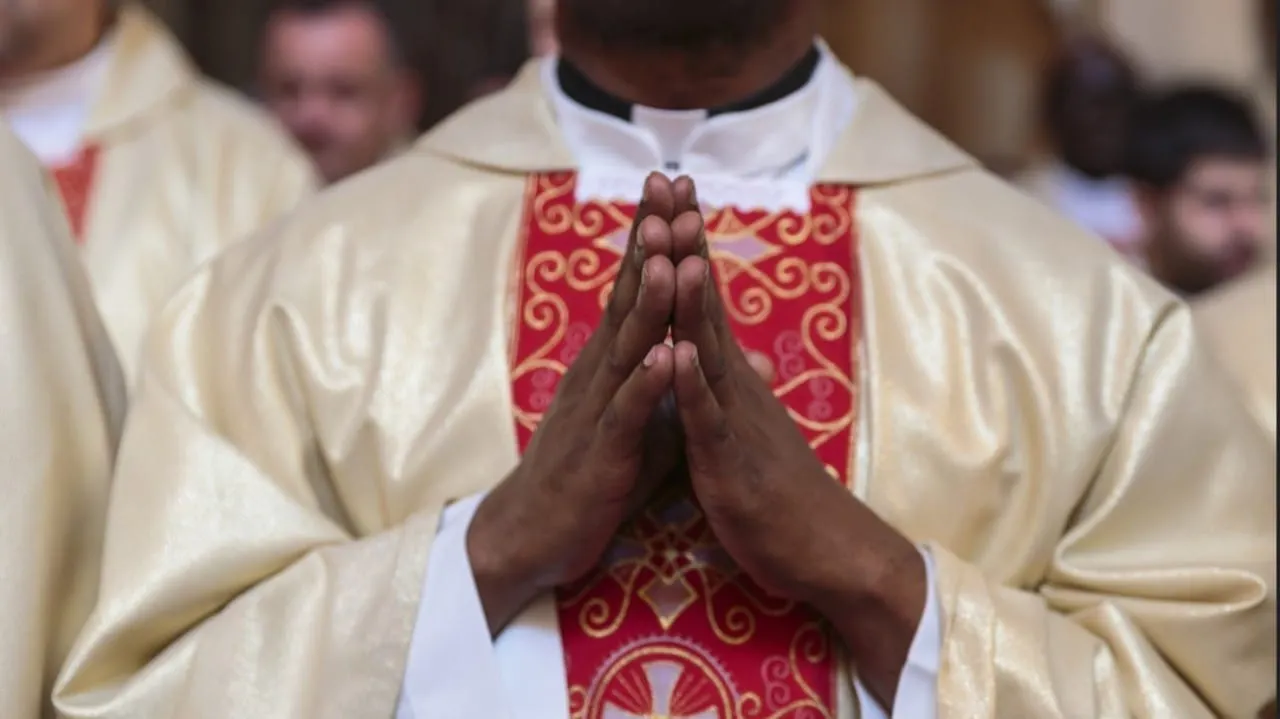
In Catholic moral tradition, authentic decision-making relies heavily on the virtue of prudence, the practical wisdom to discern the true good in every circumstance and choose the right means to achieve it. Prudence is neither passive caution nor the art of pleasing the crowd. It is the disciplined application of reason, objective reality, and moral principle to concrete situations.
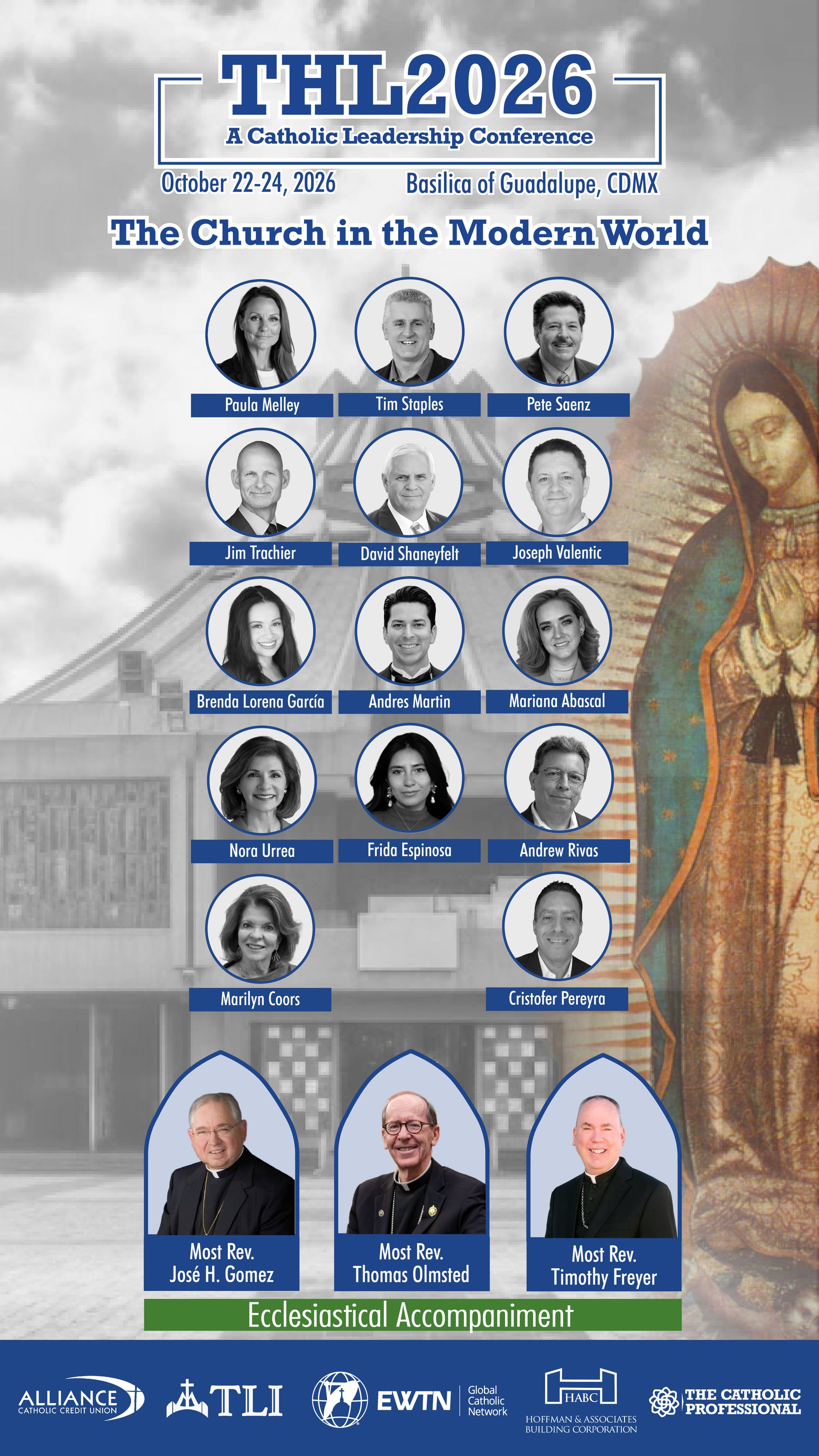
Ad: Discover the place where Our Lady of Guadalupe appeared to St. Juan Diego. See her image. And join Archbishop José Gómez, Bishop Thomas Olmsted and Bishop Timothy Freyer for The Hour of the Laity 2026 in Mexico City.
Polling substitutes external consensus for internal moral discernment. It asks, "What will avoid criticism today?" rather than "What is right, just, and sustainable for our organization and the people we serve?" When an executive delegates strategic or ethical judgment to a survey, they abdicate their duty of genuine stewardship.
History demonstrates that the most consequential corporate decisions, from investing in unproven technologies to refusing to compromise on worker safety, were routinely opposed by contemporary public opinion. Had leaders surrendered to the polls, progress and principle would have been sacrificed for immediate applause.
Building on Rock, Not Shifting Sand
Scripture offers a timeless warning about unstable foundations: a wise builder constructs his house upon rock, while a fool builds upon shifting sand (Matthew 7:24–27). Public opinion is the ultimate sand. What the market celebrates today, it may condemn tomorrow.
Executives who mold their strategy to match current sentiment create fragile institutions. Employees lose trust in leadership that sways with every cultural breeze, and consumers quickly perceive the emptiness of poll-tested authenticity. Long-term value, organizational resilience, and brand equity are built on conviction, objective excellence, and unwavering respect for human dignity, virtues no survey can quantify or supply.
The Courage to Lead
Cultivating enduring success demands fortitude, the courage to stand firm when principled decisions incur short-term backlash or misunderstanding. A poll can tell you where the crowd is currently standing, but it can never tell you where you ought to lead them.
As Catholic professionals called to witness to truth in the secular marketplace, our duty is not to echo the noise of the public square, but to bring clarity, wisdom, and moral courage to it. Listen to expertise, evaluate objective facts, and consult your conscience, but leave the polls behind. True leaders do not follow public opinion; they shape it.
P.S. Join Archbishop José Gómez, Bishop Thomas Olmsted and Bishop Timothy Freyer for The Hour of the Laity 2026 in Mexico City. In the videos bellow you will see what they have to say about THL2026.
Ad: Tepeyac Leadership’s Leadership for the World is a $2 million, three year mission to form lay Catholic leaders for the public square. Without formation, others fill the void. Will you step in or step aside now, when it matters most?