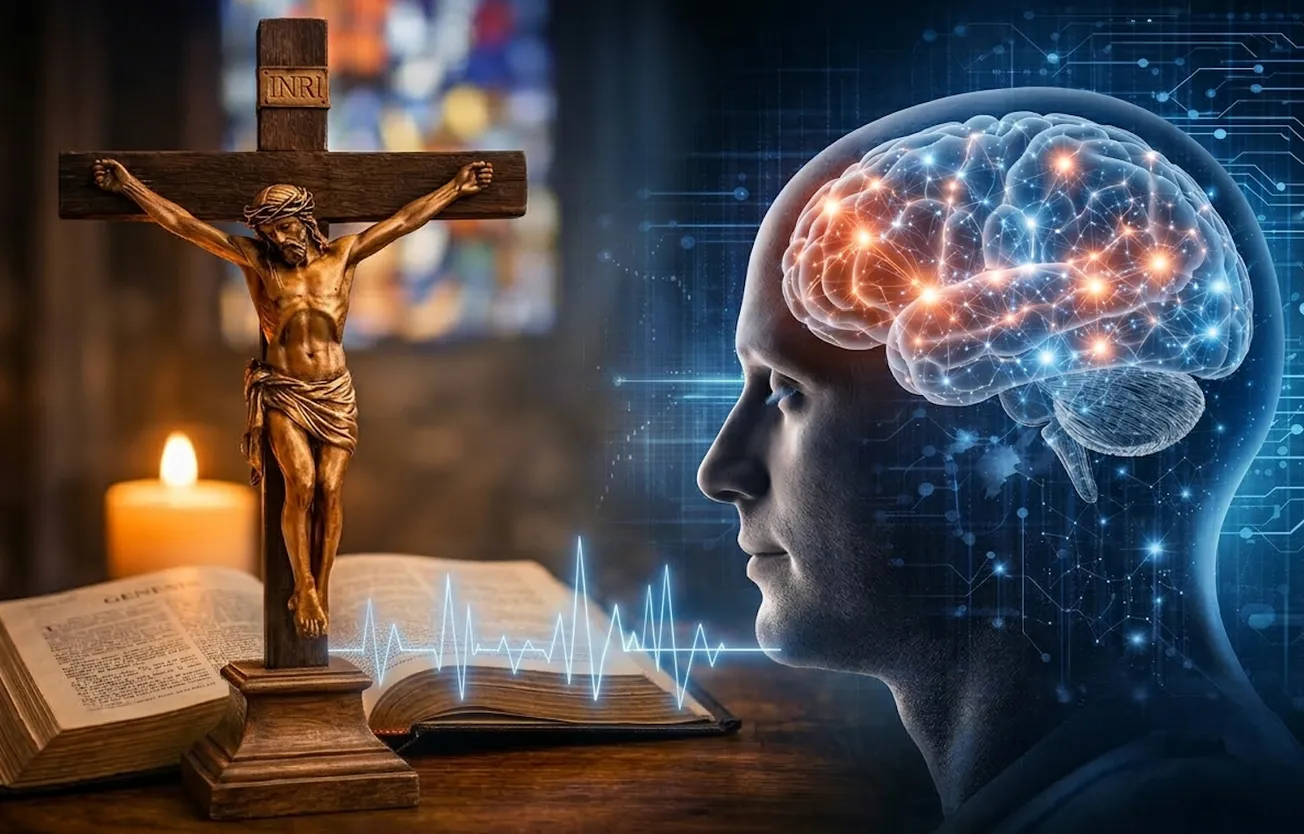
The human person has always been the center of philosophical, theological, and scientific inquiry. In our age, neuroscience promises unprecedented insight into the workings of the brain, cognition, and behavior. Yet, amid these advances, the Catholic understanding of the human person, Catholic anthropology, offers enduring guidance, reminding us that scientific knowledge, while invaluable, cannot fully capture the spiritual, moral, and transcendent dimensions of human life.
The Human Person as Body and Soul
Catholic anthropology begins with the conviction that humans are composed of both body and soul. Neuroscience often emphasizes the brain as the source of thoughts, emotions, and decisions. While the brain is undeniably central to human functioning, the Church teaches that the soul is the principle of life and the seat of reason, will, and conscience. Neuroscientific findings about neural networks, memory, and behavior can illuminate how the body and mind interact, but they cannot explain the existence of the immaterial soul or the moral choices that define our freedom.
This distinction has practical and ethical implications. Neuroscience may one day allow us to manipulate brain states or predict behavior patterns, but Catholic anthropology insists that humans are not merely biological machines. Each person possesses inherent dignity, rooted in being created in the image and likeness of God. Any scientific intervention that undermines freedom, violates conscience, or treats humans as mere objects is incompatible with this vision.
Conscience and Moral Responsibility
Modern neuroscience increasingly explores the mechanisms underlying decision-making. Researchers can identify neural correlates of moral judgments or detect patterns associated with impulsivity and empathy. Yet the Church emphasizes that conscience is more than a set of neural impulses. Conscience is the “inner voice” by which humans discern right from wrong, formed by reason, virtue, and the guidance of God’s law. Knowledge of neural activity may help us understand tendencies or vulnerabilities, but it does not absolve us of moral responsibility. Catholic anthropology holds that freedom, accountability, and the call to virtue remain central to human identity, even in an age of scientific insight.
Neuroscience and the Question of the Person
Advances in brain imaging and cognitive science have led some to question whether the self is merely a construct of neural processes. From a Catholic perspective, this reductionist view is incomplete. While the brain enables thought, memory, and perception, the human person transcends any purely material explanation. The Church teaches that the intellect and will are not reducible to neurons or synapses. Rather, they point to a person who is capable of love, creativity, and self-gift. This view encourages a dialogue between neuroscience and theology: science can enrich our understanding of human functioning, while Catholic anthropology reminds us that personhood is ultimately spiritual and relational.
Implications for Pastoral Care and Society
Catholic anthropology also shapes how we respond to the challenges posed by neuroscience. For example, mental health treatments, cognitive enhancement, or neurological interventions must respect human dignity and freedom. The Church encourages research that alleviates suffering, promotes flourishing, and respects moral boundaries. Likewise, public policy informed by neuroscience should not reduce individuals to their biological determinants or override their moral agency. By integrating insights from both faith and science, we can foster a culture that honors the full complexity of the human person.
A Holistic Vision of the Human Person
In the age of neuroscience, Catholic anthropology offers a vision of the human person that unites body, mind, and soul. It affirms the dignity of each individual, the reality of freedom and conscience, and the transcendence of the spiritual dimension over mere biology. Rather than viewing science and faith as antagonists, the Church invites us to see them as complementary: neuroscience reveals the marvelous intricacy of our bodily existence, while Catholic anthropology illuminates the purpose, meaning, and destiny that surpass the material.
By engaging thoughtfully with the insights of neuroscience, Catholics can deepen their understanding of the human person while remaining anchored in the eternal truths of faith. This dialogue not only enriches our knowledge but also strengthens our witness as professionals, leaders, and citizens committed to upholding human dignity in every sphere of life.
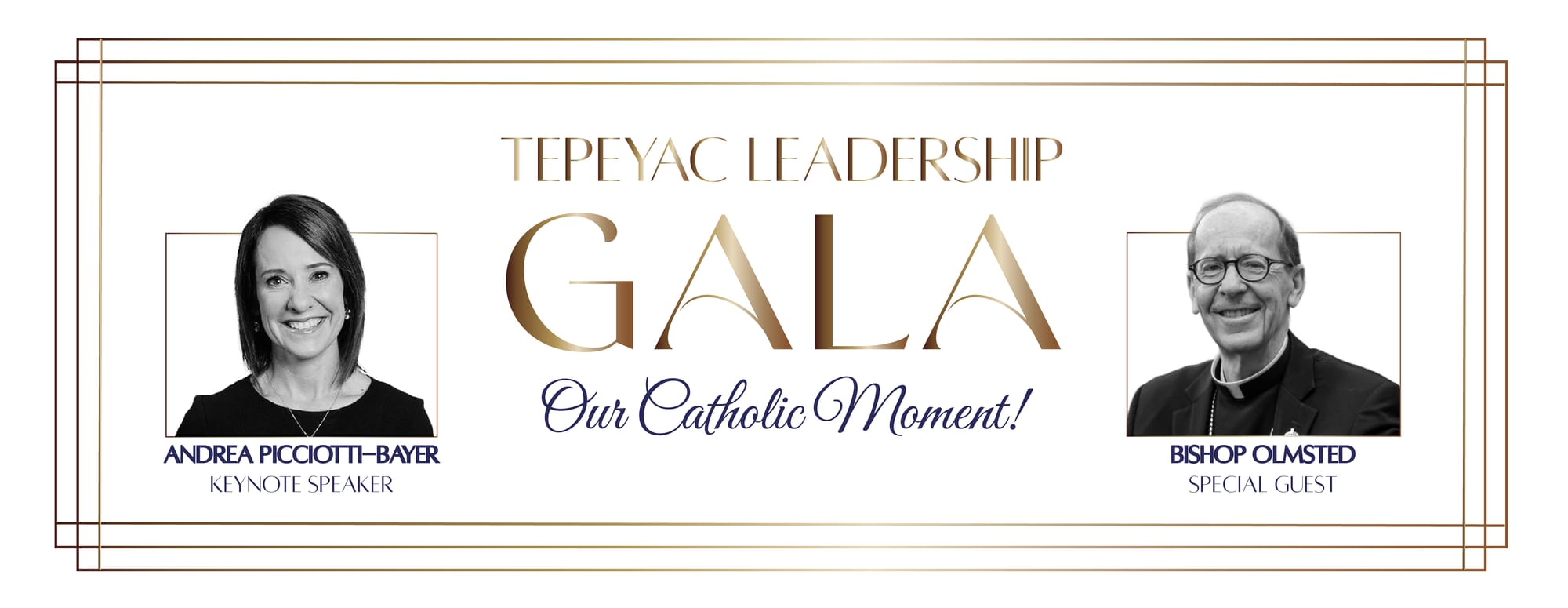
P.S. Last year, as guests arrived at the venue for the Tepeyac Leadership Gala, we asked them a simple but important question. Their answers were thoughtful, candid, and deeply hopeful for the future of our Church and our society. In the video below, you will see a compilation of their responses.