
Table of Contents
A long-awaited promotion is, by any standard, a cause for celebration. It represents recognized competence, hard work, and new opportunities for professional growth. Yet, for many Catholic professionals, the initial joy is quickly accompanied by a subtle, uneasy anxiety. The shift in title brings a profound shift in relational dynamics: the colleagues who were once your peers, confidants, and office friends are now your direct reports.
Navigating this transition feels like walking a tightrope. How do you exercise legitimate authority without appearing arrogant? How do you maintain authentic human warmth without succumbing to favoritism or compromising professional standards?
The secular corporate world often responds with two extremes: cold detachment or overly informal laxity. As faithful Catholics, we are called to a higher, more integrated standard. Grounded in the Church’s rich tradition of virtue, servant leadership, and the fundamental dignity of the human person, we can turn this professional minefield into a fruitful ministry of leadership.
1. Shift from Peer Friendship to Caritas
Aristotle and St. Thomas Aquinas both spoke of the high calling of friendship based on shared virtue. However, when you step into a managerial role, the nature of your work friendships must evolve. You can no longer share office gossip, complain about executive decisions, or vent about company policy with those you manage.
This does not mean abandoning care for your team; rather, it requires elevating your affection into caritas, which is disinterested, self-giving love. Your focus shifts from what you gain from the friendship to what serves the genuine good of the person working under your care. True care seeks their professional growth, well-being, and success, even when that requires difficult conversations.
2. Embrace the Virtue of Prudence in Boundaries
Prudence is the "driver" of all virtues, as it helps us discern our true good in every circumstance and choose the right means of achieving it. In leadership, prudence demands clear, intentional boundaries.
Setting clear expectations early allows you to acknowledge the shift openly and humbly. A brief, candid one-on-one conversation can clear the air: "Our friendship matters to me, but my job now requires me to evaluate performance fairly and make decisions for the whole team. I want to handle both roles with integrity."
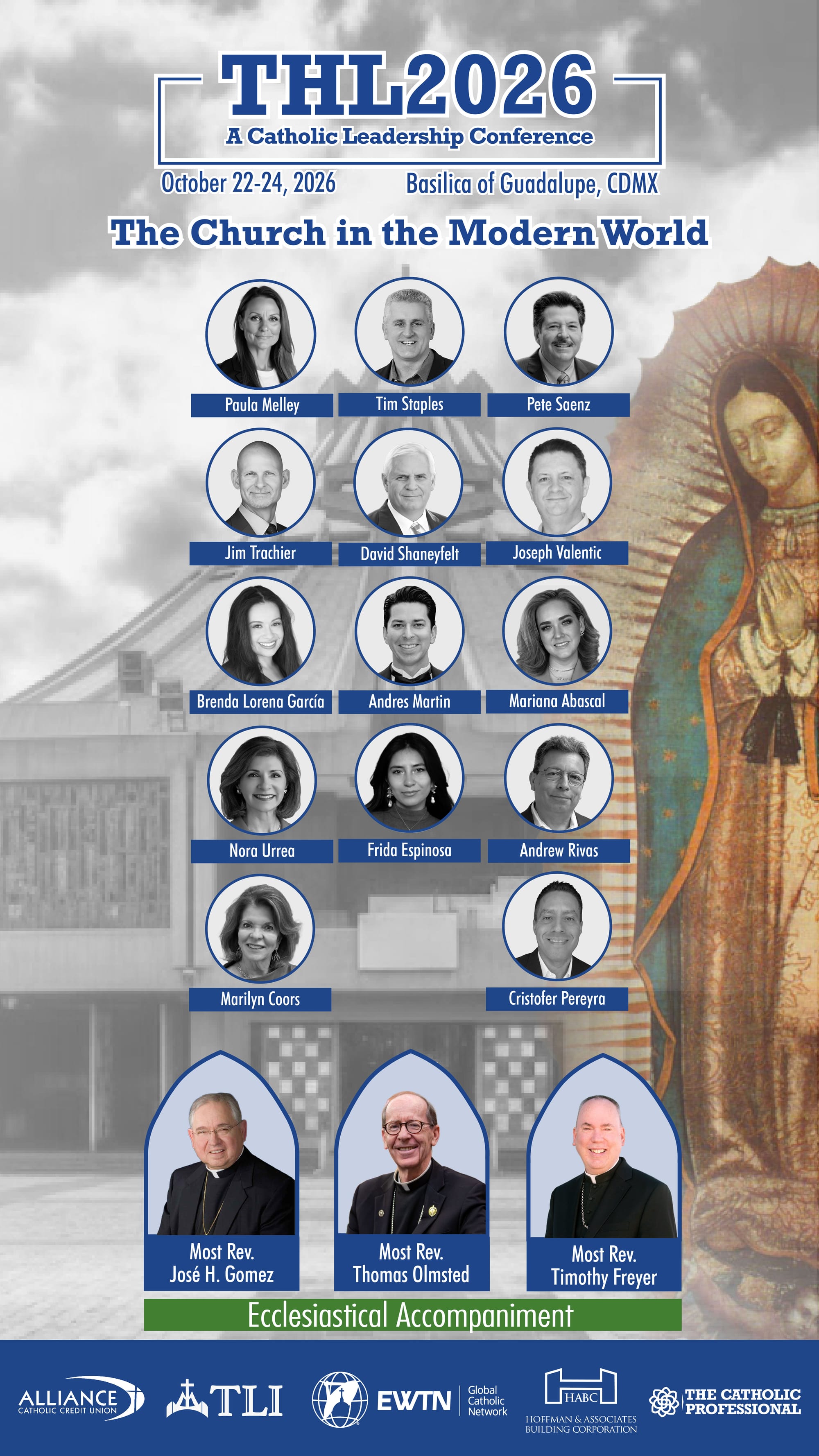
Ad: Discover the place where Our Lady of Guadalupe appeared to St. Juan Diego. See her image. And join Archbishop José Gómez, Bishop Thomas Olmsted and Bishop Timothy Freyer for The Hour of the Laity 2026 in Mexico City.
Practicing absolute objectivity is equally vital, as favoritism ruins team morale and degrades your witness as a Christian. Standardize your evaluation metrics, distribute assignments equitably, and ensure your decisions are transparent.
Finally, refrain from casual intimacy by maintaining professional boundaries regarding after-hours social outings or personal confidences that could create uncomfortable conflicts of interest later.
3. Model Servant Leadership
Christ gives us the definitive blueprint for authority: "Whoever wants to become great among you must be your servant" (Matthew 20:26). True Christian authority is never about dominance or title; it is about stewardship and service.
Leading former peers requires deep humility. Seek their input, acknowledge their expertise, and publicly credit their accomplishments. When you must correct or evaluate a former peer, do so with charity and justice, focusing on objective behavior rather than personal attributes, and always respecting their inherent dignity.
4. Lead with Ultimate Accountability
Ultimately, leadership in the workplace is a spiritual trust. You are accountable not just to senior management or shareholders, but to God for how you treat the people entrusted to your care.
When authority is anchored in humility, professional boundaries are maintained with grace, and former peers are treated with unwavering fairness, a promotion becomes far more than a step up the corporate ladder. It becomes an avenue to build a workplace culture rooted in trust, respect, and authentic Christian witness.
P.S. Join Archbishop José Gómez, Bishop Thomas Olmsted and Bishop Timothy Freyer for The Hour of the Laity 2026 in Mexico City. In the videos bellow you will see what they have to say about THL2026.
Ad: Tepeyac Leadership’s Leadership for the World is a $2 million, three year mission to form lay Catholic leaders for the public square. Without formation, others fill the void. Will you step in or step aside now, when it matters most?