Table of Contents
There is a distinct beauty to a backyard barbecue. It is one of the few remaining spaces where coworkers, neighbors, relatives, and old friends gather across a single lawn. The menu is simple, the dress code is casual, and the atmosphere is inherently communal. Yet, in an era marked by deep cultural and political fracturing, the casual invitation to "grab a plate" can feel fraught with underlying tension.
How do we, as professionals striving to live our faith in the marketplace and the community, navigate these gatherings when the conversation shifts from the quality of the brisket to deeply held philosophical or political differences?
The answer lies in reclaiming the true meaning of hospitality, not merely as the hosting of an event, but as an exercise in charity, civility, and intellectual humility.
Hospitality as a Professional Virtue
In our professional lives, we understand the value of diplomacy, active listening, and emotional intelligence. A backyard gathering does not exempt us from these standards; rather, it demands a higher expression of them. When a guest voices an opinion radically different from your own, the natural instinct may be to correct, debate, or retreat.
Instead, consider the barbecue as a venue for a different kind of leadership: the leadership of peace.
True hospitality creates a space where people feel valued as individuals before they are categorized by their opinions. This aligns seamlessly with a professional ethos that prioritizes human dignity. When we view a neighbor or colleague through the lens of their inherent worth, a political disagreement transforms from a battle to be won into an opportunity to understand a human story.
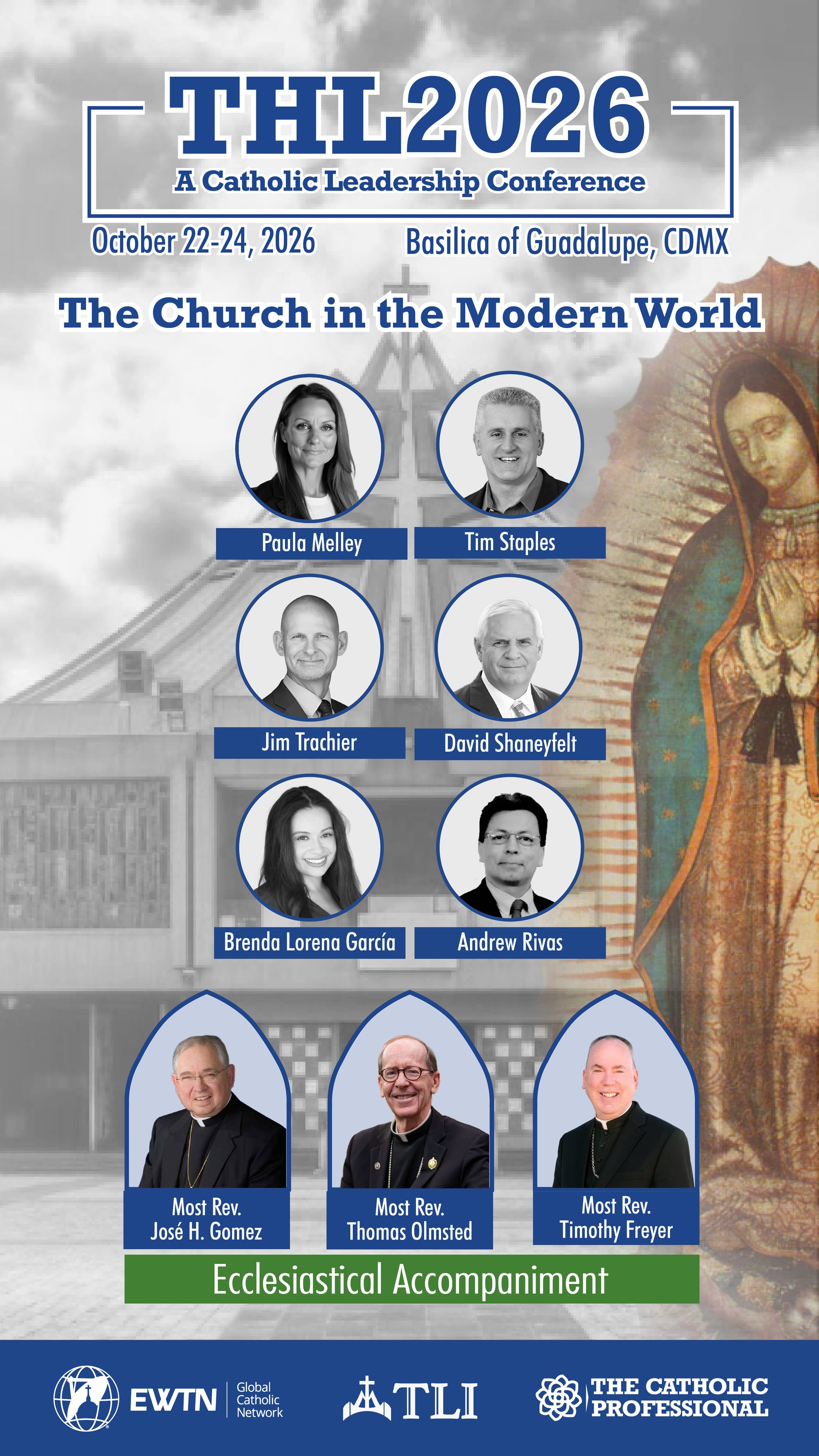
Ad: Discover the place where Our Lady of Guadalupe appeared to St. Juan Diego. See her image. And join Archbishop José Gómez, Bishop Thomas Olmsted and Bishop Timothy Freyer for The Hour of the Laity 2026 in Mexico City.
The Art of the Pivot
Navigating these moments requires tactical grace. If a conversation veers into territory that threatens the harmony of the gathering, you are not obligated to engage in a debate. You can acknowledge the person's perspective without validating or disputing it, and gracefully redirect the focus.
Consider simple, disarming phrases that preserve the dignity of both parties:
"That is a really complex issue, and I can see you’ve thought a lot about it. Right now, I'm just enjoying having everyone together."
"We might see that one differently, but I’m incredibly grateful we can still share a table. Tell me about how your summer project is coming along."
This is not cowardice; it is professional and personal prudence. It recognizes that the middle of a bustling backyard, paper plate in hand, is rarely the venue for a meaningful, nuanced philosophical breakthrough.
Seeking Common Ground
When a deeper discussion is appropriate and mutually desired, approach it with curiosity rather than animosity. Ask open-ended questions: "What led you to that conclusion?" rather than "How can you believe that?"
Often, underneath conflicting political or philosophical viewpoints lie shared human desires: a wish for safety, a thriving community, fairness, or a better future for the next generation. By identifying those shared values, you reframe the dynamic from adversaries to fellow citizens trying to solve the same human puzzle.
As professionals, our influence is measured not just by the arguments we win, but by the environments we cultivate. This summer, let your presence at the neighborhood grill be defined by a commitment to civility. By anchoring our interactions in genuine charity and mutual respect, we can turn a simple backyard gathering into a powerful witness of unity in a divided world.
Ad: Tepeyac Leadership’s Leadership for the World is a $2 million, three year mission to form lay Catholic leaders for the public square. Without formation, others fill the void. Will you step in or step aside now, when it matters most?

Click to discover why THL2026 is a must-attend event!