Table of Contents
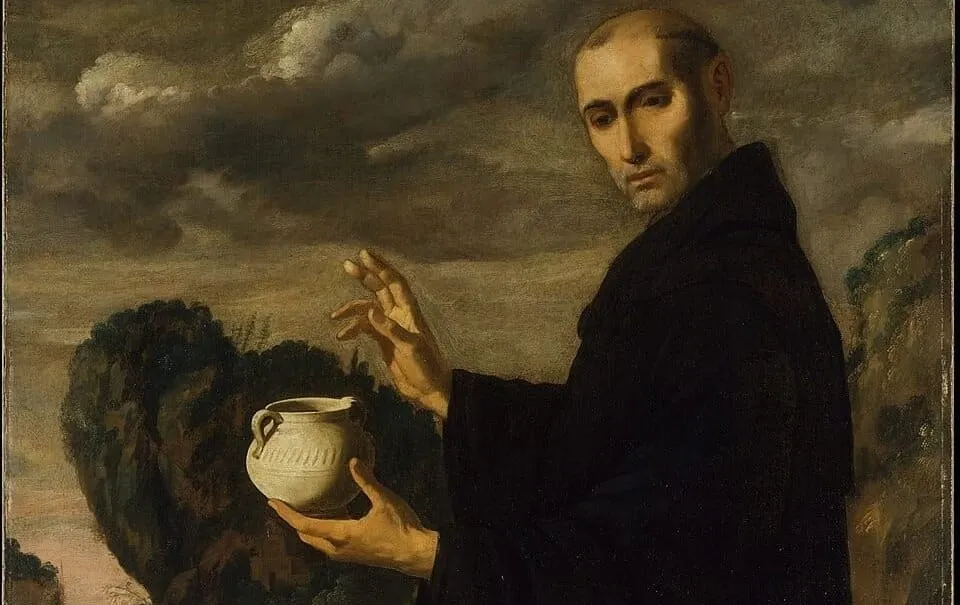
In a corporate landscape obsessed with quarterly metrics and continuous disruption, looking back 1,500 years for management advice might seem counterintuitive. Yet, the enduring framework created by St. Benedict of Nursia offers a masterclass in sustainable leadership. When Benedict wrote his Rule in the sixth century, he wasn’t trying to build a corporate empire; he was creating a resilient, self-sustaining community to survive a collapsing Roman world.
For today’s Catholic professional, his insights provide an excellent blueprint for navigating the intense pressures of the market without losing our souls—or burning out our teams.
Three foundational principles from the Benedictine tradition apply directly to the modern corner office.
1. Stability in a Transitory World
The corporate world frequently rewards job-hopping and rapid, pivot-heavy strategies. In contrast, one of the unique vows in Benedictine monasticism is stabilitat_as (stability)—a commitment to a specific community and place.
For a modern business leader, stability doesn't mean stagnation; it means building a culture of trust and deep organizational health. High turnover costs American businesses approximately $1 trillion annually in lost productivity and recruitment costs. When leaders commit to cultivating their existing teams, investing heavily in professional development, and resisting the urge to chase every passing industry trend, they create psychological safety. True innovation thrives when employees know the ground beneath them is stable.
2. A Culture of Absolute Listening
The very first word of the Rule is simple yet radical: "Listen." Benedict specifies that this listening must happen "with the ear of your heart." Furthermore, he notes that when important decisions need to be made, the leader should call the entire community together because "the Lord often reveals what is better to the younger."
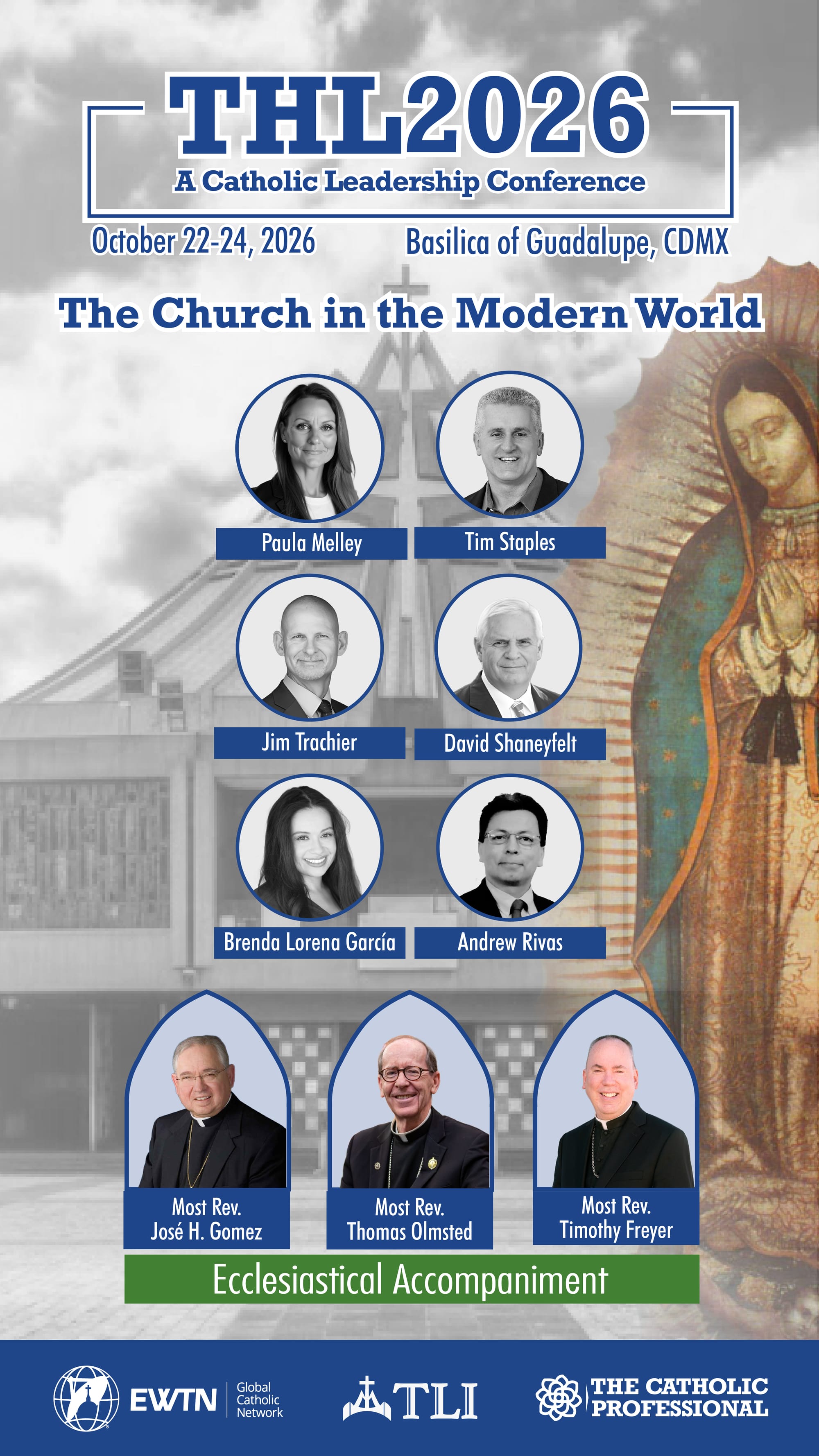
Ad: Discover the place where Our Lady of Guadalupe appeared to St. Juan Diego. See her image. And join Archbishop José Gómez, Bishop Thomas Olmsted and Bishop Timothy Freyer for The Hour of the Laity 2026 in Mexico City.
In executive terms, this is a mandate to dismantle corporate silos and echo chambers. A great CEO does not merely tolerate feedback; they actively seek out the perspectives of junior analysts and frontline staff. True listening requires humility—recognizing that the best solution to a supply chain bottleneck or a software bug might come from the person closest to the problem, not the highest-paid person in the room.
3. Radical Moderation over Burnout
The relentless "always-on" culture of modern business treats exhaustion as a badge of honor. Benedictine life offers a healthier alternative through the famous motto Ora et Labora (Pray and Work), governed by a strict sense of moderation. Benedict explicitly warns that schedules should be arranged so that "the strong have something to strive for and the weak have nothing to run away from."
When applied to enterprise leadership, this means building processes that protect employee well-being. Burnout costs global economies billions in lost productivity, but a leader who enforces healthy boundaries—such as discouraging late-night emails or respecting weekends—fosters a far more resilient operation. True productivity is a marathon, not a sprint.
The Bottom Line
St. Benedict reminds us that leadership is fundamentally an exercise in stewardship. Whether you are managing an investment portfolio, leading a tech startup, or directing a corporate board, your primary responsibility is to steward both the human and capital resources entrusted to you. By implementing a framework of stability, intentional listening, and sustainable pacing, we can build highly profitable enterprises that simultaneously respect human dignity.
Want to explore how to integrate these principles into your daily corporate routine?
Draft an internal policy defending employee rest
Explore Benedictine stewardship in corporate finance
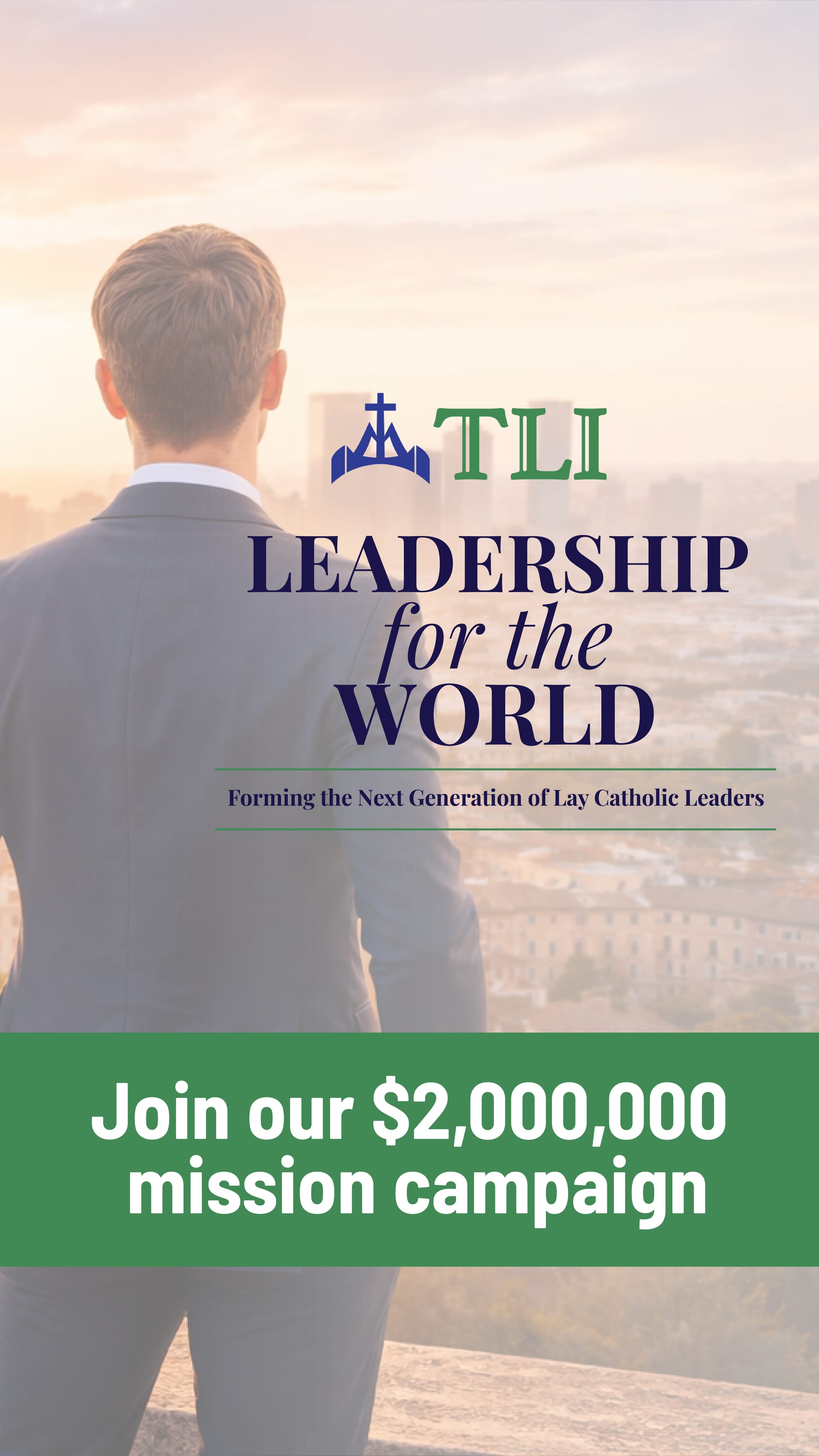
Ad: Tepeyac Leadership’s Leadership for the World is a $2 million, three year mission to form lay Catholic leaders for the public square. Without formation, others fill the void. Will you step in or step aside now, when it matters most?
Click to discover why THL2026 is a must-attend event!