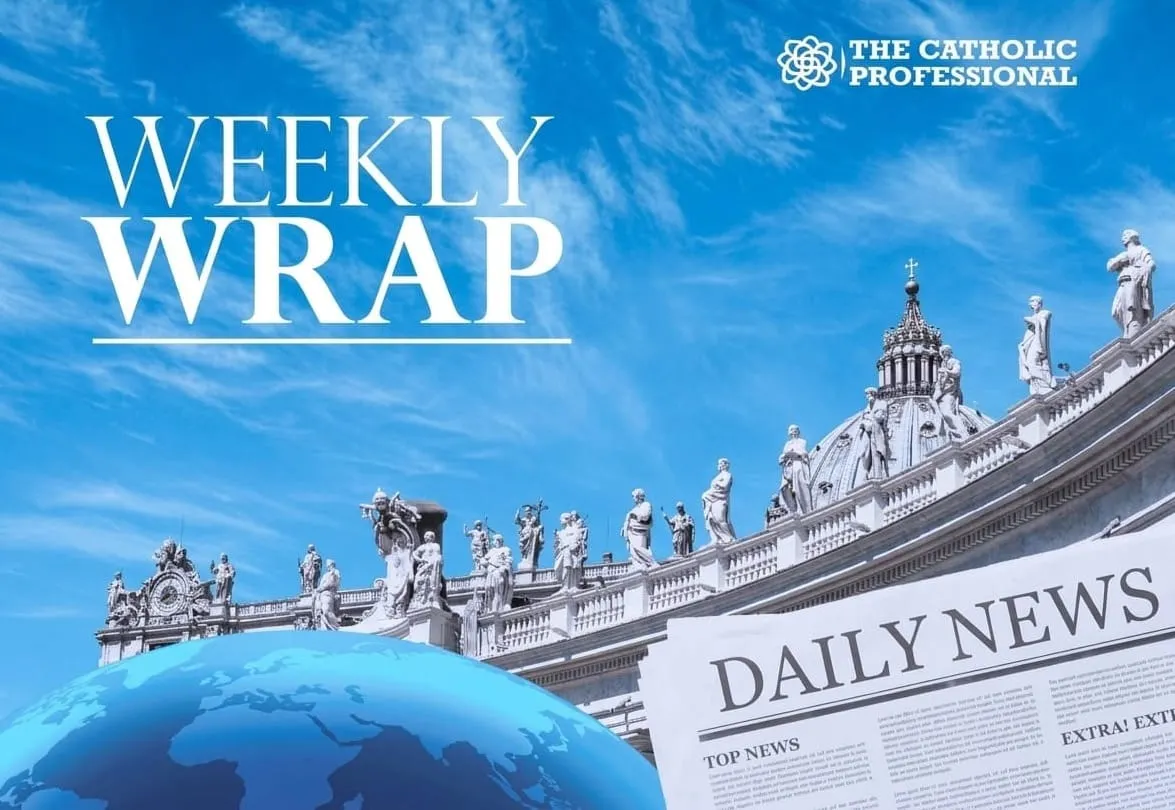
In a moment that echoes through the centuries of Church history, the white smoke has risen, and the bells of St. Peter’s Basilica have pealed across Rome to announce a new successor to St. Peter. The College of Cardinals has elected Cardinal Robert Prevost, an American, as the 267th Pope of the Roman Catholic Church. The newly elected Pontiff has chosen the name Pope Leo XIV, a name that will now be written into the ongoing story of the Catholic Church’s mission in the world.
The announcement came today when the senior Cardinal Deacon appeared on the central loggia of St. Peter’s Basilica and declared to the faithful gathered in the Square and watching around the globe: "Annuntio vobis gaudium magnum: Habemus Papam!"—"I announce to you a great joy: We have a Pope!"
Cardinal Robert Prevost, American Prefect of the Dicastery for Bishops and previously the Bishop of Chiclayo in Peru, was widely respected among his peers for his pastoral sensitivity, theological depth, and commitment to reform grounded in tradition. Known for his ability to bridge cultural divides and his fluency in several languages, Pope Leo XIV brings with him a pastoral heart and an eye toward the Church’s global responsibilities.
The election took place during the conclave convened following the death of Pope Francis. In accordance with the current apostolic procedures, 133 cardinal electors gathered in the Sistine Chapel, secluded from the world, to discern through prayer and discussion the man best suited to lead the Church. The sacred process of the conclave, rooted in centuries of practice, is an expression of profound trust in the Holy Spirit’s guidance.
Following the successful election, the new Pope was asked by the Cardinal Dean whether he accepted his canonical election. Upon his acceptance, he was asked what name he would take. After choosing the name Leo XIV, he donned the white cassock of the papacy for the first time before being introduced to the world.
Already, reactions from around the globe reflect a hopeful anticipation of what Pope Leo XIV’s pontificate will mean. Bishops' conferences, theologians, religious orders, and lay leaders have expressed prayers and solidarity with the new Holy Father, emphasizing the unity of the Church at a time of great global and spiritual complexity.
Catholics in every sector of society—from education and healthcare to law, business, and public service—will be watching closely as the new Pope outlines his vision for the Church’s role in addressing the spiritual and material challenges of our time. With renewed focus on evangelization and the dignity of every human person, Pope Leo XIV’s leadership arrives at a critical juncture for the Catholic Church and its witness in the modern world.
As Pope Leo XIV steps onto the world stage, the Catholic Church enters a new chapter marked by both continuity and possibility. United in faith and service, the People of God now look to their new Shepherd with prayerful hope, trusting that the Holy Spirit will continue to guide the Church under his leadership.
Like what we do? Share this piece, and follow us on Instagram and LinkedIn.
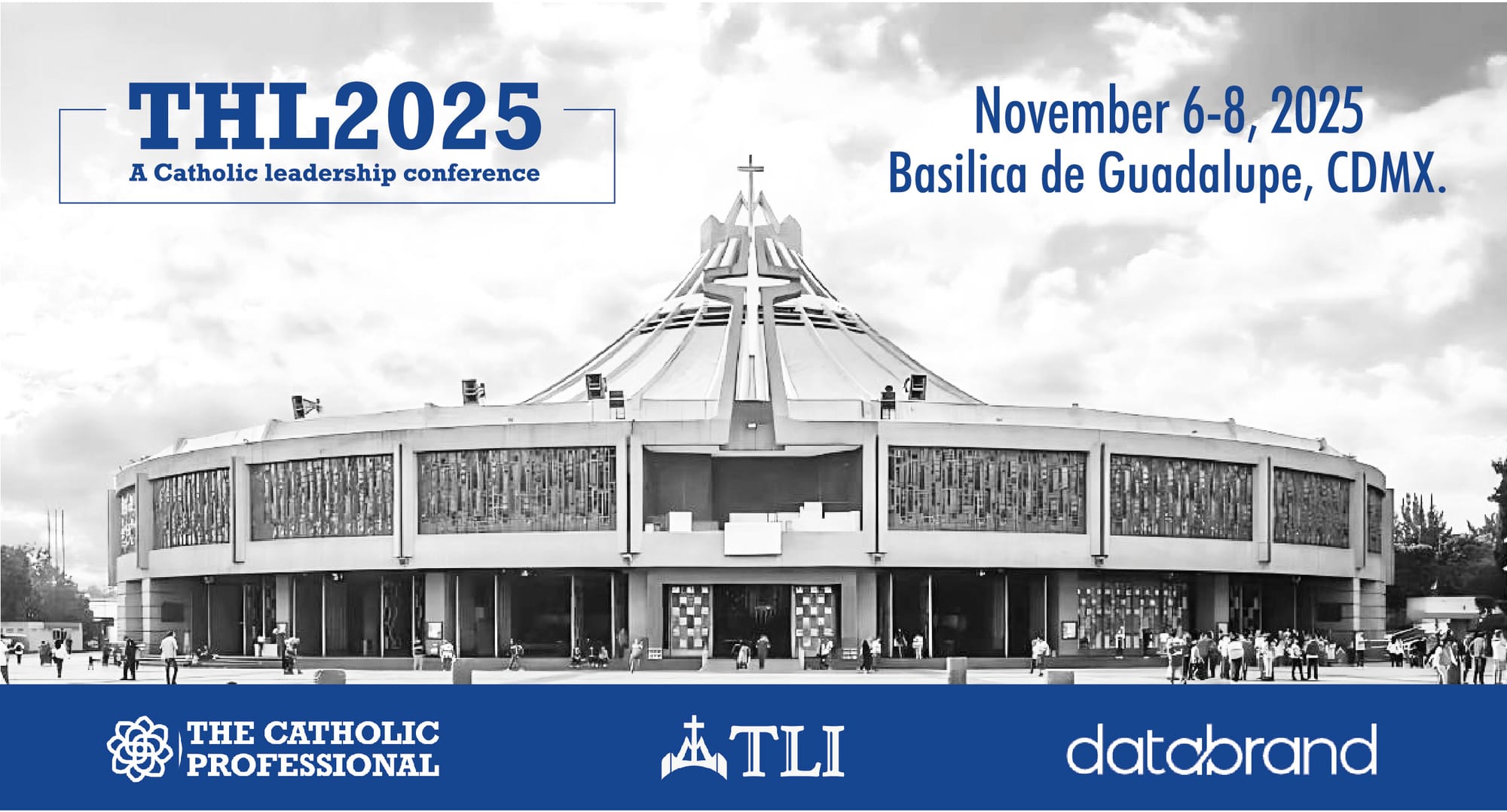
Why THL? Watch to learn about the vision behind the conference.
Click to watch some highlights from THL2024.