In every age, society searches for leaders who inspire trust, courage, and hope. The modern professional world often rewards visibility, influence, and achievement, yet the life of Saint Damien of Molokai offers a radically different model of leadership. Known to many as “Damien the Leper,” this Belgian priest gave his life serving the isolated leper colony on the Hawaiian island of Molokai during the nineteenth century. His witness remains profoundly relevant for Catholic professionals seeking to lead with integrity and Christian charity.
Damien did not lead from a distance. He entered directly into the suffering of others, embraced their struggles as his own, and transformed an abandoned community through sacrificial love. His example challenges today’s leaders to reconsider what authentic leadership truly means.
Leadership Begins with Presence
One of the most striking aspects of Damien’s mission was his willingness to be physically and emotionally present among those society rejected. At the time, people suffering from Hansen’s disease were exiled to Molokai, separated from their families, and often treated as though they had lost their dignity. Fear kept many away. Damien moved toward them.
Great leaders do not hide behind titles, offices, or technology. They enter into the realities of the people they serve. In the workplace, this means more than simply managing tasks. It means listening attentively, understanding the challenges employees face, and cultivating genuine relationships.
Many organizations struggle because leaders become detached from the people they lead. Saint Damien teaches that trust is built through proximity. Presence communicates solidarity, and solidarity creates credibility.
Catholic professionals are called to imitate Christ, the Good Shepherd who walks among His people. Leadership rooted in presence reminds others that they are seen, valued, and loved.
Service Requires Sacrifice
Damien’s ministry was not convenient. Conditions on Molokai were harsh and dangerous. He built homes, organized schools, cared for the sick, buried the dead, and worked tirelessly to restore order and hope to the colony. Eventually, he contracted the same disease affecting the people he served.
Modern culture often associates leadership with privilege, but Christian leadership is inseparable from sacrifice. A leader who refuses inconvenience cannot truly serve others. Whether in business, education, medicine, law, or ministry, meaningful leadership demands generosity.
Sacrifice may not always involve dramatic suffering. Often it appears in ordinary decisions. It can mean giving time to mentor a struggling colleague, defending ethical principles despite pressure, or prioritizing family life over professional ambition. It may require enduring criticism for doing what is right.
Saint Damien reminds us that leadership is not about self-preservation. It is about self-gift. The credibility of a leader grows when people recognize that he or she is willing to carry burdens alongside them.
Human Dignity Must Remain Central
Perhaps Damien’s greatest accomplishment was restoring dignity to people who had been forgotten. He did not see the residents of Molokai as problems to manage. He saw them as children of God.
This lesson is urgently needed in professional environments shaped by efficiency, competition, and productivity metrics. Businesses and institutions can easily begin treating individuals as disposable or merely functional. Catholic professionals are called to resist this mentality.
Every person in the workplace possesses inherent dignity, regardless of status, education, income, or performance. Leaders who recognize this create cultures marked by respect, fairness, and compassion. They understand that success cannot come at the expense of human worth.
Saint Damien’s life demonstrates that authentic leadership elevates others. It seeks not only results, but also the flourishing of the human person.
A Legacy That Still Speaks
Saint Damien of Molokai died in 1889, having fully shared in the suffering of the community he loved. Yet his influence continues far beyond Molokai. He remains a model of heroic charity and a powerful reminder that holiness and leadership belong together.
For Catholic professionals, his witness offers an enduring challenge. The world does not simply need competent leaders. It needs leaders who are courageous enough to serve, humble enough to sacrifice, and faithful enough to recognize Christ in every human person.
In an age marked by division, loneliness, and self-interest, the example of Saint Damien points toward a better path. True leadership is not measured merely by authority or accomplishment. It is measured by love.
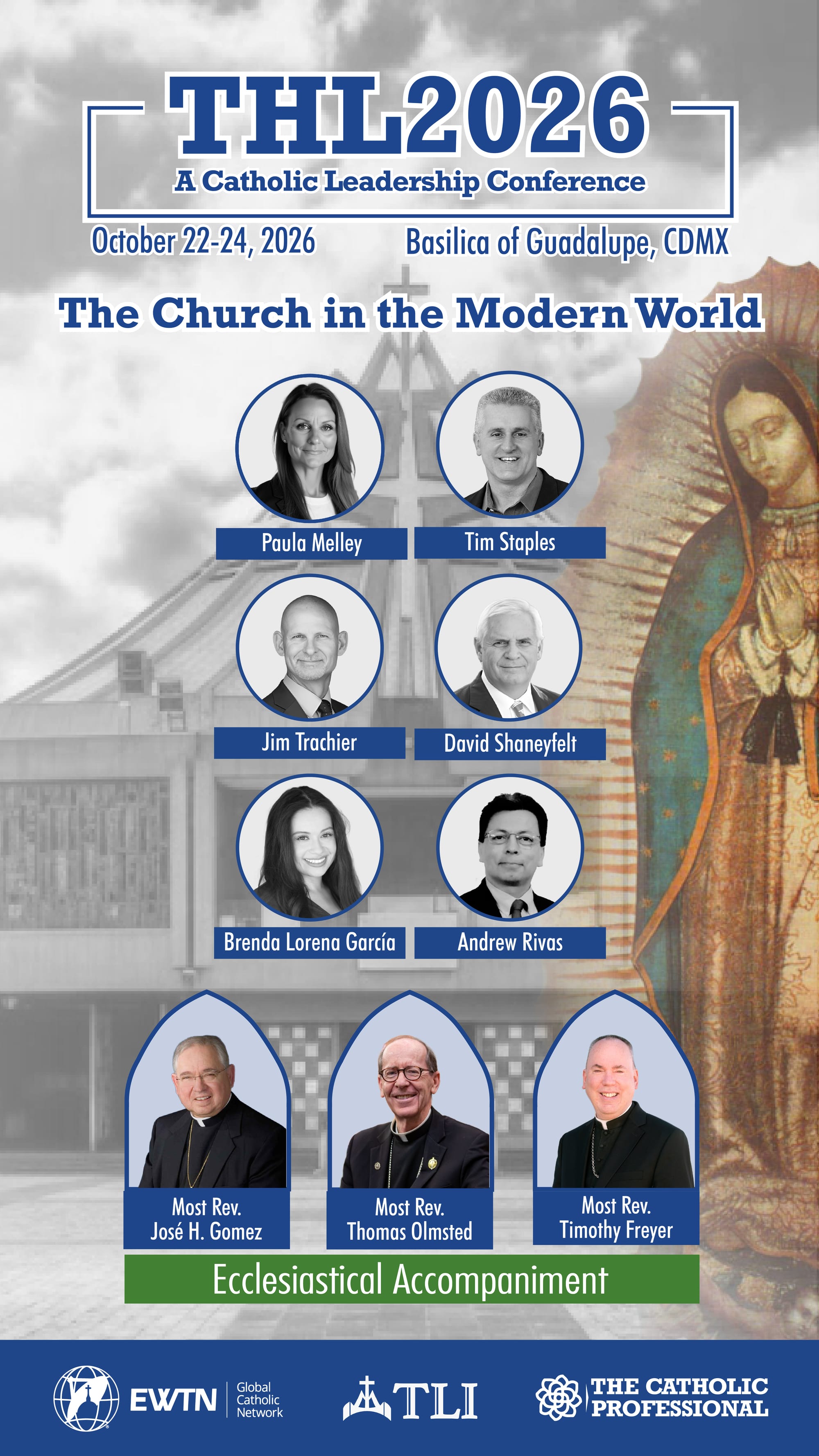
P.S. Discover the place where Our Lady of Guadalupe appeared to St. Juan Diego. See her image. And join Archbishop José Gómez, Bishop Thomas Olmsted and Bishop Timothy Freyer for The Hour of the Laity 2026 in Mexico City.