
Table of Contents
Almost every professional eventually encounters a challenging supervisor. Whether dealing with a manager who micromanages, one who communicates through passive-aggressive emails, or who shifts priorities without warning, navigating poor leadership can test your patience and emotional bandwidth. In high-stress corporate settings, standard career advice often focuses on self-preservation, recommending tactics like "managing up," documenting every interaction, or immediately updating a resume to job-hop.
While practical boundaries and professional prudence are necessary, Catholic theology invites us to look deeper at these workplace trials. A difficult boss is certainly a professional obstacle, but through the lens of faith, they can also become an unexpected venue for personal transformation, a crucible where character, virtue, and genuine resilience are forged.
Reframing the Workplace Trial
In Catholic spirituality, suffering and inconvenience are rarely viewed as meaningless. St. Paul reminds us in his letter to the Romans that endurance produces character, and character produces hope. When applied to the corporate world, this perspective shifts how we view office friction.
A demanding or volatile supervisor provides daily, concrete opportunities to practice cardinal and theological virtues. Patiently enduring an unfair critique strengthens fortitude. Choosing to respond calmly, rather than reacting with gossip or resentment, builds temperance. Exercising fairness and honesty under pressure reflects justice.
This does not mean accepting abusive behavior or abandoning healthy professional boundaries. Rather, it means refusing to let someone else's poor behavior dictate your personal integrity or emotional peace.
The Practice of Christian Charity in Office Politics
The hardest Christian command to practice at work is loving one's neighbor, especially when that neighbor holds power over your schedule, performance review, or promotion. It is easy to extend grace to supportive colleagues, but extending charity to a difficult boss requires intentional grace.
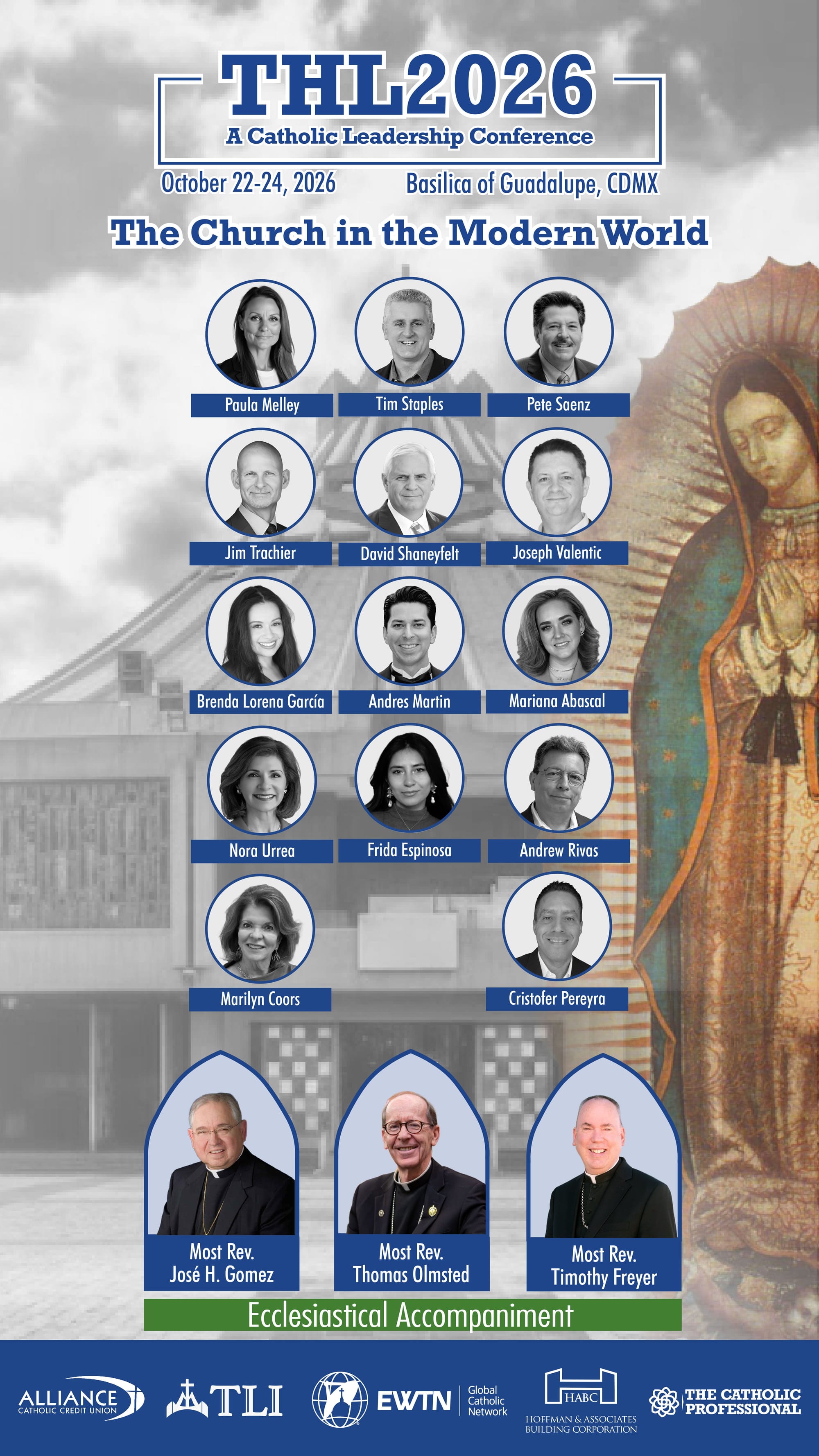
Ad: Discover the place where Our Lady of Guadalupe appeared to St. Juan Diego. See her image. And join Archbishop José Gómez, Bishop Thomas Olmsted and Bishop Timothy Freyer for The Hour of the Laity 2026 in Mexico City.
Practicing charity in a tense work environment begins with internal detachment. Recognizing that a supervisor's harsh demeanor or insecurity often stems from personal pressures, organizational stress, or underlying fears allows us to depersonalize their actions. Viewing a difficult leader with empathy, rather than hostility, guards the mind against bitterness.
Furthermore, Christian charity calls for absolute honesty and fairness. Resisting the urge to join in water-cooler complaints, refusing to sabotage projects to make a manager look bad, and consistently delivering high-quality work are quiet, powerful acts of Christian witness.
Maintaining Balance and Boundaries
Resilience is not passivity. Virtue requires wisdom, and wisdom includes knowing how to protect one's health and career while remaining faithful.
Establishing clear boundaries allows you to maintain strict professionalism. This involves documenting instructions, confirming expectations in writing, and setting healthy, realistic limits on after-hours availability.
Focusing on controllables helps keep your energy directed where it matters most. Concentrate on output, personal attitude, and ethical standards, releasing anxiety over outcomes and decisions beyond your direct influence.
Seeking support outside the office ensures you maintain perspective. A strong network of family, mentors, and faith communities provides encouragement and helps keep daily workplace challenges in their proper context.
Forging Character Under Pressure
A career is rarely defined solely by smooth projects and encouraging mentors. True professional maturity is built during seasons of adversity.
By meeting difficult leadership with patience, charity, and quiet competence, Christian professionals do more than survive a tough job. They develop deep interior strength, refine their capacity for leadership, and witness to a faith that remains steady, even under pressure.
P.S. Join Archbishop José Gómez, Bishop Thomas Olmsted and Bishop Timothy Freyer for The Hour of the Laity 2026 in Mexico City. In the videos bellow you will see what they have to say about THL2026.
Ad: Tepeyac Leadership’s Leadership for the World is a $2 million, three year mission to form lay Catholic leaders for the public square. Without formation, others fill the void. Will you step in or step aside now, when it matters most?