As artificial intelligence systems shift from background novelties into the core rhythm of our daily workday, many of us are feeling a quiet, undeniable shift in the office environment. While corporate announcements celebrate gains in speed and efficiency, the human reality on the ground feels a bit more complicated.
Targeting early-career professionals in particular, the fear of displacement, shifting job roles, and losing personal agency has created a subtle undercurrent of stress. When success is measured almost entirely by speed, output, and algorithmic efficiency, it is completely natural to wonder where our human gifts fit into the bigger picture.
For Catholic leaders, managers, and teammates, this moment calls for a response rooted neither in fear nor in blind optimism. It is an invitation to bring the warm, timeless principles of Catholic Social Teaching into our conversations, offering our colleagues a steady anchor of hope.
Rather than viewing team members as variable resources measured strictly by productivity, Catholic stewardship reminds us that every worker is made in the image of God. In this light, work is far more than a task list, it is a way we participate in creation, and our true security remains grounded in our inherent dignity rather than our daily output.
The Dignity of Human Work vs. Technological Efficiency
It can be discouraging when secular business commentary treats human labor as an imperfect expense to be optimized or automated away. Catholic tradition offers a much more hopeful perspective. In his encyclical Laborem Exercens, Saint John Paul II reminded us that work is not merely a means to an economic end, but a meaningful way we share in God’s ongoing care for the world.
Technological tools, no matter how powerful, are simply instruments meant to serve human flourishing, not replace it. An algorithm can organize data, draft outlines, and spot trends, but it cannot offer genuine wisdom, practice empathy, or care for a colleague in a tough moment.
When leadership treats people as temporary assets for the sake of efficiency, the workplace loses its heart. Keeping human dignity at the center of our work reminds us that no line of code can ever replace the unique, God-given spirit of a person.
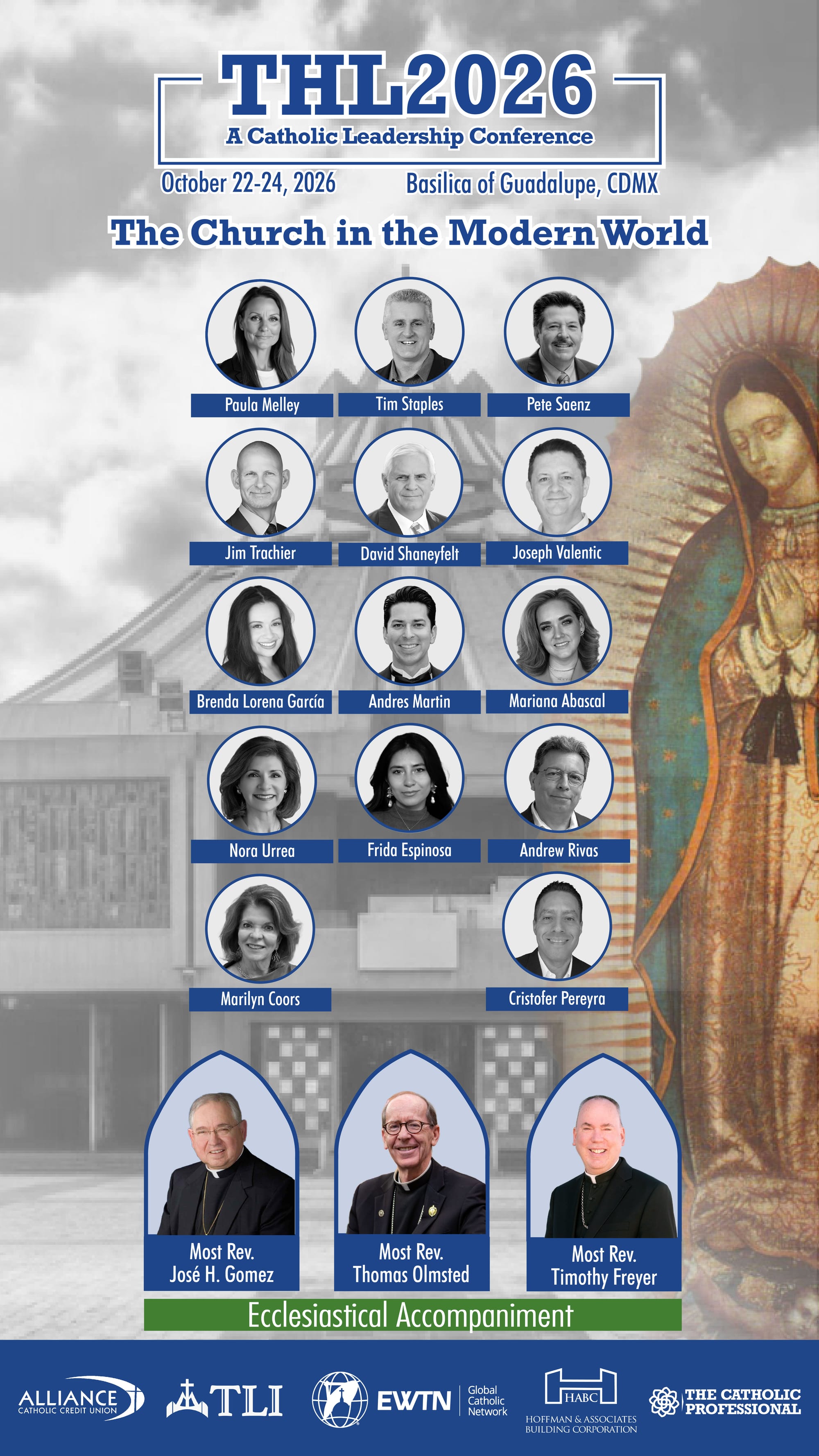
Ad: Discover the place where Our Lady of Guadalupe appeared to St. Juan Diego. See her image. And join Archbishop José Gómez, Bishop Thomas Olmsted and Bishop Timothy Freyer for The Hour of the Laity 2026 in Mexico City.
Three Ways to Lead with Faith and Heart
Navigating big technical changes takes thoughtful, compassionate leadership. Here are three simple ways we can help build stability and trust right where we are:
- Include People in the Transition: The principle of subsidiarity reminds us to honor the voices of those closest to the work. When bringing in new tools, invite your team into the conversation early. Treat them as true partners rather than passive bystanders. It helps to ask together: Does this tool actually support our team's creative capacity, or does it just reduce them to monitoring a process?
- Choose Mentorship Over Pure Speed: Younger colleagues often worry that automating entry-level work steals away the very experiences they need to grow. We have a wonderful opportunity to step in as mentors. We can use the time saved by automation not to push for endless output, but to invest in people, teaching reflection, ethical judgment, and the deep relational skills that tech can never replicate.
- Remind People Their Worth Isn't a Metric: In a fast-paced work culture, it is easy for any of us to fall into the trap of tying our self-worth to our productivity. As Christian professionals, our presence should gently remind others that their value comes from who they are as children of God, not from how fast they clear their inbox.
Standing Together in Peace and Hope
Finding peace in a changing workplace doesn't mean trying to stop technological progress. New tools and shifting markets have always been part of economic life. Instead, Christian leadership is about keeping our eyes fixed on what truly lasts: truth, kindness, and genuine care for one another.
When we bring steady presence, warmth, and real concern for people into our meetings and project plans, we offer a refreshing alternative to workplace anxiety. In doing so, we show that when technology is guided by love for neighbor, it stops being a source of fear and becomes a tool that helps everyone thrive.
P.S. Join Archbishop José Gómez, Bishop Thomas Olmsted and Bishop Timothy Freyer for The Hour of the Laity 2026 in Mexico City. In the videos bellow you will see what they have to say about THL2026.
Ad: Tepeyac Leadership’s Leadership for the World is a $2 million, three year mission to form lay Catholic leaders for the public square. Without formation, others fill the void. Will you step in or step aside now, when it matters most?