
In the Gospel accounts, few moments cut as deeply into human dynamics as Jesus’ return to His hometown of Nazareth. He stood in the synagogue, among the very people who had watched Him grow, work, and live alongside them, and delivered words of profound authority and wisdom. Yet, the reaction was not awe or pride. It was dismissal: “Where did this man get all this? Is not this the carpenter’s son?”
Because they knew Him through the narrow lens of his past, they could not receive the value of his present. Scripture notes that he could perform few miracles there because of their lack of faith.
For many executives, managers, and rising professionals, this dynamic feels painfully familiar. It is what we might call the Hometown Paradox: the tendency for an organization, team, or long-time superior to overlook an individual's growing talent precisely because they remember where that person started.
The Trap of Proximity and Past History
In modern corporate culture, familiarity often breeds blind spots. If you have been with a company for a significant period, perhaps starting as an entry-level analyst, a junior associate, or a staff coordinator, the leadership team may forever view you through that original lens. Even after years of acquiring new credentials, mastering complex systems, or developing strategic foresight, you may find your innovative proposals met with polite indifference.
When you suggest a necessary pivot or pitch a bold initiative, the implicit response from leadership is often an unstated variation of the synagogue's refrain: “Isn’t this just the associate we hired five years ago?”
This oversight is rarely malicious. Rather, it stems from a common cognitive bias in organizational dynamics: leaders struggle to update their internal models of people they see every day. Incremental growth happens in front of their eyes, making it invisible to them, whereas external candidates, hired with polished resumes and outside prestige, are granted immediate authority.
Redefining Excellence in the Shadow of Familiarity
How does a Catholic professional respond when their talent, strategic vision, or readiness for advancement is continuously overlooked by those closest to them?
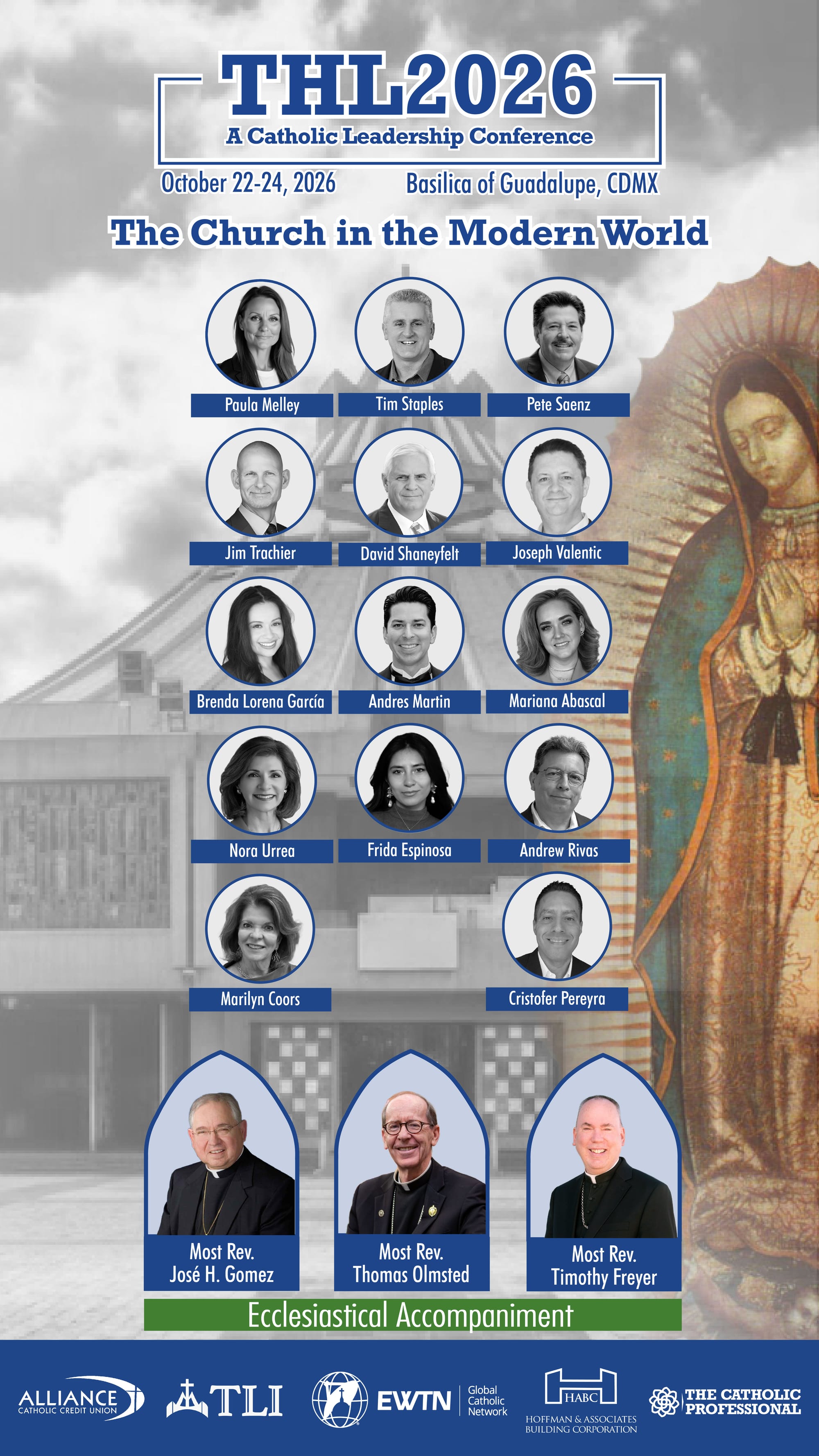
Ad: Discover the place where Our Lady of Guadalupe appeared to St. Juan Diego. See her image. And join Archbishop José Gómez, Bishop Thomas Olmsted and Bishop Timothy Freyer for The Hour of the Laity 2026 in Mexico City.
The first step is to guard your heart against resentment. It is natural to feel frustrated when external talent is brought in for a role you were equipped to lead. However, bitter ambition is counterproductive to Christian leadership. Christ did not react with spite when rejected in Nazareth; he simply continued his mission elsewhere. Your professional dignity and self-worth must be anchored in God and your actual competence, not in immediate corporate validation.
Next, focus on demonstrating quiet, unassailable competence. If your spoken ideas are discounted because of who is speaking, let your work carry the weight. Focus on driving measurable results, mentoring others, and executing your responsibilities with unyielding integrity and excellence. True virtue and expertise eventually create a track record that cannot be ignored.
Finally, practice prudent stewardship of your gifts. God does not bestow talent, intellect, and leadership capacity so that they may sit idle. If you have faithfully sought to contribute, offered strategic solutions, and demonstrated readiness for greater stewardship, yet find the door firmly shut due to organizational myopia, it may be time to seek new terrain. Leaving a familiar environment is not a failure; often, it is the necessary step to fully deploy the gifts entrusted to you.
A Call to Leaders: Check Your Blind Spots
For executives and managers, the Hometown Paradox serves as a stark warning. Are you overlooking the extraordinary talent already sitting in your conference rooms? It is easy to assume that the brightest solutions must be bought from the outside.
Authentic leadership requires the humility to see your team as they are today, not as they were when they entered the organization. Cultivate the habit of actively listening to internal voices, recognizing quiet growth, and rewarding the hidden potential right in your home office.
The lesson of Nazareth is clear: when we allow familiarity to blind us to wisdom, we miss out on the very breakthroughs designed to move us forward.
P.S. Join Archbishop José Gómez, Bishop Thomas Olmsted and Bishop Timothy Freyer for The Hour of the Laity 2026 in Mexico City. In the videos bellow you will see what they have to say about THL2026.
Ad: Tepeyac Leadership’s Leadership for the World is a $2 million, three year mission to form lay Catholic leaders for the public square. Without formation, others fill the void. Will you step in or step aside now, when it matters most?