Table of Contents
Whenever a big story breaks about a high-profile investigation, it doesn't take long before someone invokes their Fifth Amendment right to remain silent. Watching corporate executives, politicians, or public figures refuse to answer questions usually triggers a quick reaction in the rest of us: If they’re quiet, they must be guilty.
But for anyone trying to live out their faith in the business world, the legal right to stay silent isn't just a political talking point. It sits right at the intersection of legal strategy, public trust, and personal integrity.
So how should a Catholic professional look at the choice to stay quiet when things get tough?
Why the Right to Silence Matters
First, it’s worth remembering why the right to remain silent exists in the first place. Legally, it’s a crucial shield against government overreach and forced confessions. Catholic social teaching has long supported the idea that human dignity requires a fair legal system, one that protects people from being backed into a corner by those in power.
Exercising that legal right isn't inherently wrong. But as Christian leaders, we have to look past what’s merely legal and ask a deeper question: Why am I staying quiet? What’s my actual motivation?
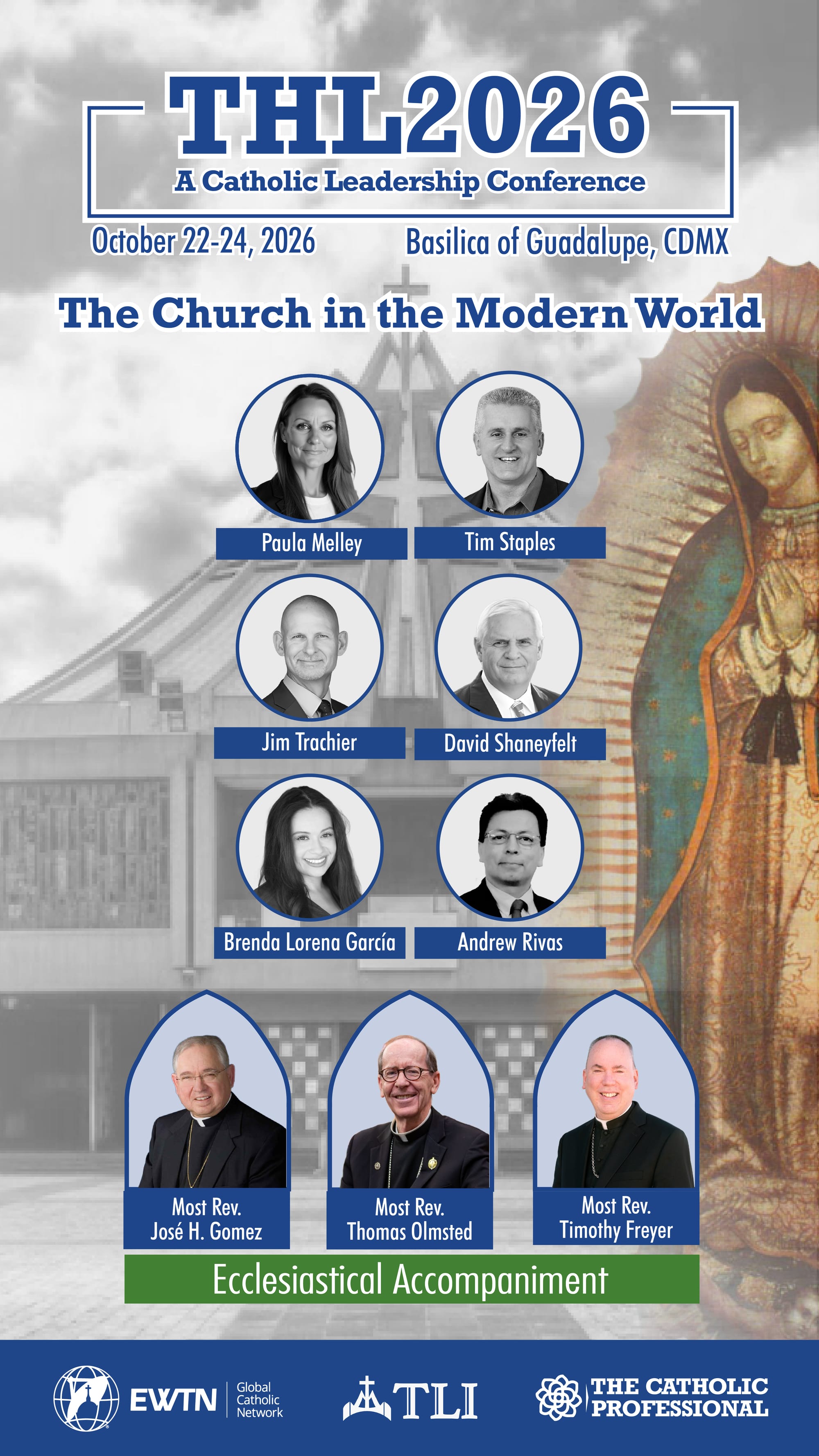
Ad: Discover the place where Our Lady of Guadalupe appeared to St. Juan Diego. See her image. And join Archbishop José Gómez, Bishop Thomas Olmsted and Bishop Timothy Freyer for The Hour of the Laity 2026 in Mexico City.
Prudence vs. Just Saving Face
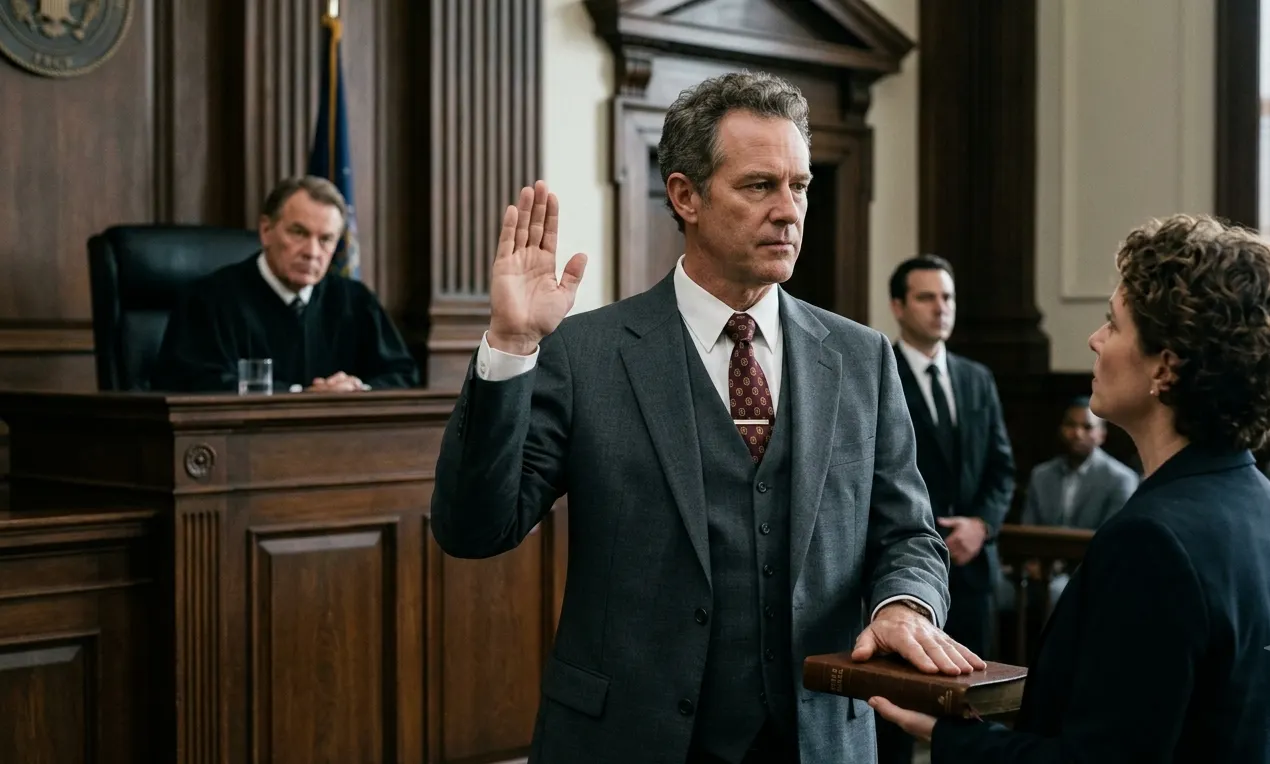
Our faith tradition places a huge emphasis on the virtue of prudence, which is basically wisdom in action. There are plenty of times when keeping quiet is actually the wisest and most responsible thing to do. For instance, staying silent might keep innocent colleagues or family members from getting dragged into a mess. In complicated legal situations, quick answers can easily be taken out of context and twisted. You might also be bound by legitimate non-disclosure agreements, client confidentiality, or professional oaths. In these moments, silence isn't about hiding bad behavior; it's about exercising self-control and wisdom.
The line gets crossed, though, when silence is used as a weapon to dodge accountability, cover up actual wrongdoing, or protect bad decisions. The Catechism reminds us that we are called to be people of truth. While we don't have to blurt out every detail of our lives to everyone who asks, we also shouldn't use silence as a sneaky way to mislead people.
Rebuilding Trust in a Skeptical World
When leaders immediately clam up the moment a crisis hits, public trust takes a serious beating. Most people can intuitively tell the difference between careful, wise restraint and an executive just trying to cover their own back.
As people called to lead in our workplaces and communities, we’re held to a higher standard than just "doing the legal minimum." The law sets the floor for behavior, but our faith sets the ceiling.
Real leadership means being willing to take responsibility when things go wrong. It means owning mistakes, making things right, and being transparent, even when it costs us personally or professionally. In a world that's increasingly cynical about big institutions, the best way we can stand out is by choosing truth and integrity over self-preservation, every single time.
P.S. Join Archbishop José Gómez, Bishop Thomas Olmsted and Bishop Timothy Freyer for The Hour of the Laity 2026 in Mexico City. In the videos bellow you will see what they have to say about THL2026.
Ad: Tepeyac Leadership’s Leadership for the World is a $2 million, three year mission to form lay Catholic leaders for the public square. Without formation, others fill the void. Will you step in or step aside now, when it matters most?