Table of Contents
If you work long enough, you’ll likely find yourself standing before an angry boss at some point, being blamed for something that you either didn’t do, or that wasn’t your fault. Then, it’s decision time. Do you try to defend yourself or just take the abuse and hope it’s over quickly?
In today's fast-paced workplace, our immediate gut reaction to an unfair critique is to get defensive. Pride flares up in an instant, demanding that we clear our name right then and there. We want to set the record straight, protect our reputation, and point out just how wrong the accusation is. But for Catholic professionals trying to live out their faith from nine to five, these sticky moments are actually a chance to grow. They show us whether our peace of mind comes from worldly approval, or from the quiet, rock-solid foundation of Christian virtue.
Pride Versus Meekness in the Office
Pride tells us that an attack on our work is a direct threat to our human dignity. It whispers that staying quiet under an unjust reprimand is a sign of weakness, or a cowardly surrender of our hard-earned standing. But classical virtue ethics and Catholic teaching invite us to look at this through a totally different lens.
Meekness gets a bad reputation in modern culture. People often mistake it for being timid or passive, but it is actually a fruit of temperance. As St. Thomas Aquinas teaches, humility helps us keep our hotheadedness and defensiveness in check. It allows us to respond to unfairness with a clear head and genuine charity. When a boss targets us unfairly, the prideful reaction just turns the office into an ego-driven battleground. On the other hand, meekness gives us the emotional and spiritual balance we need to see things clearly. It frees us from feeling like we have to control every single narrative, rooting our self-worth in who we are as children of God rather than what our latest performance review says.
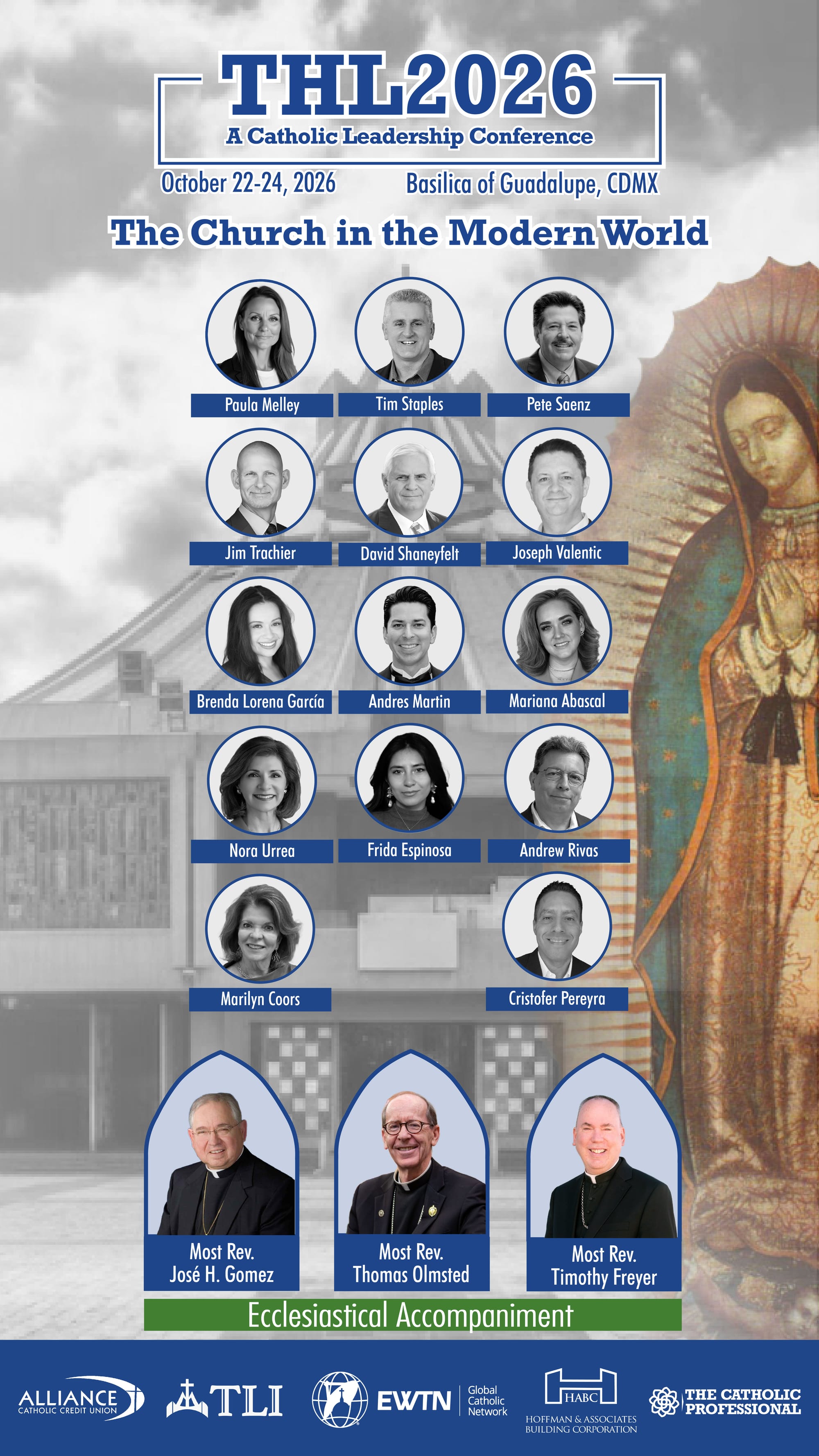
Ad: Discover the place where Our Lady of Guadalupe appeared to St. Juan Diego. See her image. And join Archbishop José Gómez, Bishop Thomas Olmsted and Bishop Timothy Freyer for The Hour of the Laity 2026 in Mexico City.
Christ as Our Example
When we look for a role model for handling unfair blame, we don't have to look any further than the Passion of Christ. Standing before Pilate and the Sanhedrin, falsely accused and condemned, Our Lord mostly stayed silent. He didn't lash out in anger, nor did he cower in fear. He showed incredible strength and radical humility, offering up his suffering for the good of the world.
In our own careers, trying to be like Christ doesn't mean we should let people walk all over us, or that we should never communicate clearly. Instead, it changes how we engage. When we get blamed for something we didn't do, true humility lets us take a breath and figure out if a reply is actually needed for the team, or if we just want to soothe our bruised egos. A calm, straightforward explanation given without bitterness is usually much more powerful than a heated argument. And when patience is the better path, we can carry that weight with a quiet dignity that completely surprises the people around us.
Transforming Leadership from the Ground Up
Practicing humility when things get hot isn't just a personal spiritual practice, it is also a game-changing leadership skill. How we handle our bosses when we are treated unfairly sets the tone for how we will eventually treat the people who report to us.
A leader who has learned to put their ego aside under fire is much less likely to project insecurity or throw their team under the bus when a project goes sideways. They build real trust, foster genuine teamwork, and model the servant leadership we see in the Gospels.
Wrapping It Up
At the end of the day, our professional legacy won't be measured by how many office arguments we won, but by the character we built through daily trials. Unjust criticism hurts, and the urge to defend our pride is always lurking. Yet, by leaning into humility, meekness, and strength, Catholic professionals can turn frustrating moments into opportunities for grace, proving that real power comes from the quiet endurance of the Cross, not prideful self-assertion.
P.S. Join Archbishop José Gómez, Bishop Thomas Olmsted and Bishop Timothy Freyer for The Hour of the Laity 2026 in Mexico City. In the videos bellow you will see what they have to say about THL2026.
Ad: Tepeyac Leadership’s Leadership for the World is a $2 million, three year mission to form lay Catholic leaders for the public square. Without formation, others fill the void. Will you step in or step aside now, when it matters most?