Table of Contents
In the high-stakes environment of modern business, few temptations are as subtle, or as destructive, as the impulse toward professional revenge. It rarely begins with grand, dramatic plots. Instead, workplace retaliation usually manifests in minor, quiet ways: withholding key information from a colleague who publicly criticized your proposal, letting a rival’s project falter through strategic inaction, or passing along a subtly damaging piece of office gossip. In the heat of the moment, these actions feel like a natural balancing of the scales, a restoration of fairness. However, when viewed through the lens of genuine professional excellence and Catholic virtue, giving in to feelings of revenge is not a correction of injustice; it is a rapid forfeiture of spiritual and organizational leadership.
The Erosion of Interior Peace
St. Thomas Aquinas noted that while anger can be a natural reaction to injustice, the desire for personal vengeance quickly turns sinful when it seeks to inflict harm for its own sake rather than to restore order. In a corporate context, harboring a retaliatory spirit demands immense mental bandwidth. When you fixate on getting even with a supervisor or peer, your primary focus shifts away from mission-critical objectives toward score-keeping, and precious energy is wasted rehearsing grievances rather than innovating. Ultimately, your inner peace deteriorates, replaced by anxiety and constant hyper-vigilance. You simply cannot lead effectively or maintain professional clarity when your interior life is tethered to someone else’s missteps.
The Destruction of Organizational Trust
Revenge is inherently secretive and divisive. When workplace retaliation becomes part of an office culture, it creates a toxic climate of fear and self-preservation. Teams cannot innovate or take prudent risks when members fear that mistakes will be weaponized against them later. What begins as a personal dispute between two individuals inevitably spreads across departments, forcing colleagues to take sides and systematically eroding the mutual trust required for high-performing organizations. True leadership requires building environments grounded in psychological safety and authentic accountability, not passive-aggressive reprisal.
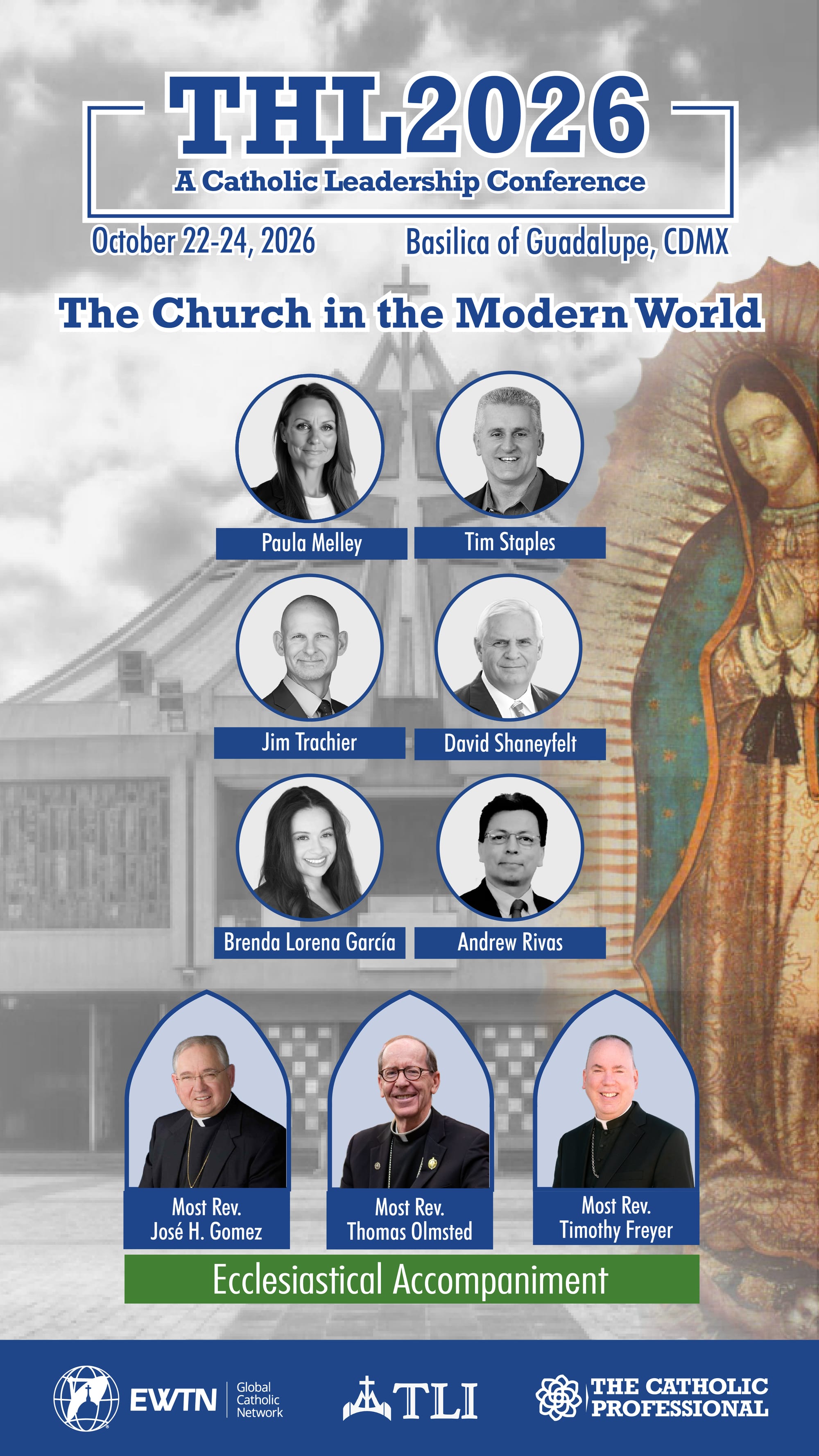
Ad: Discover the place where Our Lady of Guadalupe appeared to St. Juan Diego. See her image. And join Archbishop José Gómez, Bishop Thomas Olmsted and Bishop Timothy Freyer for The Hour of the Laity 2026 in Mexico City.
The Compromise of Your Professional Witness
As Catholic professionals, our daily work is meant to be a primary site of sanctification, an offering through which we participate in God's ongoing creation. St. Josemaría Escrivá famously reminded the lay faithful that our professional work is the anvil upon which our sanctity is forged. When we indulge in workplace revenge, we erase the distinction that Christian character ought to bring to the marketplace, letting our conduct mirror the lowest standards of corporate tribalism. By contrast, responding to unfair treatment with prudence, firm boundaries, and radical charity demonstrates a higher moral compass that commands genuine respect.
This distinction highlights the stark contrast between a retaliatory mindset and a virtuous professional mindset. Where retaliatory thinking is driven by pride, isolates colleagues, and degrades personal peace, a virtuous mindset remains grounded in prudence and long-term mission. Instead of fueling office factions and score-keeping, the professional guided by virtue fosters psychological safety, strengthens team unity, and anchors their interior life in objective truth.
Moving from Retaliation to Redemptive Leadership
Refusing revenge does not mean accepting abuse or ignoring unethical behavior. True justice often requires firm action, such as setting clear boundaries, documenting misconduct, or escalating issues through proper organizational channels. The critical difference lies in the underlying intent: justice seeks correction, truth, and the protection of the community, whereas revenge seeks only to wound.
The next time you experience a workplace slight, take a deliberate pause. Reframe the insult not as an invitation to strike back, but as a test of executive composure and spiritual maturity. By choosing integrity over retaliation, you protect your peace, elevate your workplace culture, and reflect the ultimate purpose of professional leadership.
P.S. Join Archbishop José Gómez, Bishop Thomas Olmsted and Bishop Timothy Freyer for The Hour of the Laity 2026 in Mexico City. In the videos bellow you will see what they have to say about THL2026.
Ad: Tepeyac Leadership’s Leadership for the World is a $2 million, three year mission to form lay Catholic leaders for the public square. Without formation, others fill the void. Will you step in or step aside now, when it matters most?