
Table of Contents
In corporate governance, few concepts carry as much weight as fiduciary duty. Executives and board members spend countless hours analyzing risk metrics, legal compliance, and quarterly returns to ensure they fulfill their primary obligation: maximizing value for shareholders.
Yet, when business relationships are reduced to balance sheets and contractual transactions, workplace culture quickly deteriorates. Employees become line items on an expense sheet, vendors are squeezed for every margin, and clients are treated merely as sources of revenue.
For Christian leaders, St. Paul offers a gentle yet radical counter-framework in his letter to the Romans:
"Owe no one anything, except to love one another; for he who loves his neighbor has fulfilled the law." — Romans 13:8
This passage presents a beautiful shift in how we view our daily leadership responsibilities. In the Kingdom of God, our primary, perpetual debt isn't financial, it's relational. St. Paul reminds us that love is never just a passive emotion, but the warm, steady heartbeat of all moral law. When brought into executive management, this biblical principle redefines servant leadership from a cold corporate trend into a genuine, living expression of professional care.
Moving Beyond Transactional Leadership
Transactional leadership relies on a plain exchange model: I give you a paycheck, you give me labor. While fair compensation is essential, treating employees strictly as transactional assets breeds cynicism, quiet burnout, and disengagement.
When St. Paul writes that love "does no evil to the neighbor," he sets a high yet deeply human bar for decision-making. In a professional setting, loving your neighbor, whether that means your immediate team, your clients, or your suppliers, simply means actively caring for their well-being and desiring their good.
Leading with this mindset breathes fresh life into everyday workplace dynamics across every level of operation. In employee relations, it gently shifts management away from micromanagement and fear-based metrics, making room for true empowerment, thoughtful mentorship, and genuine respect for work-life integration. In client management, it favors long-term trust, open communication, and real value over quick sales tactics or hidden fees. Likewise, in supplier partnerships, it replaces predatory negotiations with fair pricing, prompt payments, and meaningful mutual respect.
The Executive ROI of Genuine Stewardship
It can be easy to worry that prioritizing heart over pure profit might hold a business back. Yet time and again, experience shows us the exact opposite. Organizations built on trust, empathy, and humble servant leadership routinely outperform their peers in staff retention, creative innovation, and long-term stability.
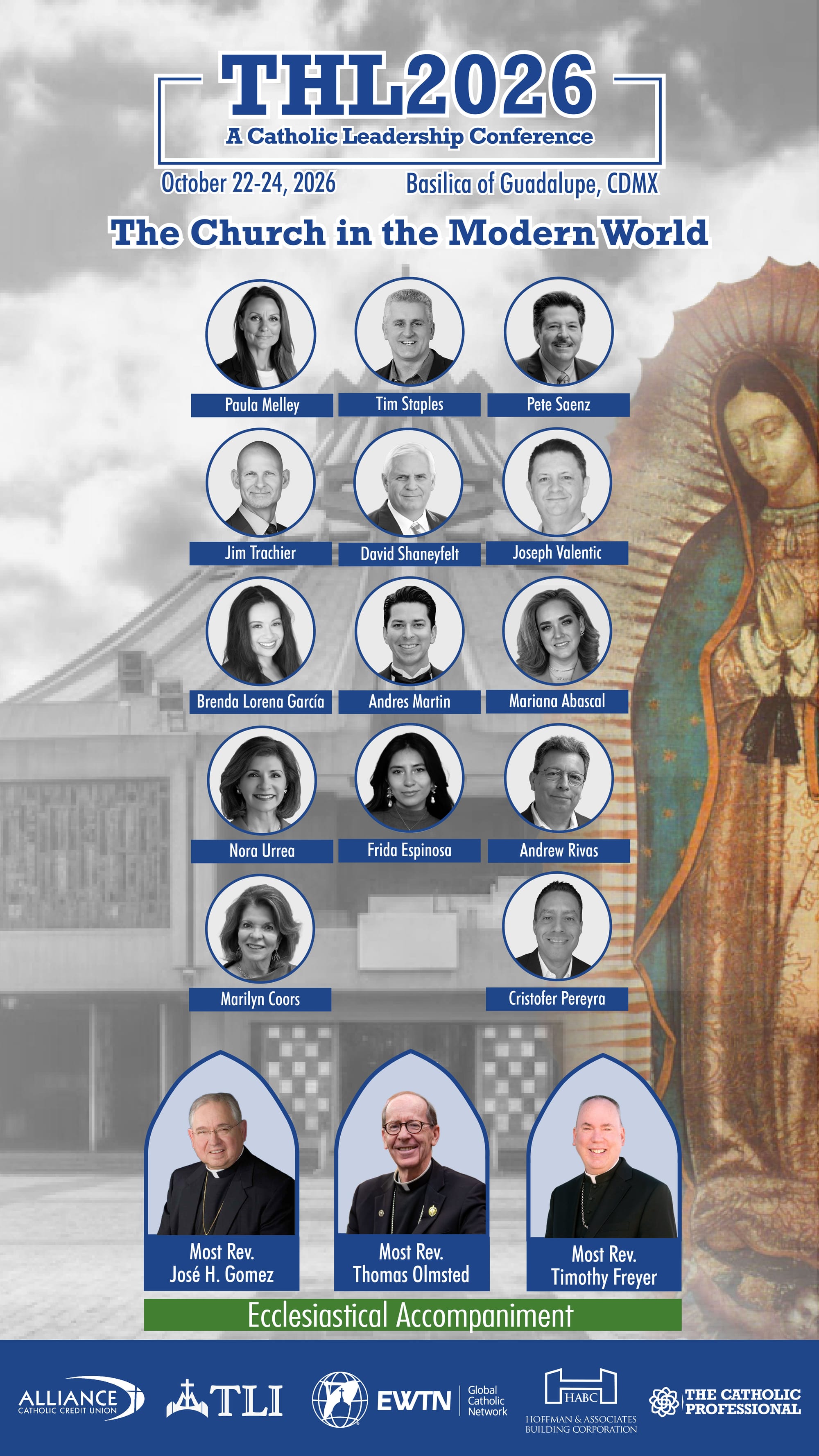
Ad: Discover the place where Our Lady of Guadalupe appeared to St. Juan Diego. See her image. And join Archbishop José Gómez, Bishop Thomas Olmsted and Bishop Timothy Freyer for The Hour of the Laity 2026 in Mexico City.
When team members feel that their leaders sincerely care about them as human beings, trust flourishes. People feel safe enough to speak up, admit mistakes early without fear, collaborate freely across departments, and bring their best ideas to the table.
By viewing our everyday professional relationships through the encouraging lens of Romans 13, leaders end up fulfilling their organizational duties far more naturally. A company that honors its workers with dignity, keeps its promises to vendors, and serves its clients with real heart creates a resilient, joy-filled culture that naturally protects long-term value.
Fulfilling the Higher Law in Daily Operations
Leading with Christian charity in a fast-paced business environment is a conscious, quiet daily practice. It means pausing before a key meeting or strategic decision to ask ourselves: Does this choice truly respect and support the dignity of the people it touches?
As Catholic professionals, our purpose extends well beyond annual performance reviews or board meetings. We have the privilege of showing that true professional excellence and genuine Christian kindness aren't opposites, they naturally belong together.
By trading cold transactional leadership for a heart of service, we fulfill the law of Christ and nurture workplaces where both people and purpose can truly flourish.
P.S. Join Archbishop José Gómez, Bishop Thomas Olmsted and Bishop Timothy Freyer for The Hour of the Laity 2026 in Mexico City. In the videos bellow you will see what they have to say about THL2026.
Ad: Tepeyac Leadership’s Leadership for the World is a $2 million, three year mission to form lay Catholic leaders for the public square. Without formation, others fill the void. Will you step in or step aside now, when it matters most?